How to Prune Slender wild basil?
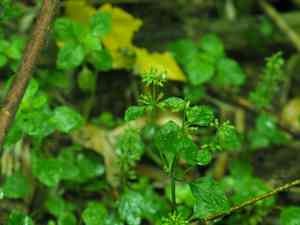
A aromatic perennial herb, slender wild basil thrives with consistent trimming to foster denser foliage and abundant blossoms. Cut back after blooming in late spring or early summer, eliminating faded flowers and sculpting the plant. Gentle, targeted snips prevent excessive density and enhance air movement, serving as a safeguard against ailments. Limit pruning to no more than one-third of the plant to avert strain, guaranteeing robust regeneration and a durably thriving example.
What Are the Benefits of Pruning Slender Wild Basil?
What Are the Benefits of Pruning Slender Wild Basil?
Trimming slender wild basil promotes more robust development by reallocating energy towards fresh growth. Strategic cuts help maintain an appealing form and enhance the plant's overall health and vigor.
What Is the Best Time for Pruning Slender Wild Basil?
What Is the Best Time for Pruning Slender Wild Basil?
Pruning slender wild basil in Spring is optimal as it coincides with the start of the plant's active growth period. This timing allows slender wild basil to recover quickly and channel energy into new growth, maintaining a healthy, vibrant look. Early Summer is also suitable, particularly after the initial bloom fades, to encourage a second flowering and to shape the plant as it continues to grow. It's crucial to avoid pruning slender wild basil in late fall or winter, as this can leave the plant susceptible to cold weather damage.
What Tools Do I Need to Prune Slender Wild Basil?
Bypass Pruners
For accurate cuts and minimal harm to the delicate stems of slender wild basil, bypass pruners are the recommended choice. They function like scissors, providing a clean cut that encourages healthy regrowth.
Pruning Scissors
These are perfect for snipping softer, non-woody stems of slender wild basil. Their smaller size offers greater control for thinning and shaping the plant without causing undue damage.
Gardening Gloves
While not a cutting tool, gloves are vital for protecting your hands during pruning. This is especially important when handling slender wild basil to prevent direct contact with the plant's oils, which can sometimes cause irritation.
Cleaning Alcohol or Disinfectant
Before and after pruning slender wild basil, tools should be disinfected to prevent disease transmission. Sanitizing tools is important for maintaining plant health and hygiene.
How to Prune Slender Wild Basil
Inspect
Carefully examine slender wild basil's entire structure to identify diseased leaves, withered leaves, and diseased stems that need removal.
Disinfect
Before pruning slender wild basil, thoroughly sanitize all pruning tools with alcohol or a bleach solution to prevent disease spread.
Remove diseased leaves
Carefully trim off any diseased leaves from slender wild basil by cutting at the base of the leaf stem using sharp, disinfected scissors or pruners.
Remove withered leaves
Snip away withered leaves from slender wild basil at their point of attachment, ensuring clean cuts to promote healthy regrowth without unnecessary stress.
Remove diseased stems
Cut diseased stems on slender wild basil back to healthy tissue, ensuring the cut is made just above a leaf node or bud to encourage new growth.
Common Pruning Mistakes with Slender Wild Basil
Overzealous cutting
Removing too much foliage at once can stress slender wild basil, leading to poor growth or even plant death. It's important to prune no more than one-third of the plant at any given time.
Improper tool use
Using dull or dirty pruning shears can damage the stems of slender wild basil, leaving them vulnerable to pests and diseases. Always use clean, sharp tools.
Neglect of crossing branches
Failure to remove crossing or rubbing branches can result in wounds and subsequent infections. Such branches should be targeted for pruning to maintain plant health.
Ignoring dead or diseased stems
Leaving dead or diseased stems on slender wild basil can hinder new growth and spread disease. These should be pruned away promptly.
Cutting too close
Cutting branches too close to the main stem can damage the parent tissue. Leave a small stub to avoid harming slender wild basil.
Cutting too far
Leaving too long a stub when trimming stems can lead to dieback and disease entry. Cut just above a set of leaves or node.
Common Pruning Tips for Slender Wild Basil
Selective pruning
Encourage bushier growth and more flowers by selectively pruning leggy stems just above a leaf node or lateral branch. This technique prompts slender wild basil to produce new growth from the cut points.
Seasonal pruning awareness
Slender wild basil responds well to pruning that aligns with its growth cycle. Although seasonal timing is excluded, understanding its lifecycle aids in proper pruning without specifying when to prune within the year.
Hygiene practice
Prevent the spread of disease by sterilizing pruning tools before and after use with a solution of bleach or alcohol. This is especially crucial when moving between plants.
Gradual rejuvenation
For older slender wild basil plants, spread out heavy pruning over a couple of seasons to rejuvenate the plant without causing excessive stress.
Conservative cutting
For a resilient slender wild basil, prune conservatively, especially if the plant is not overgrown. It's easier to cut more later than to deal with over-pruning.
Aftercare consideration
After pruning slender wild basil, ensure that the plant has adequate water and is not in need of fertilization to support recovery and new growth.



