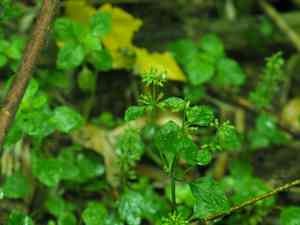
Slender wild basil (Clinopodium gracile)
Also known as: Japanese Calamint, Japanese Mint
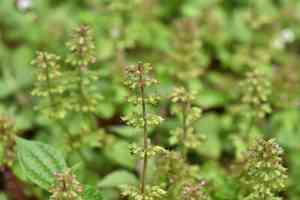
The leaf blades are oval-shaped, measuring between 1 to 3 cm in length and 8 to 20 mm in width. They have rounded bases and lack sharp tips. The leaves are almost hairless and feature 5-6 blunt serrations along each edge.
In This Article
Attributes of Slender wild basil
Lifespan
Perennial
Plant Type
Herb
Plant Height
8 cm to 30 cm
Spread
20-30 cm
Leaf Color
Green
Flower Size
5 mm
Flower Color
Pink Purple
Images of Slender wild basil
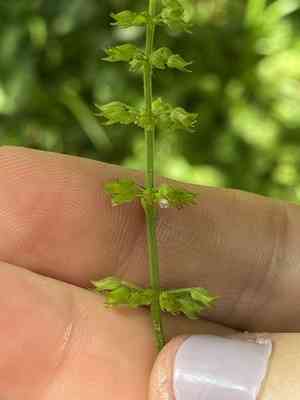
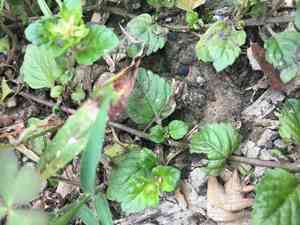
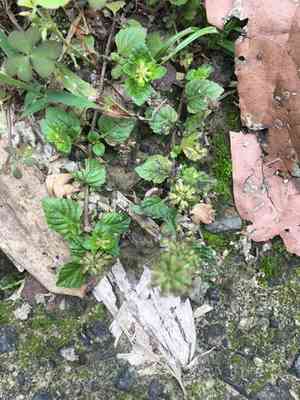
Quickly Identify Slender wild basil
1
To identify Clinopodium gracile, look for its square stems typical of mint family members, lanceolate leaves with a minty aroma when crushed, and clusters of small, two-lipped flowers that are usually pink to purple in color.
Scientific Classification of Slender wild basil
Phylum
Vascular plants
Class
Dicotyledons
Order
Lamiales
Family
Mint
Genus
Clinopodium
Species
Slender wild basil
Planting and Growing of Slender wild basil
Care Difficulty
Easy
Watering Schedule
Every 8 days
Sunlight Requirements
Partial sun
Sunshine Duration
4-6 hours
Ideal Temperature
60-75℉
Soil Type
Potting Mix, Peat Mix
Soil pH
6-7.5
Fertilizer Type
Balanced
Pruning Season
Spring, Summer
Pruning Area
Branches, Leaves
Pruning Frequency
2 times a year
Repotting Season
Spring
Pot Type
Plastic, Ceramic
 How to Water Slender wild basil?
Clinopodium gracile prefers its soil to be consistently moist but not waterlogged. Following the principle of 'deep but infrequent' watering, ensure the soil is soaked until the water drains out from the bottom. This encourages the roots to grow deeper and stronger.
What are the symptoms of an underwatered Slender wild basil?
›
What should I do if my Slender wild basil is not getting enough water?
›
What are the symptoms of an overwatered Slender wild basil?
›
How to save an overwatered Slender wild basil?
›
 What Are the Sunlight Requirements for Slender wild basil?
Partial sun exposure is ideal, providing Clinopodium gracile with balanced energy levels. This ensures robust growth, lush foliage, and encourages stronger flowering cycles, all critical for a healthy lifecycle.
More About Sunlight Requirements Techniques→
How much sunlight does Clinopodium gracile need daily?
›
How can you ensure Clinopodium gracile gets ideal sunlight exposure?
›
What benefits does ideal sunlight bring to Clinopodium gracile?
›
 What Is the Ideal Temperature Range for Slender wild basil?
The ideal temperature range for Clinopodium gracile is between 60°F and 75°F. This range ensures optimal growth by promoting an ideal metabolic rate, maintaining adequate moisture levels, and reducing stress from extreme temperature variations. Staying within this range can enhance blooming and health of the plant.
 What Soil is Best for Slender wild basil?
Clinopodium gracile thrives in soil with good drainage. Proper drainage prevents root rot and promotes healthy root systems, helping the plant grow vigorously. This plant prefers soil with moderate fertility, which ensures it receives enough nutrients without excess that could lead to over-fertilization issues. Soil should be well-aerated to promote healthy root growth and oxygen exchange. This is crucial for the plant's physiological processes and nutrient uptake.
 How to Fertilize Slender wild basil?
For Clinopodium gracile, use a balanced 10-10-10 liquid fertilizer at a diluted concentration. Mix one tablespoon of fertilizer per gallon of water. Be mindful to avoid pouring too close to the roots to prevent damage.
 How to Prune Slender wild basil?
Begin by identifying dead or discolored branches and remove them close to the main stem. Trim back any leggy growth to just above a leaf node to encourage a fuller shape. Always cut at a 45-degree angle to promote new growth and minimize water retention on the cut surface. Prune during the late spring or early summer when the plant is actively growing. Avoid pruning during peak blooming times to not hinder flower development. Adjust your pruning routine based on your regional climate to accommodate unexpected growth patterns.
More About Pruning Techniques→
 How to Propagate Slender wild basil plant?
1
Begin by selecting healthy seeds and soaking them in water for 24 hours to encourage germination. This step softens the seed coat and increases the chances of successful propagation.
2
Select a healthy branch and cut a 4-6 inch section using clean pruning shears. Remove the lower leaves and dip the cut end in rooting hormone to stimulate root development.
3
For division propagation, gently dig around the plant and carefully separate the root ball into smaller sections, ensuring each division has ample roots and shoots for successful growth.
 How to Repot Slender wild basil plant?
1
Repot Clinopodium gracile when you observe its roots poking out from the drainage holes or spiraling at the surface soil. Another indicator is when the plant's growth appears stunted despite regular care. These signs suggest the plant has outgrown its current pot and needs more space.
2
Select a pot that is just one size larger than the current one. It should have ample drainage holes to prevent waterlogging, which can lead to root rot. A slightly bigger pot will facilitate healthy root growth without overwhelming the plant with excess soil that retains moisture.
3
Opt for a well-draining sandy loam that supports healthy root development while allowing excess water to flow through. This type of soil also retains sufficient moisture and nutrients, ensuring optimal growth conditions for Clinopodium gracile.
Learn More About Slender wild basil Diseases
Anthracnose
Bacterial Leaf Spot
Bacterial Soft Rot
Bacterial Wilt
Chemical Injury
Damping-off
Downy Mildew
Drought Stress
Fusarium Wilt
Gray Mold
Leaf Curl
Leaf Spot
Mosaic
Nutrient Deficiency
Nutrient Toxicity
Powdery Mildew
Root Rot
Root-knot Nematode
Rusts
Sooty Mold
Spider Mites
Temperature Stress
Thrips Damage
White Mold



