How to Transplant Ropevine clematis?
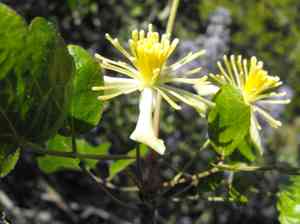
Ropevine clematis flourishes when relocated between early and late spring or from mid to late autumn, benefiting from temperate conditions. Select a site offering partial to full sunlight and soil that drains effectively for peak development.
What Preparations are Needed Before Transplanting Ropevine Clematis?
What is the Ideal Time for Transplanting Ropevine Clematis?
For ropevine clematis, the best time for relocation is from early to late spring, or from mid to late autumn. These periods offer mild temperatures and consistent moisture, which reduce transplant stress and aid root establishment. Avoid moving during extreme weather for better survival and growth.
How Much Space Should You Leave Between Ropevine Clematis Plants?
When relocating ropevine clematis, ensure a spacing of 24-36 inches (60-90 cm) between them. This provides ample room for proper growth and development, preventing crowding and promoting good air circulation.
What is the Best Soil Mix for Ropevine Clematis Transplanting?
For ropevine clematis, prepare well-draining soil with a neutral to slightly alkaline pH (6.5-7.5). Incorporate compost or a balanced base fertilizer before planting to enrich the soil with vital nutrients. Loamy soil types are most suitable for robust growth.
Where Should You Relocate Your Ropevine Clematis?
Select a sunny spot for transplanting ropevine clematis where they can receive at least 6 hours of direct sunlight daily. If possible, choose a location that offers some afternoon shade to shield them from excessive heat.
What Equipments Should You Prepare Before Transplantation Ropevine Clematis?
Gardening Gloves
To safeguard your hands while handling soil and plants.
Shovel or Spade
To excavate around and lift the plant with its root ball undisturbed.
Watering Can
To hydrate the plant before and after its relocation.
Pruning Shears
To trim any damaged or excessively long roots or stems.
Trowel
For digging smaller holes or making soil adjustments.
Measuring Tape
To ensure correct spacing between individual plants.
Stakes and Twine
To offer support for the plant to help it remain upright.
How Do You Remove Ropevine Clematis from the Soil?
How Do You Remove Ropevine Clematis from the Soil?
From Ground: First, moisten the ropevine clematis's soil. Then, dig a wide trench around the plant using a shovel or spade, ensuring the plant's root ball stays intact. Carefully work the spade beneath the root ball to lift the plant from its original spot.From Pot: Water the ropevine clematis thoroughly, then gently extract the plant by tilting the pot on its side and sliding the plant out while supporting its base. If the plant is root-bound, carefully separate the roots before transplanting.From Seedling Tray: Water the seedlings in the tray. Use a trowel or your fingers to carefully lift each seedling from the tray, ensuring you preserve as much of the root system as possible. Handle the seedlings by their leaves to avoid stem damage.
Step-by-Step Guide for Transplanting Ropevine Clematis
Prepare the New Site
Gather all necessary tools and ensure the new location is properly prepared with appropriate soil amendments. Then, dig a hole in the new spot that is twice as wide and equally deep as the plant's root ball.
Remove the Plant
Using the method outlined in the removal process section, carefully extract the ropevine clematis from its initial location.
Place the Plant in New Hole
Position the ropevine clematis into the prepared hole, making sure the top of the root ball is level with the surrounding soil. Gently backfill the hole with soil and press it down to eliminate air pockets.
Water Thoroughly
Use a watering can to provide the ropevine clematis with a complete watering to help the soil settle around its roots.
Add Support
If necessary, place stakes around the plant and secure them with twine to support the ropevine clematis as it establishes in its new location.
How Do You Care For Ropevine Clematis After Transplanting?
Watering
Keep the soil around the ropevine clematis consistently damp, but not waterlogged, for the initial weeks after transplanting to aid in developing strong roots.
Mulching
Apply a layer of mulch around the base of the ropevine clematis to help retain moisture and regulate soil temperature.
Monitoring
Observe the ropevine clematis closely for the first few weeks, checking for any indications of stress or transplant shock, such as wilting or yellowing leaves. Address any issues promptly.
Pruning
Trim any damaged or excessively long roots or stems to encourage healthy growth and minimize transplant shock.
Troubleshooting Common Issues with Ropevine Clematis Transplantation.
When is the best time to transplant ropevine clematis?
Relocate ropevine clematis from early spring to late spring or mid-fall to late fall for optimal results.
How much space should be between each ropevine clematis?
Ensure 24-36 inches (60-90 cm) of distance between each ropevine clematis for ideal growth.
What should I do if ropevine clematis looks wilted after transplanting?
Water thoroughly and provide shade for a few days to help ropevine clematis recover from transplant shock.
How deep should I plant ropevine clematis's root ball?
Plant ropevine clematis's root ball at the same depth as it was in its previous spot.
What type of soil is best for ropevine clematis?
Well-draining soil enriched with organic matter is perfect for robust ropevine clematis growth.
How often should I water ropevine clematis after transplanting?
Water ropevine clematis deeply once a week, ensuring the soil stays moist but not saturated.
Should I fertilize ropevine clematis immediately after transplanting?
Avoid fertilizing ropevine clematis right away; wait a few weeks for the plant to establish itself first.
Can I transplant ropevine clematis in full sun?
Ropevine clematis prefers partial to full sun, but shield it from intense, direct sunlight initially after transplanting.
How do I prepare ropevine clematis before transplanting?
Water ropevine clematis thoroughly the day before to facilitate the transplanting process and reduce stress.
What can I do to prevent root damage when transplanting ropevine clematis?
Gently remove ropevine clematis from the soil, keeping as much of the root system intact as possible.



