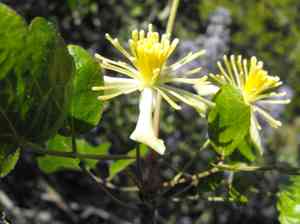
Ropevine clematis (Clematis pauciflora)
Also known as: Few-flowered clematis
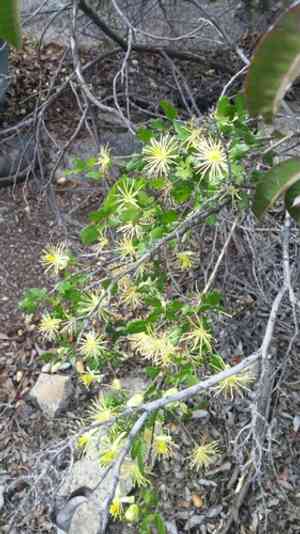
Ropevine clematis is a climbing plant recognized for its understated beauty, featuring sparse yet eye-catching flowers. These small blooms appear sporadically, adding to the plant's charm. Its slender stems twine around supports, making it adaptable to different landscapes. The lush foliage enhances the visual appeal of the delicate flowers. For optimal growth, ropevine clematis prefers well-drained soil rich in organic matter, which helps retain moisture without becoming too wet. This versatile vine is a lovely addition to gardens, where it brings a touch of elegance.
In This Article
Attributes of Ropevine clematis
Lifespan
Perennial
Plant Type
Vine, Herb
Plant Height
Up to 3 meters (10 feet)
Spread
Varies depending on support structure
Leaf Color
Green
Flower Size
Approximately 2-3 cm
Flower Color
Pale white or yellow
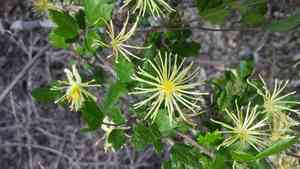
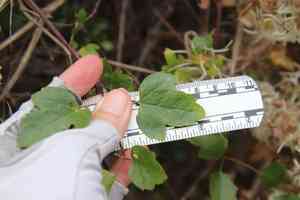
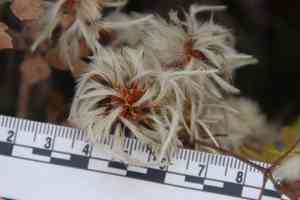
Images of Ropevine clematis
Quickly Identify Ropevine clematis
1
Clematis pauciflora can be identified by its sparse flowering nature, with small, pale flowers that bloom in clusters. The plant is a climber, often found entwining around supports.
Scientific Classification of Ropevine clematis
Phylum
Vascular plants
Class
Dicotyledons
Order
Ranunculales
Family
Buttercup
Genus
Clematis
Species
Ropevine clematis
Planting and Growing of Ropevine clematis
Care Difficulty
Moderate
Watering Schedule
Every 2 days
Sunlight Requirements
Partial sun
Sunshine Duration
6-10 hours
Ideal Temperature
60-75℉
Soil Type
Potting Mix, Peat Mix
Soil pH
6.5-7.5
Fertilizer Type
Balanced
Pruning Season
Spring, Summer
Pruning Area
Branches, Leaves
Pruning Frequency
2 times a year
Repotting Season
Spring
Pot Type
Plastic, Ceramic
 How to Water Ropevine clematis?
Clematis pauciflora prefers consistent moisture but avoid oversaturating the soil. A deep watering of approximately 500 milliliters each time is optimal. Water until the soil is evenly moist but not waterlogged, ensuring excess water drains away to prevent root rot.
What are the symptoms of an underwatered Ropevine clematis?
›
What should I do if my Ropevine clematis is not getting enough water?
›
What are the symptoms of an overwatered Ropevine clematis?
›
How to save an overwatered Ropevine clematis?
›
 What Are the Sunlight Requirements for Ropevine clematis?
Partial sun exposure aids in vibrant growth and abundant flowering, ensuring that Clematis pauciflora receives a balanced amount of needed light while avoiding stress.
Optimal Light Duration
›
Position for Optimal Growth
›
Protection from Harsh Sun
›
 What Is the Ideal Temperature Range for Ropevine clematis?
Clematis pauciflora thrives best when maintained at temperatures ranging from 60°F to 75°F. This range ensures optimal metabolic functioning and growth, promoting lush foliage and vibrant blooms. Deviation from this range might compromise its growth, making it more susceptible to diseases. Maintaining consistent temperatures within this ideal range can lead to healthier and more robust plant development.
 What Soil is Best for Ropevine clematis?
Clematis pauciflora thrives in well-drained soil, which prevents root rot by allowing excess water to escape. This characteristic enables the plant to grow robustly while minimizing the risks of fungal diseases. The plant prefers slightly alkaline soils with a pH ranging from 6.5 to 7.5. Such pH levels ensure optimal nutrient availability, promoting vibrant blooms and healthy foliage. Soils rich in organic matter are ideal as they enhance fertility and improve soil structure. This supports the root development and overall vigor of Clematis pauciflora, leading to a lush and flourishing plant.
 How to Fertilize Ropevine clematis?
Clematis pauciflora thrives with a balanced fertilizer approach, using approximately 1/4 to 1/2 strength liquid fertilizer every two weeks during the growing season to support its vibrant blooms and lush foliage.
 How to Prune Ropevine clematis?
Start by trimming away any dead, damaged, or diseased stems. This not only tidies the plant but also redirects energy to healthier branches, fostering new growth. Focus on thinning out areas where stems are overcrowded. This allows light and air to penetrate the plant, reducing the risk of fungal infections and promoting strong growth. Prune lightly after flowering to stimulate growth for the next season. Cut back about one-third of the plant to encourage more blooms in the next cycle.
 How to Propagate Ropevine clematis plant?
1
Choose a healthy stem from the clematis, about 3 to 6 inches long. Ensure the stem is free from disease, pests, and is robust enough to support rooting.
2
Trim the stem just below a node and remove any leaves from the lower part. Dip the cut end in rooting hormone to encourage root development.
3
Insert the treated cutting into a pot filled with a well-draining potting mix. Ensure it is stable and upright, then water it lightly to maintain moisture.
 How to Repot Ropevine clematis plant?
1
Repotting for Clematis pauciflora is best indicated by visible roots emerging from the drainage holes or just becoming less vigorous in its growth phase. New growth in spring is an excellent sign that it's time for fresh soil and a slightly larger pot.
2
The ideal pot should be one size larger than the current one and have excellent drainage to prevent waterlogging. A terracotta pot is beneficial as it allows the soil to breathe, providing healthier root conditions for Clematis pauciflora.
3
Opt for a well-drained potting mix enriched with organic matter. This soil type ensures that moisture is retained while excess water is efficiently drained, preventing root rot and fostering lush growth of Clematis pauciflora.
Toxicity
ingestion
WARNING
The judgment on toxicity and danger is for reference only. We DO NOT GUARANTEE any accuracy of such judgment. Therefore, you SHALL NOT rely on such judgment. It is IMPORTANT TO SEEK PROFESSIONAL ADVICE in advance when necessary.
Learn More About Ropevine clematis Diseases
Anthracnose
Bacterial Leaf Spot
Bacterial Soft Rot
Bacterial Wilt
Black Spot
Chemical Injury
Crown Gall
Damping-off
Downy Mildew
Drought Stress
Fusarium Wilt
Gray Mold
Leaf Curl
Leaf Spot
Mosaic
Nutrient Deficiency
Nutrient Toxicity
Powdery Mildew
Root Rot
Root-knot Nematode
Rusts
Sooty Mold
Spider Mites
Temperature Stress
Thrips Damage
White Mold



