How to Propagate Ropevine clematis?
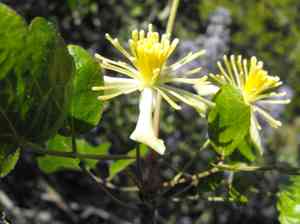
Clematis aethusifolia is a perennial vine recognized for its abundant blooms and appealing leaves. For propagation, collect semi-lignified cuttings in the latter part of summer or early fall. Utilize a growing substrate that drains effectively and sustain uniform dampness. Offer diffused illumination and uphold a steady temperature for ideal root formation. After rooting, transfer to a more spacious pot or directly into the landscape. Consistent observation guarantees robust development.
When Is the Optimal Time to Propagate Ropevine Clematis?
Propagation Type
Cutting
Propagation Season
Spring,Summer
What Equipment Is Utilized in Ropevine Clematis Propagation?
Pruning Shears
Pruning shears are crucial for obtaining clean, precise cuttings from ropevine clematis. Their sharp blades facilitate uniform cuts, minimizing harm to the parent plant and boosting the likelihood of successful rooting. Sterilize them to prevent disease spread.
Rooting Hormone Powder
Applying rooting hormone to cuttings stimulates root development and enhances the chances of successful propagation. The powder form is easily dusted onto ropevine clematis stem cuttings prior to planting.
Propagation Tray with Humidity Dome
Propagation trays with humidity domes establish a controlled environment for cuttings. They maintain high humidity levels, which are essential for ropevine clematis cuttings to remain hydrated and reduce wilting during the rooting process.
Sterile Growing Medium
Utilizing a sterile growing medium, such as a peat and perlite blend, offers a clean and aerated environment for roots to develop. It minimizes infection risks and ensures proper drainage for ropevine clematis.
Spray Bottle
A spray bottle is useful for regularly misting the cuttings. This helps maintain moisture levels around ropevine clematis cuttings without waterlogging the soil, promoting healthy growth.
Heat Mat
A heat mat positioned beneath the propagation tray can provide bottom heat to encourage root development. For ropevine clematis, maintaining a consistent, warm soil temperature is vital for successful rooting.
Labels and Markers
Labels and waterproof markers are important for tracking different cuttings and their planting dates. This aids in monitoring progress and understanding the success rates of ropevine clematis propagation.
How to Propagate Ropevine Clematis?
Propagation Type
Moderately Difficult
How to Care for Your Newly Propagated Ropevine Clematis?
How to Care for Your Newly Propagated Ropevine Clematis?
Provide adequate water to keep the soil consistently moist but well-drained. Ensure exposure to bright, indirect illumination. Support its climbing habit by offering a trellis or another structure. Regularly check for pests and diseases, and apply a balanced fertilizer monthly during the growing season.
Common Errors to Avoid When Propagating Ropevine Clematis
Overwatering
Excessive watering can lead to root rot, as ropevine clematis prefers well-drained soil.
Incorrect Soil Composition
Using dense or clay-rich soil can impede root development, preventing successful propagation.
Inadequate Light
Providing insufficient light can hinder growth and reduce the energy required for root formation.
Improper Cutting Technique
Incorrectly cutting the stems can damage plant tissue and impede its ability to develop roots.
Neglecting Pest Control
Failing to monitor for pests can result in infestations that severely harm young plants or cuttings.
Tips For Propagating Ropevine Clematis
Use Well-Draining Soil
Ensure the use of soil that provides good drainage to prevent waterlogging and root rot.
Provide Adequate Light
Place the cuttings or new plants in an area with ample indirect sunlight to encourage growth.
Cut with Care
Make clean, precise cuts with sterilized tools to prevent plant damage and ensure healthy root development.
Monitor Moisture Levels
Keep the soil moderately moist but not saturated to balance hydration without causing root problems.
Check for Pests Regularly
Regularly inspect plants for pests and take immediate action if any are found to protect the health of the propagating plants.



