How to Transplant Western Blue Virginsbower?
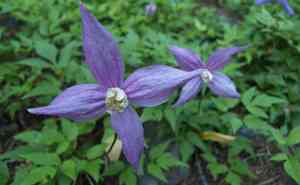
For western Blue Virginsbower, the arrival of warmer weather in late spring provides an ideal period for relocation, guaranteeing reduced shock and superior root development. Select a location featuring filtered light and soil that drains effectively, replicating its native forest environment.
Essential Preparations Before Relocating Western Blue Virginsbower
Optimal Timing for Western Blue Virginsbower Relocation?
The best period to move western Blue Virginsbower is from early to mid-spring. This timing allows roots to establish before summer's heat. Transplanting western Blue Virginsbower then capitalizes on mild temperatures and moist soil, fostering robust root growth and reducing transplant shock. Utilizing spring's vigor for western Blue Virginsbower ensures a strong start, promising abundant growth in subsequent seasons.
Recommended Spacing Between Western Blue Virginsbower Plants?
When transplanting western Blue Virginsbower, select a site where you can position them approximately 3-6 feet (about 1-2 meters) apart. This provides ample room for their development and flourishing. Rest assured, they are communal plants and will not mind the distance!
Ideal Soil Mixture for Western Blue Virginsbower Transplanting?
Your western Blue Virginsbower will flourish in any well-draining soil! Incorporate some well-decomposed manure or compost into the base of the hole prior to planting. This acts as a nourishing meal, aiding their rapid establishment in their new home!
Choosing a New Location for Your Western Blue Virginsbower?
When selecting a new spot for your western Blue Virginsbower, opt for an area that receives partial to full sunlight. They enjoy soaking up the sun but also appreciate some shade during the hottest part of the day. Choose wisely!
Tools Required Before Transplanting Western Blue Virginsbower?
Gardening Gloves
To safeguard your hands while handling soil and the plant.
Shovel or Spade
For excavating the western Blue Virginsbower from its initial spot or digging the new hole.
Gardening Knife or Pruning Shears
To trim any damaged roots or divide the plant if necessary.
Garden Trowel
For more precise digging during the planting process.
Watering Can
To hydrate the western Blue Virginsbower both before and after its relocation.
Planting Stakes and Tie Tape
To offer extra support to the western Blue Virginsbower as it matures.
Method for Extracting Western Blue Virginsbower from the Ground?
Method for Extracting Western Blue Virginsbower from the Ground?
From Ground: First, water the western Blue Virginsbower to moisten its roots, making removal easier. Use your shovel to dig a wide circle around the plant, ensuring the root ball remains intact. Once the soil is loose, carefully work the spade beneath the root ball to sever roots and lift the plant. Be patient and avoid forcing the plant to prevent damage.From Pot: To remove western Blue Virginsbower from a pot, water it first. Then, place your hand on the soil surface with the plant stem between your fingers. Invert the pot and tap it once or twice to loosen the plant. Gently hold the plant by its base and slide it out. If the plant resists, tap a bit harder, but always maintain patience to avoid harm.From Seedling Tray: If western Blue Virginsbower is growing in a seedling tray, begin by watering the tray to lessen root shock during extraction. Carefully loosen the soil around each plant using a small tool like a fork or popsicle stick. Once loose, gently lift the western Blue Virginsbower from its cell, ensuring you grasp it by the leaf, not the stem.
Detailed Procedure for Transplanting Western Blue Virginsbower
Hole Preparation
Dig a hole that is at least twice the size of the western Blue Virginsbower's root ball. Then, enrich the bottom of the hole with some compost or aged manure.
Plant Placement
Position the western Blue Virginsbower in the center of the hole, ensuring the top of the root ball is level with the soil surface. Backfill the hole halfway, then gently compact the soil before continuing to fill the remainder of the hole.
Final Touches
After completely backfilling the hole, gently firm the soil around the base of the plant to secure it. Water it thoroughly and apply mulch around the plant to help retain soil moisture and regulate temperature.
Post-Transplant Care for Western Blue Virginsbower
Staking
Initially, western Blue Virginsbower may require some support to remain upright until its roots are established. A stake can be placed near the plant, and tie tape can be used to secure it without causing harm.
Watering and Moisture Management
Once western Blue Virginsbower has been planted, it's crucial to maintain adequate soil moisture, but overwatering can be detrimental. Simply touch the soil with your fingers. If it feels dry, it's time to water.
Health Monitoring
Always observe western Blue Virginsbower's leaves as they are excellent indicators of its overall health. If leaf edges turn brown, it could signal a lack of water or root damage. If the entire leaf yellows, it might be due to excessive watering.
Resolving Common Issues with Western Blue Virginsbower Transplantation.
When is the optimal time of year to transplant western Blue Virginsbower?
The best period to move western Blue Virginsbower is between late winter and early spring (S1-S2). This allows the plant ample time to establish roots before its active growth phases.
What should I consider regarding spacing when transplanting western Blue Virginsbower?
Always provide sufficient room for western Blue Virginsbower to grow. Ideal spacing should be 3-6 feet (0.91-1.83 meters) apart. This encourages healthy growth and minimizes competition for nutrients.
What kind of soil should western Blue Virginsbower be transplanted into?
Western Blue Virginsbower prefers well-drained soil rich in organic matter. Before transplanting, enrich the soil with compost to ensure the plants receive the necessary nutrients.
How much sunlight does western Blue Virginsbower require after transplanting?
After transplanting, position western Blue Virginsbower in a location that receives partial to full sun exposure. It can also tolerate some shade but may not flower as profusely.
How deep should western Blue Virginsbower be planted?
The root ball of western Blue Virginsbower should be planted at the same depth it was previously grown, typically about 5 inches (12.7 cm) deep.
Is it necessary to water western Blue Virginsbower immediately after transplanting?
Yes, thoroughly watering western Blue Virginsbower after transplanting is vital. It helps settle the soil and provides immediate hydration for the plant's survival and adaptation.
What kind of maintenance does western Blue Virginsbower need after transplantation?
After transplantation, observe western Blue Virginsbower for any signs of stress. Regular watering and the application of a balanced all-purpose fertilizer can aid its adaptation to the new location.
What to do if western Blue Virginsbower doesn't seem to thrive after transplanting?
If western Blue Virginsbower isn't flourishing, re-check the sunlight, watering schedule, and soil conditions. It may take some time for the plant to adjust to its new environment.
Is it necessary to stake western Blue Virginsbower after transplanting?
Staking is not mandatory but recommended, especially for more mature plants. It supports vertical growth and helps the plant maintain its form.
How to prevent shock to western Blue Virginsbower when transplanting?
To minimize shock when transplanting western Blue Virginsbower, avoid disturbing the roots as much as possible. Also, ensure to water it thoroughly after transplanting.



