Enhancing Your Garden Design with the Western Blue Virginsbower Plant: A Landscaping Guide
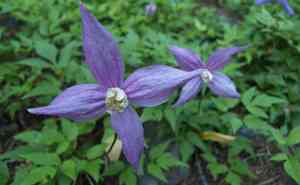
1
Western Blue Virginsbower flourishes in adequately drained ground and filtered sun.
2
Establishing Western Blue Virginsbower during springtime promotes vigorous development and flowering.
3
Western Blue Virginsbower draws in butterflies and hummingbirds, enlivening your outdoor space.
Incorporating Western Blue Virginsbower into Your Garden Design
Understanding the Growth Habits of Western Blue Virginsbower
Western Blue Virginsbower is a perennial plant recognized for its climbing stems and vibrant blossoms. Grasping its growth pattern is vital for successful integration into your landscape. This plant typically grows quickly, readily attaching to trellises, fences, and other structures. By acknowledging its climbing nature, you can offer suitable supports to ensure robust development. Furthermore, consistent observation helps direct the vines as desired, preventing them from overwhelming other garden areas.
Selecting the Ideal Spot for Western Blue Virginsbower
Choosing the best location for Western Blue Virginsbower is critical for its vitality and visual contribution to your garden. Ideally, plant Western Blue Virginsbower where it will receive partial sun, as excessive direct sunlight can stress the plant, while insufficient light may impede its growth. The soil should drain well to prevent root rot. By observing your garden's natural light patterns, you can find a spot that balances both sun and shade, fostering vigorous growth and brilliant blooms.
Harmonizing Other Plants with Western Blue Virginsbower
To cultivate a cohesive garden, consider how Western Blue Virginsbower's climbing habit and colorful flowers can complement your existing flora. Pair Western Blue Virginsbower with groundcover plants or shorter shrubs to create a layered effect that adds depth and visual appeal to your garden. Additionally, its flowers can provide a burst of color against green foliage, making it a striking focal point. By thoughtfully integrating Western Blue Virginsbower with other plants, you can enhance your landscape's overall aesthetic.
Seasonal Considerations for Western Blue Virginsbower in Your Garden
Optimal Planting Time for Western Blue Virginsbower's Best Growth
The most favorable time to plant Western Blue Virginsbower is during spring, allowing it to establish roots and develop strongly throughout the growing season. Spring planting provides Western Blue Virginsbower with the warm temperatures and sufficient rainfall necessary for healthy development. It also ensures the plant is well-rooted before facing the colder winter months. Preparing the soil with organic matter and ensuring good drainage can further boost Western Blue Virginsbower's growth.
Managing Seasonal Changes: Preparing Western Blue Virginsbower for Winter
As winter approaches, it's crucial to ready Western Blue Virginsbower for the cold to ensure its survival and flourishing in spring. Begin by pruning any dead or weak vines, as they are susceptible to frost damage. Mulching around the base can shield the roots from freezing temperatures. Moreover, if you're in an area with harsh winters, consider providing extra protection like frost blankets or covers. These measures can help Western Blue Virginsbower endure winter and return vigorously in the subsequent growing season.
Aesthetic Advantages of Including Western Blue Virginsbower in Your Landscape
Color and Texture: Enhancing Visual Appeal with Western Blue Virginsbower
Western Blue Virginsbower offers a distinct blend of color and texture that can elevate your garden's visual interest. Its vibrant flowers add a splash of color that can brighten any area, while its climbing vines introduce a dynamic vertical element. The contrast of Western Blue Virginsbower's delicate blooms with the sturdier foliage of other plants creates a rich tapestry of textures. This combination of visual elements can make your garden a captivating and inviting space.
Creating Natural Privacy Screens with Western Blue Virginsbower
One practical application of Western Blue Virginsbower in landscaping is to form natural privacy screens. By training its vines to ascend trellises, fences, or pergolas, you can establish lush, green barriers that offer both seclusion and beauty. This is particularly useful in urban settings where homes are close together. A strategically placed Western Blue Virginsbower can provide a sense of privacy and a retreat-like ambiance, making your outdoor space more enjoyable and intimate.
Western Blue Virginsbower's Role in Attracting Wildlife
Western Blue Virginsbower is not only attractive but also beneficial for local wildlife. Its blossoms draw in butterflies and hummingbirds, adding movement and vitality to your garden. By incorporating Western Blue Virginsbower into your landscape, you can create a habitat that supports local fauna. This not only enhances your garden's ecological value but also offers a chance to observe and appreciate these creatures up close. It's a mutual benefit for both the environment and your garden's beauty.
Maintenance Guidelines for Western Blue Virginsbower in Landscaping
Regular Pruning: Ensuring Vigor and Attractiveness
Pruning is an essential maintenance task for Western Blue Virginsbower to foster healthy growth and maintain its appealing look. Consistent pruning helps remove dead or diseased parts, encouraging the plant to produce more flowers. It also prevents the vines from becoming overly tangled, which can impede growth and air circulation. Schedule pruning sessions in late winter or early spring before new growth begins, and again after the blooming period to keep Western Blue Virginsbower looking its best.
Watering and Fertilizing Regimen for Western Blue Virginsbower
Proper watering and feeding are crucial for Western Blue Virginsbower to thrive in your landscape. Ensure the soil remains consistently moist but not waterlogged, especially during the growing season. Using mulch can help retain moisture and regulate soil temperature. Additionally, fertilizing Western Blue Virginsbower with a balanced fertilizer in spring and summer can provide the nutrients it needs for robust growth and flowering. Adhering to a regular watering and feeding schedule can help Western Blue Virginsbower reach its full potential.



