Western Blue Virginsbower(Clematis occidentalis)

Western Blue Virginsbower (Clematis occidentalis)

Also known as: Western Blue Virginsbower, Western Clematis

The western Blue Virginsbower (Clematis occidentalis) is a perennial vine known for its striking blue to purple flowers that bloom in spring and early summer. This plant thrives in forests with well-drained, moist, and rocky soils. When grown in sunny locations, it tends to produce more flowers, whereas shady conditions result in denser foliage. Propagation from seed can be challenging, which adds to its conservation concerns.

The plant is considered endangered in certain regions largely due to habitat destruction caused by deforestation and urban development. Its specific environmental requirements and limited distribution further contribute to its vulnerability. Conservation measures are essential to protect its natural habitats and ensure its survival.

Attributes of Western Blue Virginsbower

Lifespan
Perennial
Plant Type
Vine
Plant Height
91 cm to 3.5 m
Spread
30 cm to 60 cm
Leaf Color
Green
Flower Size
5 cm to 8 cm
Flower Color
Purple Blue

ForwardPlant - Identify plants with a snap

Identify and diagnose plants, get toxicity alerts, and explore safety guides for all types of fungi.

Try for Free

Images of Western Blue Virginsbower
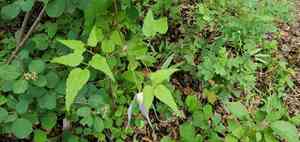
Western Blue Virginsbower(Clematis occidentalis)

Quickly Identify Western Blue Virginsbower

1
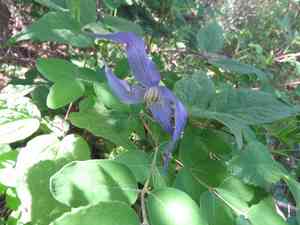
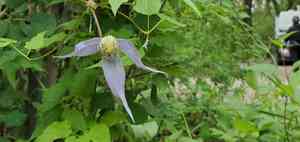
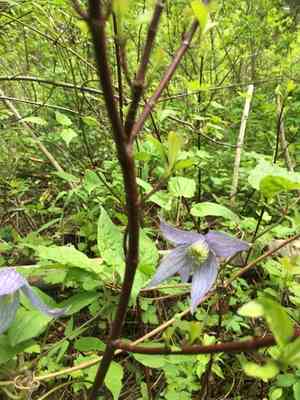
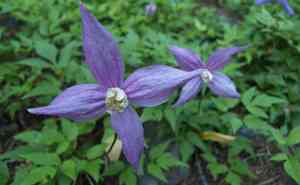
Identification of Clematis occidentalis can be done through its distinctive bell-shaped flowers, which are typically blue to purple. The leaves are usually trifoliate and can be jagged. The plant exhibits a climbing habit, using tendrils to latch onto supports.

Scientific Classification of Western Blue Virginsbower

Phylum
Vascular plants
Class
Dicotyledons
Order
Ranunculales
Family
Buttercup
Genus
Clematis
Species
Western Blue Virginsbower

Planting and Growing of Western Blue Virginsbower

Care Difficulty
Hard
Watering Schedule
Every 3 days
Sunlight Requirements
Partial sun
Sunshine Duration
4-8 hours
Ideal Temperature
55-75℉
Soil Type
Potting Mix, Peat Mix
Soil pH
5.5-7.5
Fertilizer Type
Balanced
Pruning Season
Spring, Summer
Pruning Area
Branches, Leaves
Pruning Frequency
2 times a year
Repotting Season
Spring
Pot Type
Plastic, Ceramic

water icon How to Water Western Blue Virginsbower?

Clematis occidentalis prefers to be watered thoroughly until water drains out of the bottom of the pot. The soil should be kept consistently moist but not waterlogged. Ideally, the moisture level should resemble a well-wrung sponge. This allows the plant's roots to breathe and avoid root rot.
What are the symptoms of an underwatered Western Blue Virginsbower?
What should I do if my Western Blue Virginsbower is not getting enough water?
What are the symptoms of an overwatered Western Blue Virginsbower?
How to save an overwatered Western Blue Virginsbower?

sunlight icon What Are the Sunlight Requirements for Western Blue Virginsbower?

Sunlight Requirements: Partial sun, Full shade
Duration of light: 4 to 6 hours daily
Clematis occidentalis thrives in partial sun. This light condition benefits its growth by balancing sufficient light for photosynthesis with protection against harsh rays that could cause damage.
What is the best lighting condition for Clematis occidentalis?
How can I achieve the ideal lighting for Clematis occidentalis?
What benefits does appropriate lighting provide to Clematis occidentalis?
More About Sunlight Requirements Techniques

temperature icon What Is the Ideal Temperature Range for Western Blue Virginsbower?

Ideal Temperature: 55 ~ 75℉
For optimal growth, Clematis occidentalis thrives in temperatures between 55°F and 75°F. This temperature range allows the plant to properly photosynthesize and grow strong, healthy vines. Maintaining this range will ensure vibrant blooms and a resilient structure.

soil icon What Soil is Best for Western Blue Virginsbower?

Soil type: Loam, Sandy loam
Soil PH: 5.5 ~ 7.5
Clematis occidentalis thrives in well-draining soil to prevent root rot, as excess water around the roots can be detrimental. A well-aerated loam or sandy loam allows for proper water management, ensuring the plant's roots breathe freely and absorb nutrients efficiently. Rich soil with organic matter is crucial for Clematis occidentalis, as it provides essential nutrients for healthy growth. Organic compost mixed into the soil can enhance fertility, boosting the plant's vibrant blooms and sturdy structure. While Clematis occidentalis enjoys consistent moisture, it's critical to balance it with drainage. This means regular watering during dry periods to maintain an even moisture level without saturating the soil, promoting optimal growth and resilience.

fertilize icon How to Fertilize Western Blue Virginsbower?

Fertilizer type: Balanced
For Clematis occidentalis, the appropriate amount of fertilizer depends on the growing conditions. Typically, using a balanced fertilizer with an N-P-K ratio of 10-10-10 is suitable. For liquid fertilizers, dilute them to half their strength before application. Use approximately 1 tablespoon per gallon of water. For slow-release granules, follow the manufacturer's instructions on the package for the appropriate volume, often around 1-2 tablespoons per plant.

prune icon How to Prune Western Blue Virginsbower?

Pruning Time: Spring, Autumn
Prune Clematis occidentalis in early spring before new growth begins or in late autumn after the foliage has died back. These timings ensure the plant can focus on healing and growing robustly post-pruning. Begin with cutting out dead, damaged, or diseased stems. Use sharp and clean pruning shears to make clean cuts, preventing any infections and encouraging the plant to channel energy into healthy, productive growth. Trim the stems to maintain a balanced shape, ideally cutting just above a healthy bud or pair of buds. This precision encourages new growth along these nodes, enhancing the vine’s coverage and flowering potential. Thin out crowded areas to improve air circulation, which reduces the risk of fungal diseases. A well-ventilated plant is less susceptible to infections, ensuring its longevity and vitality.

propagate icon How to Propagate Western Blue Virginsbower plant?

Propagate Time: Spring,Early summer
1
Harvest seeds from mature Clematis occidentalis plants in late autumn. Choose seeds that are healthy and fully ripe to ensure better germination rates.
2
Select a healthy stem and cut a section around 6 inches long. Ensure the stem has a few leaves and remove any flowers to direct energy towards root development.
3
Select a low branch, strip the leaves around the area in contact with the soil, and secure it to the ground with a garden pin, covering it partially with soil. This will stimulate root growth.
More About Propagating Techniques

repot icon How to Repot Western Blue Virginsbower plant?

Repotting frequency: Every 2-3 years
1
Clematis occidentalis needs repotting when it becomes root-bound, which usually shows as roots growing out of the drainage holes or the plant ceasing to thrive. Spring and Autumn are the ideal seasons, offering temperate conditions for recovery.
2
Select a pot that's 2-4 inches larger in diameter than the current one. Ensure it has good drainage holes to avoid waterlogging. A larger pot provides ample space for root expansion, supporting vigorous growth and flower production.
3
Opt for a well-draining loamy soil mix rich in organic matter. This soil retains necessary moisture while allowing excess water to escape, preventing root rot and providing essential nutrients for healthy growth.

ForwardPlant - Identify plants with a snap

Find the best spots for them to optimize their health, simply using your phone.

Try for Free

Toxicity

Ingestion, Skin contact

Identify toxic plants for your safety

Learn which plants are harmful to you and your pets, and make informed choices for a safer home!

Try for Free
WARNING
The judgment on toxicity and danger is for reference only. We DO NOT GUARANTEE any accuracy of such judgment. Therefore, you SHALL NOT rely on such judgment. It is IMPORTANT TO SEEK PROFESSIONAL ADVICE in advance when necessary.