How to Transplant Headachevine?
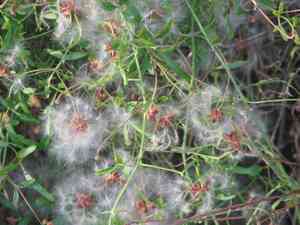
Headachevine flourishes when transplanted in the middle to latter part of spring, as this period facilitates superior root development. Select a bright, adequately drained area for optimal outcomes. Verify that the new site mirrors its favored environment – from full sunlight to partial shade.
What Preparations are Necessary Before Relocating Headachevine?
What is the Optimal Period for Moving Headachevine?
Headachevine, a perennial, flourishes best when moved from early to late spring. This timeframe facilitates excellent root establishment as the soil warms and moisture levels are sufficient. By relocating headachevine during these months, you ensure vigorous development and a sturdy plant structure, setting the stage for healthy growth throughout the season.
What Distance Should You Maintain Between Headachevine Plants?
When relocating headachevine, ensure a spacing of 3-6 feet (0.9-1.8 meters) between them. This distance provides ample room for growth and prevents crowding, helping the plants thrive and spread gracefully.
What is the Best Soil Mixture for Headachevine Relocation?
Prepare well-draining soil abundant in organic material for headachevine. Incorporating compost or aged manure can enhance soil fertility. This perennial favors slightly alkaline soil, so consider adding a balanced base fertilizer to ensure it receives all essential nutrients.
Where Should You Replant Your Headachevine?
Select a site that receives full sun to partial shade for relocating headachevine. This plant requires at least 6 hours of daily sunlight for optimal flowering, but can endure some shade, particularly in warmer climates.
What Tools Should You Prepare Before Relocating Headachevine?
Gardening Gloves
To safeguard your hands while handling soil and the plant.
Hand Trowel
For excavating small holes and carefully lifting delicate root systems.
Shovel or Spade
For digging larger holes and extracting the plant from the ground.
Garden Fork
To gently loosen the soil surrounding the plant.
Watering Can or Hose
For hydrating the plant during and after its relocation.
Pruning Shears
To trim any damaged roots or stems during the relocation process.
Support Stakes and Ties
To offer stability for the plant after relocation, if needed.
How Do You Extract Headachevine from the Soil?
How Do You Extract Headachevine from the Soil?
From Ground: First, water the headachevine plant to moisten the soil. Then, dig a wide trench around the plant using a shovel or spade, ensuring the plant's root ball remains intact. Carefully work the spade beneath the root ball to lift the plant from its original spot.From Pot: Water the headachevine plant thoroughly to dampen the soil. Gently tap the sides of the pot to loosen the soil. Carefully tilt the pot on its side and slide the plant out, supporting the root ball with your hand.From Seedling Tray: Water the seedlings to make the soil easier to manage. Gently push up from the bottom of the tray to lift each seedling out, ensuring you support the root system without causing damage.
Step-by-Step Guide for Relocating Headachevine
Excavation
Dig a hole in the new spot that is twice as wide as the root ball and of similar depth. Ensure the hole has loose soil at the bottom to encourage root development.
Inspection
Examine the root ball for any damaged or tangled roots and trim them with pruning shears.
Placement
Position the headachevine plant into the hole, ensuring the top of the root ball is level with the surrounding soil. Gently backfill the hole with soil, firming it around the plant.
Watering
Thoroughly water the newly relocated headachevine plant to help settle the soil and eliminate any air pockets.
Support
If necessary, insert support stakes around the plant and gently tie the stems to the stakes to provide stability until the plant establishes itself.
How Do You Care For Headachevine After Relocation?
Watering
Keep the soil around the headachevine consistently moist, but not waterlogged, for the initial few weeks after relocation to aid in developing strong roots.
Mulching
Apply a layer of mulch around the plant's base to help retain moisture and regulate soil temperature.
Pruning
Trim back any dead or damaged stems to encourage new growth and reduce stress on the plant.
Monitoring
Regularly inspect the plant for any indications of stress, pests, or disease, and address any issues promptly.
Troubleshooting Common Issues with Headachevine Relocation.
When is the best time to relocate headachevine?
Early spring to late spring is the ideal period to move headachevine.
How far apart should I space headachevine plants?
Space headachevine plants 3-6 feet (0.9-1.8 meters) apart for optimal growth.
What size hole should I dig for relocating headachevine?
Dig a hole twice as wide and just as deep as the root ball.
How do I prepare headachevine for relocation?
Water the plant thoroughly a day before and prune any damaged roots or stems.
What type of soil is best for headachevine during relocation?
Headachevine prefers well-draining soil rich in organic matter for successful relocation.
How much water does headachevine need after relocation?
Water headachevine thoroughly after relocation and keep soil consistently moist for the first few weeks.
Should I fertilize headachevine immediately after relocation?
Wait a few weeks to fertilize headachevine to allow it to settle in its new location.
How can I protect headachevine from relocation shock?
Avoid root disturbance, provide adequate water, and relocate during cooler parts of the day.
How deep should I plant headachevine during relocation?
Plant headachevine at the same depth it was growing in its previous location.
What should I do if headachevine looks wilted after relocation?
Keep the soil moist, provide shade if necessary, and avoid overwatering to help it recover.



