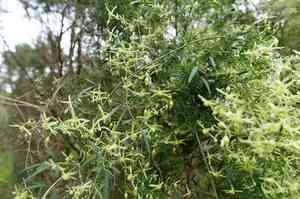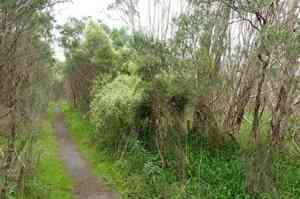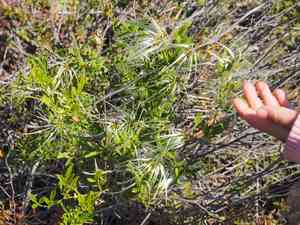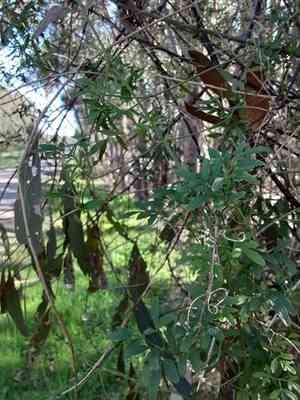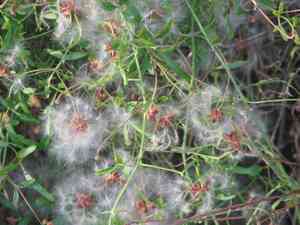
Headachevine(Clematis microphylla)

Headachevine (Clematis microphylla)

Also known as: Small-leaved clematis, Old Man's Beard

Headachevine (Clematis glycinoides) is noted for its dark green, glossy leaves, which can be either trifoliate or simple. This hardy climber adapts well to various environments, including coastal regions and woodlands.

Key characteristics:
- **Leaves**: Shiny and evergreen, providing a dense foliage.
- **Flowers**: Small, white, and star-shaped, blooming mainly from spring to early summer.
- **Fruit**: Produces achenes with long, feathery appendages that facilitate wind dispersal.

Seasonal behaviors:
- **Spring to Early Summer**: Flowering season.
- **Late Summer to Autumn**: Seed development and dispersal.
- **Winter**: Reduced growth, though it may remain evergreen in mild climates.

Headachevine's adaptability and robust dispersal mechanisms contribute to its widespread presence in diverse habitats.

Attributes of Headachevine

Lifespan
Perennial
Plant Type
Vine
Plant Height
3 m
Spread
1.2 m
Leaf Color
Green
Flower Size
1 to 1.5 centimeters (0.4 to 0.6 inches)
Flower Color
White to cream

ForwardPlant - Identify plants with a snap

Identify and diagnose plants, get toxicity alerts, and explore safety guides for all types of fungi.

Try for Free

Images of Headachevine

Headachevine(Clematis microphylla)

Quickly Identify Headachevine

1
Look for a climber with small pinnate leaves. The flowers are small, white to cream-colored with a feathery appearance due to the long stamens. Fruits are also feathery.

Scientific Classification of Headachevine

Phylum
Vascular plants
Class
Dicotyledons
Order
Ranunculales
Family
Buttercup
Genus
Clematis
Species
Headachevine

Planting and Growing of Headachevine

Care Difficulty
Moderate
Watering Schedule
Every 3 days
Sunlight Requirements
Full sun
Sunshine Duration
4-8 hours
Ideal Temperature
60-77℉
Soil Type
Potting Mix, Peat Mix
Soil pH
6.5-7.5
Fertilizer Type
Balanced
Pruning Season
Spring, Summer
Pruning Area
Branches, Leaves
Pruning Frequency
2 times a year
Repotting Season
Spring
Pot Type
Plastic, Terracotta

water icon How to Water Headachevine?

Clematis microphylla requires watering to ensure the soil remains consistently moist but not waterlogged. This means providing enough water until you see excess draining from the bottom of the pot, indicating the root zone is adequately saturated. Typically, around 500ml of water suffices for each session to strike the right balance between hydration and aeration.
What are the symptoms of an underwatered Headachevine?
What should I do if my Headachevine is not getting enough water?
What are the symptoms of an overwatered Headachevine?
How to save an overwatered Headachevine?

sunlight icon What Are the Sunlight Requirements for Headachevine?

Sunlight Requirements: Full sun, Partial sun
Duration of light: Four to six hours
Clematis microphylla thrives best in partial to full sun conditions. The ideal light promotes robust growth, enhances flowering, and supports overall plant health by enabling efficient photosynthesis.
What is the ideal amount of sunlight for Clematis microphylla?
How can I ensure my Clematis microphylla gets the right amount of sunlight?
What benefits does adequate sunlight bring to Clematis microphylla?

temperature icon What Is the Ideal Temperature Range for Headachevine?

Ideal Temperature: 60 ~ 77℉
The ideal temperature range for Clematis microphylla is between 60°F and 77°F. This range allows the plant to maintain optimal growth by providing a stable environment that ensures cellular processes such as photosynthesis and respiration are not hindered. Maintaining this temperature range helps the plant produce lush foliage and vibrant blooms consistently.

soil icon What Soil is Best for Headachevine?

Soil type: Sandy soil, Loam
Soil PH: 6.5 ~ 7.5
Clematis microphylla thrives in well-drained soil. Good drainage prevents root rot and allows the plant to access necessary nutrients efficiently. The plant prefers soil with moderate fertility. This balance ensures healthy growth and flowering without the issues connected with overly rich soils like excessive leaf growth. While drainage is essential, the soil should retain some moisture to sustain the plant during dry periods, contributing to its vigor and resilience.

fertilize icon How to Fertilize Headachevine?

Fertilizer type: Balanced
For Clematis microphylla, consider using a balanced 10-10-10 fertilizer. For liquid applications, dilute the fertilizer to half the recommended strength to avoid over-fertilization. Apply no more than 1 liter of this solution per square meter. For solid, slow-release fertilizers, evenly distribute around the base of the plant, using about 50 grams per square meter. This ensures the plant receives adequate nutrients without risking root burn.

prune icon How to Prune Headachevine?

Pruning Time: Spring, Summer, Autumn, Winter
Clematis microphylla requires careful pruning; over-pruning can lead to reduced flowering. Ensure only to remove necessary portions as excessive cuts may stress the plant. Despite being able to prune all year round, adapt your pruning techniques to the season. For instance, during dormancy in winter, focus more on shaping rather than heavy pruning. After pruning, ensure all cuttings and foliage are collected and disposed of properly to prevent the spread of disease and maintain garden hygiene. Following pruning, keep an eye on the Clematis microphylla for any signs of stress or disease. Adjust care routines as needed to ensure the plant bounces back effectively.

propagate icon How to Propagate Headachevine plant?

Propagate Time: Spring,Early spring,Late spring,Summer
1
Gather seeds from mature Clematis microphylla plants in late summer. Ensure seeds are dry before storage. Clean away any pulp or surrounding material.
2
To propagate by cuttings, select healthy stems in early spring. Trim about 10-15 cm lengths with at least two sets of leaves, ensuring cuts are clean.
3
For layering, bend a low stem to the ground in spring or summer, bury a section with nodes in the soil, and use pegs to keep it in place until roots form.
More About Propagating Techniques

repot icon How to Repot Headachevine plant?

Repotting frequency: Every 2-3 years
1
Repotting for Clematis microphylla is best done in the spring or autumn when the plant is not in full bloom. Look for signs such as roots protruding from the drainage holes, soil compacting, or mold growth on the soil surface, indicating it's time for a refresh.
2
Select a pot that is one size larger than the current one with ample drainage holes. Clematis prefers room for root expansion, and a slightly deeper pot promotes root development while preventing water from accumulating and harming the roots.
3
A well-draining loamy soil blend enriched with organic matter suits Clematis microphylla. This type of soil helps retain moisture without waterlogging, ensuring the roots receive both hydration and air, essential for healthy growth.

ForwardPlant - Identify plants with a snap

Find the best spots for them to optimize their health, simply using your phone.

Try for Free

Toxicity

Ingestion

Identify toxic plants for your safety

Learn which plants are harmful to you and your pets, and make informed choices for a safer home!

Try for Free
WARNING
The judgment on toxicity and danger is for reference only. We DO NOT GUARANTEE any accuracy of such judgment. Therefore, you SHALL NOT rely on such judgment. It is IMPORTANT TO SEEK PROFESSIONAL ADVICE in advance when necessary.