How to Propagate Headachevine?
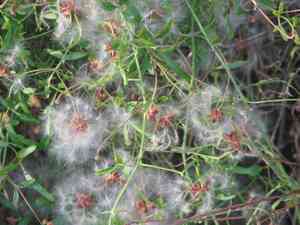
Headachevine, an Australian native climber, flourishes in adequately drained substrates. To achieve successful propagation through cuttings, choose robust, semi-lignified stems, making sure to incorporate nodes. Insert the cuttings into a damp rooting substrate, preserving high humidity and diffused illumination. Periodically check for the emergence of roots. This technique ensures vigorous development and effective propagation.
Optimal Time for Headachevine Propagation
Propagation Method
Cutting
Propagation Period
Spring,Summer
Tools for Headachevine Propagation
PruningShears
Pruning shears are vital for obtaining healthy cuttings from headachevine. Ensure sharp, clean blades for precise cuts and to avoid harming the parent plant.
RootingHormone
Rooting hormone aids in stimulating root growth on headachevine cuttings. Dip the cut end into the powder or gel to boost the likelihood of successful root formation.
PropagationTrays
Propagation trays offer a controlled setting for headachevine cuttings to root. They allow proper drainage and can be easily covered with a clear dome to maintain moisture.
SeedStartingMix
Utilizing a seed starting mix ensures headachevine cuttings have a light, well-draining medium for root establishment. This mix is typically sterile, reducing disease risk.
Mister
A mister is employed to keep humidity levels high around headachevine cuttings without excessive watering. Gentle misting helps prevent cuttings from drying out as they develop roots.
HeatingMat
A heating mat placed beneath propagation trays provides gentle warmth from below, which can accelerate root establishment in headachevine cuttings, especially in cooler conditions.
Labels
Labels are essential for tracking various cuttings and their progress. Mark each label with the date and other pertinent details to monitor headachevine's propagation success.
How to Propagate Headachevine?
Propagation Type
Moderately Difficult
Caring for Your Newly Propagated Headachevine
Caring for Your Newly Propagated Headachevine?
Maintain consistent moisture, but avoid overwatering. Ensure the young headachevine receives ample indirect sunlight. Provide a trellis or support for climbing as it matures. Prune regularly to encourage growth and remove dead or weak stems. Monitor for pests and diseases, treating promptly if found.
Common Mistakes to Avoid When Propagating Headachevine
Overwatering
Excessive watering can lead to root rot, hindering the plant's ability to establish and grow. Well-draining soil is crucial.
Insufficient Light
Lack of adequate light can result in weak, leggy growth. Headachevine needs bright, indirect sunlight for optimal development.
Poor Soil Quality
Using soil that drains poorly or lacks essential nutrients can stunt growth and reduce propagation success.
Improper Cuttings
Taking cuttings from unhealthy or diseased plant parts can lead to failed propagation and disease spread.
Neglecting Humidity
Failure to maintain sufficient humidity can cause cuttings to dry out, leading to unsuccessful propagation.
Tips For Propagating Headachevine
Use Well-Draining Soil
Choose a soil mix that allows excess water to drain easily, preventing root rot and promoting healthy growth.
Bright, Indirect Light
Headachevine thrives in bright, indirect sunlight. Position cuttings where they receive sufficient light without direct exposure.
Select Healthy Cuttings
Choose vigorous, disease-free stems for cuttings. This increases the chances of successful rooting and growth.
Maintain Humidity
Keep the cuttings in a humid environment. Use a plastic cover or mist regularly to prevent dehydration.
Regular Monitoring
Frequently check for signs of disease, pests, or stress. Early intervention can save the plant and ensure successful propagation.



