How to Transplant Clematis macropetala?
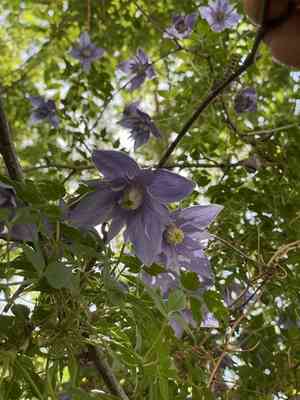
Optimal periods for transplanting clematis macropetala occur in the early to mid-spring or from the beginning of autumn through late fall. Select a location with good drainage, offering full sun to partial shade, to guarantee successful rooting. Enjoy your gardening endeavors!
What Preparations are Needed Before Transplanting Clematis Macropetala?
What is the Ideal Time for Transplanting Clematis Macropetala?
The best times for relocating clematis macropetala are from early to late spring and early to late autumn. These periods provide mild temperatures and consistent moisture, encouraging strong root development. Moving the plant during these windows reduces shock and improves overall health, ensuring clematis macropetala's hardiness and vigorous growth in its new spot.
How Much Space Should You Leave Between Clematis Macropetala Plants?
When moving clematis macropetala, position each plant 24-36 inches (60-91 cm) apart to allow ample room for their growth and spread.
What is the Best Soil Mix for Clematis Macropetala Transplanting?
Ensure the soil drains well and contains abundant organic material. Amending the soil with a foundational fertilizer, such as compost or a balanced slow-release product, will supply the necessary nutrients for clematis macropetala to flourish.
Where Should You Relocate Your Clematis Macropetala?
Select a site where clematis macropetala will receive full sun to partial shade. Ideally, clematis macropetala should get at least 6 hours of sunlight daily for optimal development.
What Equipments Should You Prepare Before Transplantation Clematis Macropetala?
Gardening Gloves
To safeguard your hands while handling soil and plants.
Shovel or Spade
For digging and moving earth.
Garden Trowel
Useful for working in confined areas and for more precise excavation.
Watering Can or Hose
To hydrate the plant before and after its relocation.
Compost or Organic Matter
To enrich the soil and support plant vitality.
Mulch
Helps maintain soil moisture and inhibit weed growth.
How Do You Remove Clematis Macropetala from the Soil?
How Do You Remove Clematis Macropetala from the Soil?
From Ground: First, moisten the clematis macropetala plant's soil. Then, dig a wide trench around the plant with a shovel or spade, making sure the root ball stays intact. Carefully work the spade beneath the root ball to lift the plant from its original spot.From Pot: Water the clematis macropetala plant thoroughly. Gently turn the pot on its side and support the plant's base as you slide it out. If it's stuck, tap the pot's sides and bottom to loosen the root ball, being careful not to harm the roots.From Seedling Tray: Water the seedlings well. Use a garden trowel to gently loosen the soil around each seedling. Support the plant's base (not the stems) as you lift it, ensuring the delicate roots remain undamaged.
Step-by-Step Guide for Transplanting Clematis Macropetala
Prepare the New Planting Site
Dig a hole in the new location that is twice the size of the clematis macropetala's root ball. Mix compost or organic material into the soil within the hole to enrich it.
Position the Plant
Place the clematis macropetala in the center of the hole at the same depth it was growing previously. Ensure the top of the root ball is level with the surrounding ground.
Backfill and Firm the Soil
Fill in around the root ball with the enriched soil, gently pressing it down to remove any air pockets.
Water Thoroughly
After backfilling, water the clematis macropetala extensively to settle the soil and aid root establishment.
How Do You Care For Clematis Macropetala After Transplanting?
Watering
Keep the soil around the clematis macropetala consistently moist, but not waterlogged, for the initial few weeks post-transplant to help develop strong roots.
Mulching
Apply a layer of mulch around the plant's base to help retain moisture and suppress weeds. Keep the mulch a few inches away from the stems to prevent rot.
Support
Consider installing a trellis or support structure for your clematis macropetala if it is a climbing variety. This will encourage upward growth and reduce stress on the plant.
Troubleshooting Common Issues with Clematis Macropetala Transplantation.
When is the best time to transplant clematis macropetala?
Early to late spring or early to late fall is ideal.
How far apart should I space clematis macropetala?
Space them 24 to 36 inches (61 to 91 cm) apart for optimal growth.
What type of soil is best for transplanting clematis macropetala?
Well-draining soil rich in organic matter is best for transplanting clematis macropetala.
How to prepare the soil before transplanting clematis macropetala?
Enrich the soil with compost or manure, and ensure it drains well.
Should I water clematis macropetala immediately after transplanting?
Yes, water thoroughly right after transplanting to help clematis macropetala establish roots.
How deep should I plant clematis macropetala during transplantation?
Plant clematis macropetala at the same depth as it was in its original location.
What should I do if clematis macropetala's leaves turn yellow?
Ensure proper watering, avoid overwatering, and check soil drainage.
Can I fertilize clematis macropetala after transplanting?
Wait a few weeks after transplanting before fertilizing to avoid root burn.
How can I prevent transplant shock in clematis macropetala?
Water deeply, avoid disturbing roots much, and keep the plant shaded initially.
What if clematis macropetala appears wilted after transplanting?
Increase watering frequency and ensure the plant is not exposed to intense sunlight.



