How to Propagate Clematis macropetala?
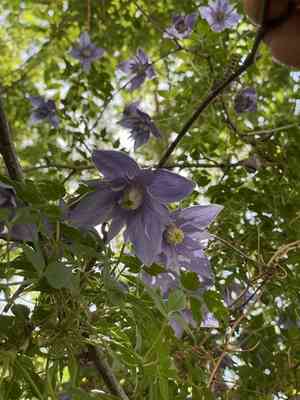
Clematis macropetala is a leaf-shedding vine recognized for its campanulate blossoms and abundant greenery. For propagating clematis macropetala, employing semi-ripe cuttings is advisable. Sever robust stems directly beneath a joint, making sure each cutting possesses a minimum of two leaf pairs. Submerge the severed tips in rooting compound and embed them in damp, adequately draining substrate. Sustain elevated moisture levels and diffused illumination until root systems develop, which usually occurs within several weeks.
Optimal Period for Clematis Macropetala Propagation
Propagation Type
Cutting
Propagation Season
Spring,Summer
Tools Required for Clematis Macropetala Propagation
Sharp Pruning Shears
Utilized for taking cuttings from clematis macropetala without harming the parent plant. The sharp blades ensure precise cuts, crucial for preventing injury and minimizing disease risk.
Rooting Hormone
Encourages quicker and more robust root development in cuttings. Dipping clematis macropetala cuttings in rooting hormone powder or gel before planting can significantly boost propagation success.
Clean Containers or Pots
Offers a sterile environment for cuttings to establish roots. Using clean containers lowers the chance of fungal infections and enhances the overall health of clematis macropetala during propagation.
Sterile Potting Mix
Creates an ideal medium for rooting cuttings. A blend of perlite and peat moss is recommended for clematis macropetala to ensure proper drainage and aeration, vital for root growth.
Clear Plastic Bags or Humidity Domes
Maintain high humidity levels around cuttings, which is essential for clematis macropetala's successful rooting. These tools help retain moisture, reducing water loss through transpiration.
Spray Bottle
Used for misting cuttings to keep them hydrated. Regular misting ensures that clematis macropetala cuttings do not dry out, especially in the initial stages of root formation.
Heat Mat
Provides warmth from below to stimulate faster root development. Maintaining consistent heat at the base of cuttings is beneficial for clematis macropetala, particularly in cooler climates.
How to Propagate Clematis Macropetala?
Propagation Type
Moderately Difficult
Post-Propagation Care for Your Clematis Macropetala
How to Care for Your Newly Propagated Clematis Macropetala?
After successful rooting, gradually introduce clematis macropetala to normal conditions by removing the plastic cover for longer durations daily. Transplant the established plant to its permanent spot in fertile, well-draining soil with partial to full sunlight. Consistent watering and mulching to retain moisture are important. Provide a trellis or support for vertical growth and prune annually to maintain shape and encourage blooming.
Common Errors to Avoid When Propagating Clematis Macropetala
Incorrect Soil Type
Using the wrong soil type can impede rooting. Clematis macropetala prefers well-draining soil, and dense, waterlogged soils can lead to root rot.
Overwatering
Excessive watering can result in waterlogged conditions, causing roots to decay before they can establish.
Improper Light Conditions
Clematis macropetala requires adequate light for successful propagation. Insufficient light can lead to weak growth, while too much direct sunlight can scorch young cuttings.
Neglecting Cutting Sanitation
Failing to use sterilized tools when taking cuttings can introduce diseases, impacting the health of the propagules.
Incorrect Cutting Size
Cuttings that are either too long or too short may not root properly. Incorrect size can affect the balance of water uptake and transpiration.
Tips For Propagating Clematis Macropetala
Use Well-Draining Soil
Prepare a mix that allows excess water to drain efficiently, preventing root rot and supporting healthy growth.
Moderate Watering
Keep the soil moist but not waterlogged. Ensure good aeration to prevent root diseases.
Provide Indirect Light
Place cuttings in indirect light to promote healthy growth without the risk of scorching from direct sunlight.
Sterilize Tools
Always use sterilized tools to make clean cuts and reduce the risk of introducing pathogens.
Optimal Cutting Size
Opt for cuttings that are around 4-6 inches in length with a few leaves, ensuring a good balance for growth and development.



