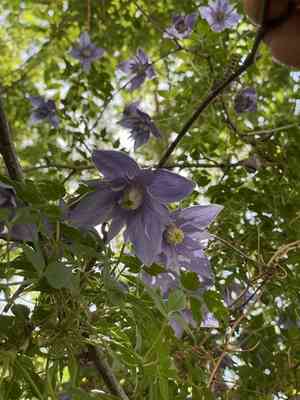
Clematis macropetala (Clematis macropetala)
Also known as: Alpine Clematis, Downy Clematis
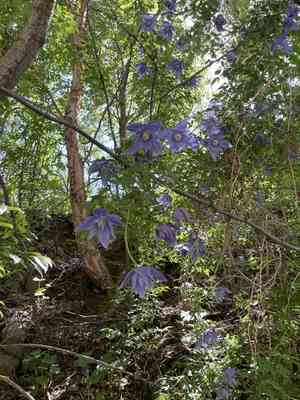
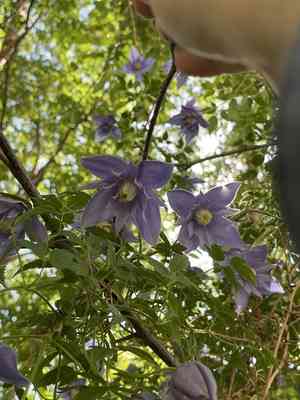
Clematis macropetala is a decorative climbing vine admired for its ability to gracefully scale structures and fences. It features distinctive bell-shaped flowers, often double or semi-double, that bloom in spring in colors ranging from lavender to deep blue. This hardy perennial does well in well-drained soil and flourishes in locations with full sun to partial shade, typically growing to heights of 6 to 10 feet. Beyond its striking floral display, it produces feathery seed heads that add visual interest to gardens through the fall.
In This Article
Attributes of Clematis macropetala
Lifespan
Perennial
Plant Type
Vine
Plant Height
2.5 m to 3.5 m
Spread
2 m
Leaf Color
Green
Flower Size
5-7 centimeters
Flower Color
White Purple Blue Cream
Images of Clematis macropetala
Quickly Identify Clematis macropetala
1
Identify Clematis macropetala by its distinctive, pendulous, blue to purple, nodding flowers that appear in early spring. The plant also features pinnate leaves with 3-5 toothed leaflets, and fluffy seed heads that follow the flowers.
Scientific Classification of Clematis macropetala
Phylum
Vascular plants
Class
Dicotyledons
Order
Ranunculales
Family
Buttercup
Genus
Clematis
Species
Clematis macropetala
Planting and Growing of Clematis macropetala
Care Difficulty
Moderate
Watering Schedule
Every 4 days
Sunlight Requirements
Partial sun
Sunshine Duration
4-8 hours
Ideal Temperature
60-75℉
Soil Type
Potting Mix, Peat Mix
Soil pH
6.5-7.5
Fertilizer Type
Balanced
Pruning Season
Spring, Summer
Pruning Area
Branches, Leaves
Pruning Frequency
Once a year
Repotting Season
Spring
Pot Type
Plastic, Ceramic
 How to Water Clematis macropetala?
Clematis macropetala prefers the soil to be consistently moist but not waterlogged. The goal is to keep the soil damp enough to support the plant's needs but allow the top inch to dry slightly between waterings. This helps prevent root rot and supports healthy growth.
What are the symptoms of an underwatered Clematis macropetala?
›
What should I do if my Clematis macropetala is not getting enough water?
›
What are the symptoms of an overwatered Clematis macropetala?
›
How to save an overwatered Clematis macropetala?
›
 What Are the Sunlight Requirements for Clematis macropetala?
Clematis macropetala thrives in partial sun, receiving balanced light. Ideal light fosters vibrant blooms and strong stem development, enabling the plant to flourish and resist stress.
What’s the perfect spot?
›
How to achieve ideal light levels?
›
What benefits come from ideal light exposure?
›
 What Is the Ideal Temperature Range for Clematis macropetala?
Clematis macropetala thrives best within an ideal temperature range of 60°F to 75°F. This range ensures that the plant receives enough warmth to promote healthy growth while avoiding the stress of excessive heat, which can lead to wilting and dehydration. Consistently maintaining this temperature allows the plant to flourish and produce its characteristic vibrant blooms.
 What Soil is Best for Clematis macropetala?
Clematis macropetala thrives best in well-draining soils, which prevent waterlogging and root rot. Ensuring good drainage allows the roots to access oxygen efficiently, promoting healthy growth and abundant blooms. This plant prefers soil that retains adequate moisture while not being waterlogged. A balance ensures that the roots are neither too dry nor too wet, which is crucial for preventing stress and promoting vigorous growth. Nutrient-rich soil enhances Clematis macropetala's growth by supplying essential elements required for flowering and foliage. Organic matter or compost can be added to bolster soil fertility, aiding in robust plant development.
 How to Fertilize Clematis macropetala?
For Clematis macropetala, the ideal fertilizer amount is carefully balanced. Liquid fertilizers should be applied at a concentration of half the recommended strength to avoid root burns. A single application should not exceed a quarter-gallon per plant, ensuring the roots can fully absorb nutrients without waterlogging the soil.
 How to Prune Clematis macropetala?
Begin pruning Clematis macropetala in early spring before new growth begins. Cut back any dead or damaged stems to promote healthy growth. Trim the top growth lightly to shape the plant and encourage more flowers. Remove any tangled or crossing stems to open up the plant and ensure good air circulation. This will minimize the risk of disease and improve the overall health of the plant.
 How to Propagate Clematis macropetala plant?
1
Harvest mature seeds from dried seed heads in late autumn, ensuring they are stored in a cool, dry place to maintain viability until sowing season.
2
Select healthy stems in early spring and cut them just below a node. Remove the lower leaves and dip the cut end in rooting hormone to enhance root growth.
3
Choose a low branch in early autumn, bend it to the ground, and cover part of the stem with soil while leaving the tip exposed to encourage root formation.
 How to Repot Clematis macropetala plant?
1
Clematis macropetala needs repotting when you notice roots circling the pot or growing out of its drainage holes. Another sign is when water sits on top of the soil rather than being absorbed, indicating compacted soil impeding growth.
2
Select a pot that is 2-4 inches larger in diameter than the current one. Ensure it has adequate drainage holes. A pot too large can hold excess moisture, leading to root rot, whereas one that's just right allows steady growth and healthy root expansion.
3
Opt for a well-draining, loamy soil to prevent waterlogging. Such soil ensures sufficient air circulation and moisture retention, facilitating robust growth. Clematis macropetala thrives in nutrient-rich environments, so enriched potting mixes are an added benefit.
Toxicity
Ingestion
WARNING
The judgment on toxicity and danger is for reference only. We DO NOT GUARANTEE any accuracy of such judgment. Therefore, you SHALL NOT rely on such judgment. It is IMPORTANT TO SEEK PROFESSIONAL ADVICE in advance when necessary.



