How to Transplant Hairy clematis?
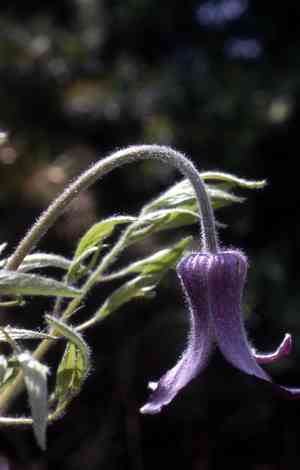
Hairy clematis flourishes when transplanted, ideally from the beginning to the end of spring, as temperatures gradually ascend. Select locations with good drainage, offering ample light yet filtered sunlight. When relocating, guarantee minimal disruption to the root system for a smooth adjustment to its new environment.
What Preparations are Needed Before Transplanting Hairy Clematis?
What is the Ideal Time for Transplanting Hairy Clematis?
The optimal period to relocate hairy clematis spans from the refreshing warmth of mid-spring to the flourishing vigor of late spring. This timeframe's consistent weather and mild temperatures facilitate robust root development, providing hairy clematis with a strong start in its new home. During this phase, soil moisture and warmth are typically favorable for root growth, which is vital for hairy clematis's successful adaptation. By selecting this window, gardeners can ensure hairy clematis has the best opportunity to thrive in its new setting, thanks to the season's natural support for the plant's recovery and post-transplant growth.
How Much Space Should You Leave Between Hairy Clematis Plants?
When moving hairy clematis, it's crucial to provide ample room for growth. Aim for a spacing of approximately 24-36 inches (60-91 cm) between plants. This prevents competition for nutrients and sunlight, promoting a healthy and thriving plant.
What is the Best Soil Mix for Hairy Clematis Transplanting?
Before planting hairy clematis, prepare a site with well-draining soil enriched with organic material. Incorporate a balanced slow-release fertilizer to give hairy clematis a strong beginning. This will nourish your plants gradually and support vigorous growth from the outset!
Where Should You Relocate Your Hairy Clematis?
Select a location for hairy clematis that receives full sun to partial shade. Typically, a spot that gets morning sun and afternoon shade would be perfect, helping hairy clematis flourish and produce its beautiful blooms.
What Equipments Should You Prepare Before Transplantation Hairy Clematis?
Gardening Gloves
To safeguard your hands while handling soil and plants.
Spade or Shovel
For excavating around and beneath the plant to extract it with its root ball intact.
Garden Fork
To loosen the soil surrounding the plant's roots when removing it from the ground.
Trowel
For smaller digging tasks, such as refining the new planting hole or adjusting soil around the root ball.
Watering Can or Hose
To hydrate the plant before and after relocation to minimize transplant shock.
Pruning Shears
For trimming any damaged roots or stems prior to transplanting.
Wheelbarrow or Garden Cart
To easily transport the plant and any soil or amendments.
Mulch
To apply around the plant's base after transplanting to help retain soil moisture.
How Do You Remove Hairy Clematis from the Soil?
How Do You Remove Hairy Clematis from the Soil?
From Ground: First, water the hairy clematis plant to moisten the soil. Then, using a spade or shovel, dig a wide trench around the plant, ensuring a substantial portion of the root ball is preserved. Lift the plant from its original spot by carefully working the spade beneath the root ball.From Pot: Begin by watering the hairy clematis plant to facilitate removal. Tilt the pot sideways and gently tap it to loosen the plant. Support the plant by its base and carefully slide it out, keeping the soil and root structure intact.From Seedling Tray: Water the seedlings to simplify their extraction. Use a trowel or your fingers to gently lift the hairy clematis plant from its cell, making sure to maintain the soil and roots together as much as possible.
Step-by-Step Guide for Transplanting Hairy Clematis
Preparation
Prepare the new planting location by loosening the soil and adding necessary amendments to ensure it is fertile and drains effectively.
Root Ball Care
Examine the root ball of the hairy clematis plant. Trim any broken or damaged roots with pruning shears to encourage healthy development.
Planting Hole
Dig a hole at the new site that is twice as wide as the root ball and equally deep. This allows the roots to spread easily.
Transplanting
Position the hairy clematis plant in the center of the hole. The top of the root ball should be level with the surrounding soil.
Refilling Hole
Gently backfill the hole with the excavated soil. Firm the soil around the base of the hairy clematis plant to eliminate any air pockets.
Watering
Water the hairy clematis plant thoroughly after transplanting to settle the soil and hydrate the roots.
Mulching
Apply a layer of mulch around the base of the hairy clematis, without touching the stems, to retain moisture and regulate soil temperature.
How Do You Care For Hairy Clematis After Transplanting?
Monitoring
Regularly check the hairy clematis plant for signs of distress, such as wilting leaves or discoloration, and address any issues promptly.
Watering
Provide sufficient water, especially during dry periods, to help the hairy clematis plant establish itself. Water deeply but infrequently to promote strong root growth.
Support
If hairy clematis is a climbing variety, ensure appropriate support is in place to guide its growth.
Pruning
Remove any dead or damaged foliage to direct the hairy clematis plant's energy towards healthy development.
Protection
During the initial winter, take extra precautions to shield the hairy clematis plant from extreme cold or winds until it is well-established.
Troubleshooting Common Issues with Hairy Clematis Transplantation.
How do I know when it's the best time to transplant hairy clematis?
The optimal period for relocating hairy clematis is during the cooler days of early to late spring, when the plant is emerging from dormancy.
What's the ideal spacing for hairy clematis when transplanting?
Allow hairy clematis ample room to flourish by spacing transplants 24-36 inches (61-91 cm) apart to encourage healthy growth and air circulation.
Should I water hairy clematis immediately after transplanting?
Absolutely! Give hairy clematis a generous watering right after transplanting to help settle the soil and reduce transplant shock.
How deep should the hole be for transplanting hairy clematis?
Dig a hole just as deep as the root ball but twice as wide to allow roots to expand without stress.
Can I transplant hairy clematis on a sunny day?
It's best to transplant on a cloudy day or during the cooler parts of the day to minimize stress on hairy clematis.
What type of soil is best when transplanting hairy clematis?
Use well-draining soil rich in organic matter to give hairy clematis the best start in its new location.
How do I handle the roots of hairy clematis during transplanting?
Gently tease out the roots of hairy clematis before planting to encourage them to spread into the surrounding soil.
What if the leaves of hairy clematis wilt after transplanting?
Some wilting is normal; ensure adequate water and shade from intense sun while hairy clematis adjusts to its new spot.
How can I protect hairy clematis after transplanting?
Mulch around the base of hairy clematis, leaving some space around the stem, to retain moisture and regulate soil temperature.
Is it necessary to fertilize hairy clematis after transplanting?
Wait a few weeks before fertilizing to avoid burning the roots; let hairy clematis establish itself first in the new location.



