How to Propagate Hairy clematis?
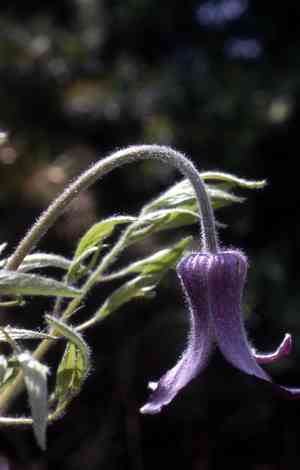
Clematis hirsuta, a perennial climbing plant, is recognized for its decorative appeal and robust growth pattern. For propagation, cultivators ought to gather seeds after they ripen on the vine. These seeds will necessitate stratification to overcome dormancy, mimicking natural cold weather conditions. Plant the stratified seeds in a potting blend that drains effectively, ensuring steady dampness without oversaturation. Alternatively, cuttings can be employed, specifically semi-hardwood cuttings acquired during the plant's period of active development. These cuttings need to be rooted in a porous, well-aerated substrate to foster root formation, while maintaining elevated humidity and sufficient warmth.
When Is the Optimal Time to Propagate Hairy Clematis?
Propagation Method
Seeding
Propagation Period
Spring
What Equipment Is Utilized in Hairy Clematis Propagation?
Seed trays
Seed trays are vital for the seeding technique employed in propagating hairy clematis. They offer a regulated setting for seed germination, enabling ideal spacing and soil depth, which is critical for delicate seeds like those of hairy clematis.
Sterilized potting mix
A premium, sterilized potting medium is essential for the successful sprouting of hairy clematis seeds. This substrate reduces the risk of fungal or bacterial infections that could impede seed germination.
Misting bottle
A misting bottle aids in gently hydrating hairy clematis seeds without disturbing their position in the soil. It supplies the necessary moisture for germination, ensuring the soil is uniformly damp but not saturated.
Heat mat
A heat mat encourages consistent soil temperatures, crucial for the germination of hairy clematis seeds. This device is particularly advantageous for sustaining a warm, stable environment that can foster quicker germination.
Grow lights
Grow lights are beneficial if natural light conditions are suboptimal. They guarantee that hairy clematis seedlings receive sufficient light for healthy development post-germination, especially vital during the initial growth phases when light is a critical element for photosynthesis.
How to Propagate Hairy Clematis?
Propagation Type
Simple
How to Nurture Your Newly Propagated Hairy Clematis?
How to Nurture Your Newly Propagated Hairy Clematis?
Once hairy clematis seedlings are established, gradually introduce them to their permanent outdoor locations if applicable. Plant them in soil that drains well, with exposure to full sun to partial shade. Ensure consistent watering, particularly during warmer months, but also allow the soil to dry slightly between waterings to prevent root rot. Pruning is generally not needed in the early years, but as the plant matures, light trimming may promote healthier, denser growth.
Common Errors to Avoid When Propagating Hairy Clematis
Overwatering
Excessive watering of hairy clematis can lead to root decay and fungal diseases due to poor drainage and waterlogged conditions, ultimately hindering root development and potentially killing the new plants.
Excessive Fertilizer
Applying too much fertilizer to hairy clematis during the initial propagation stages might scorch the delicate roots and shoots, which impedes growth and reduces the likelihood of successful establishment.
Improper Cutting Selection
Utilizing old or diseased stem cuttings from hairy clematis often results in poor or no root growth. Healthy cuttings are vital for successful propagation.
Ignoring Humidity Needs
Failing to maintain a sufficiently humid environment for hairy clematis cuttings can cause them to dry out and fail to root, especially important during the critical rooting stage.
Advice For Propagating Hairy Clematis
Use Healthy and Young Cuttings
Choose young, healthy, and robust stems from hairy clematis for cuttings. This ensures a higher rooting success rate and a strong start for newly propagated plants.
Rooting Hormone Application
Dip the cut end of hairy clematis cuttings into a rooting hormone before planting. This encourages faster and more dependable root development.
Adequate Humidity and Temperature
Maintain high humidity and stable temperatures to create an optimal environment for hairy clematis cuttings to root. Using a humidity dome or regular misting can be effective.
Well-draining Soil Mix
Use a well-draining soil mix for propagating hairy clematis to prevent waterlogging. A blend of peat, perlite, and vermiculite often provides good drainage and aeration for rooting.



