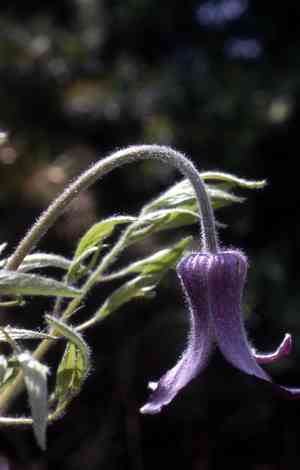
Hairy clematis (Clematis hirsutissima)
Also known as: Lion's beard, Leather flower
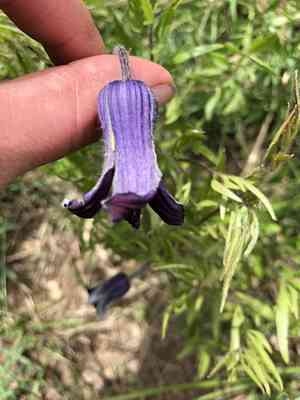
The hairy clematis, aptly named, features tall stalks adorned with a single, dark purple, bell-shaped flower, all covered in fine hairs. Unlike other clematis species, it is not a vine, setting it apart within its genus.
In This Article
Attributes of Hairy clematis
Lifespan
Perennial
Plant Type
Herb, Shrub
Plant Height
15 cm to 61 cm
Spread
N/A
Leaf Color
Green
Flower Size
2-3 cm
Flower Color
Purple Blue
Images of Hairy clematis
Quickly Identify Hairy clematis
1
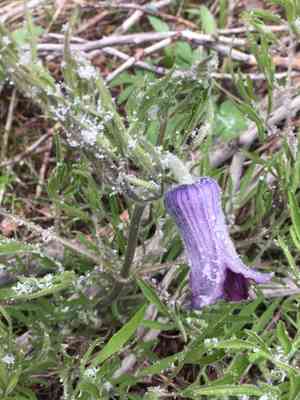
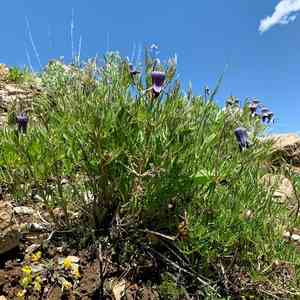
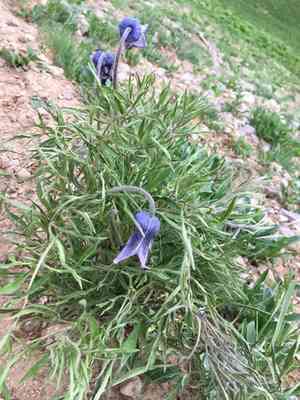
Look for the distinctive bell-shaped, nodding flowers that are usually deep purple or blue. The leaves are pinnately divided, with a fuzzy texture, and the stems are covered in hairs.
Scientific Classification of Hairy clematis
Phylum
Vascular plants
Class
Dicotyledons
Order
Ranunculales
Family
Buttercup
Genus
Clematis
Species
Hairy clematis
Planting and Growing of Hairy clematis
Care Difficulty
Easy
Watering Schedule
Every 3 days
Sunlight Requirements
Full sun
Sunshine Duration
3-6 hours
Ideal Temperature
60-75℉
Soil Type
Potting Mix, Peat Mix
Soil pH
6.5-7.5
Fertilizer Type
Balanced
Pruning Season
Spring, Summer
Pruning Area
Branches, Leaves
Pruning Frequency
2 times a year
Repotting Season
Spring
Pot Type
Plastic, Ceramic
 How to Water Hairy clematis?
Clematis hirsutissima prefers to be watered thoroughly but left to dry out a bit between waterings. Aim to saturate the soil without letting the plant sit in water. A volume of 500 ml per session should suffice to moisten the root zone effectively, ensuring the water reaches deeper layers.
What are the symptoms of an underwatered Hairy clematis?
›
What should I do if my Hairy clematis is not getting enough water?
›
What are the symptoms of an overwatered Hairy clematis?
›
How to save an overwatered Hairy clematis?
›
 What Are the Sunlight Requirements for Hairy clematis?
Clematis hirsutissima benefits from half to full-day sunlight exposure. Adequate light is critical for robust growth and influences flowering time and quantity, enhancing the overall garden aesthetics.
More About Sunlight Requirements Techniques→
What amount of sunlight is ideal for Clematis hirsutissima?
›
How can I achieve the ideal lighting for this plant?
›
What are the benefits of providing ideal light conditions?
›
 What Is the Ideal Temperature Range for Hairy clematis?
The ideal temperature range for Clematis hirsutissima is between 60 and 75 degrees Fahrenheit. In this range, the plant can absorb the nutrients and photosynthesize efficiently, allowing for optimal growth. It's important to maintain consistent temperatures within this range to ensure healthy foliage and ample flowering.
 What Soil is Best for Hairy clematis?
Clematis hirsutissima thrives in well-draining soil that prevents water accumulation around the roots. Proper drainage ensures that the roots receive adequate aeration, promoting stronger and healthier growth while reducing the risk of fungal diseases. The soil should be enriched with moderate organic matter to aid in moisture retention and nutrient supply. Organic matter improves the soil structure, ensuring that roots can penetrate easily and access the nutrients necessary for vibrancy. Clematis hirsutissima prefers soil with a neutral to slightly acidic pH, between 6.5 and 7.5. This pH range optimizes nutrient availability, allowing the plant to effectively absorb essential minerals for robust growth and flowering.
 How to Fertilize Hairy clematis?
Clematis hirsutissima, commonly known as the hairy clematis, requires a balanced fertilizer to thrive. When using liquid fertilizers, apply at a rate of one tablespoon per gallon of water. This ensures that the plant receives adequate nutrients without burning the roots.
 How to Prune Hairy clematis?
Begin by examining the plant for any dead or damaged stems. Remove these to redirect energy to healthy growth. Cut at an angle just above a healthy node to promote healing and growth. Shape your Clematis hirsutissima by cutting back overgrown or leggy stems. This will help maintain the desired size and shape of your plant while promoting fuller growth. Prune back to the main stem or a prominent side shoot to encourage a bushy appearance. Trim back spent flowers and thin out crowded regions. This practice promotes air circulation and light penetration, which invigorates the plant and stimulates fresh blooming, resulting in a healthier and more vibrant display.
 How to Propagate Hairy clematis plant?
1
Fill seed trays with a suitable seed starting mix. Sow the seeds thinly and cover them lightly with the mix. Maintain a temperature of around 20°C and ensure the soil remains moist but not waterlogged, which helps in seed germination.
2
In spring, choose healthy stems and use sharp pruners to take cuttings of about 15 cm in length. Remove the lower leaves and dip the ends in rooting hormone to encourage quicker root development.
3
Carefully dig up mature plants in early spring and divide the root ball with a sharp spade. Make sure each division has a healthy amount of roots and shoots. Replant the divisions at the same depth they were growing before.
 How to Repot Hairy clematis plant?
1
Clematis hirsutissima signals the need for repotting when you observe roots emerging from the drainage holes or becoming root-bound, resulting in reduced growth. Optimal times for repotting are during the early spring or after flowering in autumn, when the plant is less stressed and can quickly adapt to new conditions.
2
Select a pot that is 1-2 inches larger in diameter than the current one. This provides ample space for root expansion, which is crucial for the plant's health and growth. Choose a pot with good drainage holes as Clematis hirsutissima is susceptible to root rot if waterlogged. A clay pot is ideal as it helps absorb moisture and prevent water buildup.
3
Opt for a well-draining potting mix containing equal parts compost, garden soil, and perlite or sand. This blend ensures good aeration and moisture retention without becoming waterlogged, promoting healthy root growth and minimizing the risk of root rot.
Learn More About Hairy clematis Diseases
Anthracnose
Bacterial Leaf Spot
Bacterial Wilt
Black Spot
Chemical Injury
Crown Gall
Cyst Nematode
Damping-off
Downy Mildew
Drought Stress
Fusarium Wilt
Gray Mold
Leaf Curl
Leaf Spot
Mosaic
Nutrient Deficiency
Nutrient Toxicity
Powdery Mildew
Root Rot
Root-knot Nematode
Rusts
Sooty Mold
Spider Mites
Temperature Stress
Thrips Damage
White Mold



