How to Transplant Traveler's-joy?
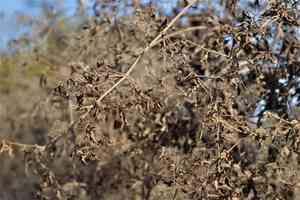
Traveler's-joy flourishes when relocated in the chilly, inactive phases of early spring or late fall, minimizing shock. Select bright spots featuring soil that drains effectively. Perform the transplant during cooler temperatures to assist root development and encourage robust expansion.
What Preparations are Needed Before Transplanting Traveler's-joy?
What is the Ideal Time for Transplanting Traveler's-joy?
Traveler's-joy, a perennial plant, is best moved in early spring or late autumn. These periods offer mild temperatures and sufficient moisture, minimizing transplant shock. Relocating during these times allows the plant to establish roots before the rigors of summer or winter. This fosters robust development and enhances the plant's chances of flourishing in its new spot.
How Much Space Should You Leave Between Traveler's-joy Plants?
When you're ready to relocate traveler's-joy, ensure they are spaced 36-48 inches (90-120 cm) apart. This provides ample room for growth and good air circulation, which is vital for a healthy plant.
What is the Best Soil Mix for Traveler's-joy Transplanting?
Prepare well-draining soil rich in organic material for traveler's-joy. Incorporate a balanced base fertilizer to give the plant a strong start. Loamy soil is optimal, but sandy or clay soils can be improved with compost.
Where Should You Relocate Your Traveler's-joy?
Select a location that receives abundant sunlight for traveler's-joy. Aim for an area that gets at least 6 hours of direct sun daily. This helps the plant thrive and produce beautiful blooms.
What Equipments Should You Prepare Before Transplantation Traveler's-joy?
Gardening Gloves
To safeguard your hands while handling soil and plants.
Shovel or Spade
For digging and lifting the plant from its initial position.
Watering Can
To moisten the soil before and after removing the plant.
Pruning Shears
For trimming any damaged roots or foliage prior to transplanting.
Bucket
To transport the plant from its original spot to the new site.
Garden Fork
For loosening the soil around the root ball.
Mulch
To help retain moisture around the newly transplanted plant.
Stakes and Ties
To support the plant as it settles into its new location.
How Do You Remove Traveler's-joy from the Soil?
How Do You Remove Traveler's-joy from the Soil?
From Ground: First, water the traveler's-joy plant to moisten the soil. Then, dig a wide trench around the plant using a shovel or spade, ensuring the plant's root ball remains intact. Carefully work the spade under the root ball to lift the plant from its original location.From Pot: Gently water the traveler's-joy plant to help loosen the soil. Invert the pot while supporting the plant with your hand, and tap the pot until the plant slides out. If it's stuck, use a garden fork to carefully loosen the edges.From Seedling Tray: Water the seedlings thoroughly. Use a small tool, such as a spoon or a dibber, to carefully lift each traveler's-joy seedling, ensuring you don't harm the delicate roots.
Step-by-Step Guide for Transplanting Traveler's-joy
Site Preparation
Prepare the new planting site by digging a hole twice the size of the root ball. Ensure the hole is deep enough to accommodate the plant's roots without bending.
Root Inspection
Examine the plant's roots for any signs of damage or disease. Trim off any damaged or overly long roots with pruning shears.
Transplanting
Place the traveler's-joy plant in the prepared hole, ensuring the root ball is at the same depth as it was in its original location. Fill in the hole with soil, gently firming it around the plant.
Watering
Thoroughly water the newly transplanted traveler's-joy to help settle the soil and eliminate air pockets.
Mulching
Apply a layer of mulch around the base of the plant to retain moisture and suppress weeds.
Support
If needed, place stakes around the traveler's-joy and tie the plant loosely to provide support as it establishes itself in the new location.
How Do You Care For Traveler's-joy After Transplanting?
Watering
Keep the soil around the traveler's-joy consistently moist, but not waterlogged, for the first few weeks after transplanting to help establish strong roots.
Monitoring
Regularly check the plant for any signs of stress, such as wilting or yellowing leaves, and adjust watering as necessary.
Weeding
Keep the area around the traveler's-joy free of weeds to reduce competition for nutrients and water.
Pruning
Trim any damaged or dead foliage to encourage healthy growth.
Troubleshooting Common Issues with Traveler's-joy Transplantation.
When is the best time to transplant traveler's-joy?
The ideal times to transplant traveler's-joy are early spring, late fall, or early winter.
How much space should I leave between each traveler's-joy?
Ensure that you space each traveler's-joy 36-48 inches (91-122 cm) apart for optimal growth.
How do I prepare the soil for transplanting traveler's-joy?
Prepare rich, well-draining soil, mixing in compost or organic matter to improve nutrient content.
What should I do if traveler's-joy starts wilting after transplanting?
Ensure consistent watering and mulching around the base to retain moisture and reduce stress.
How deep should the hole be for transplanting traveler's-joy?
Dig a hole twice the width and the same depth as the root ball of traveler's-joy.
How much water does traveler's-joy need immediately after transplanting?
Water thoroughly right after transplanting, providing at least 1 inch (2.5 cm) of water weekly.
Should I prune traveler's-joy before or after transplanting?
Prune traveler's-joy lightly before transplanting to remove damaged or weak stems and encourage new growth.
How long does it take for traveler's-joy to establish after transplanting?
Traveler's-joy typically takes a few weeks to a few months to establish, depending on conditions.
What if the leaves of traveler's-joy turn yellow after transplanting?
Check for overwatering or nutrient deficiencies. Adjust watering practices and consider fertilizing if needed.
Can I transplant traveler's-joy in hot weather?
Avoid transplanting in hot weather. Choose early spring, late fall, or early winter instead.



