How to Propagate Traveler's-joy?
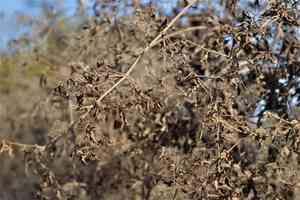
Clematis vitalba, a climbing plant, is recognized for its abundant leaves and appealing blossoms. To propagate successfully, utilize semi-hardwood cuttings obtained at a moderate stage of development. Verify that each cutting possesses 2 to 3 nodes and detach the bottom leaves prior to inserting them into a growing medium that drains efficiently. Position the cuttings in diffused light and sustain moisture levels by misting or employing a plastic enclosure until root formation occurs. Steady hydration is crucial for proper establishment.
Optimal Time for Traveler's-joy Propagation
Propagation Method
Cutting
Propagation Period
Spring,Summer
Tools for Traveler's-joy Propagation
Sharp Bypass Pruners
Utilized for making neat and precise cuts on the stem of traveler's-joy without harming the plant tissue. Clean cuts are vital for disease prevention and robust new growth.
Rooting Hormone
Stimulates root formation on traveler's-joy cuttings. This hormone enhances the probability of successful rooting by encouraging the development of root cells.
Sterile Plastic Containers
These vessels hold traveler's-joy cuttings as they develop roots. Sterility prevents fungal and bacterial infections, ensuring the cuttings remain healthy.
Potting Mix or Perlite
Offers the necessary drainage and aeration for traveler's-joy cuttings. A well-draining medium prevents waterlogging, which can lead to root rot.
Mister
Maintains ideal humidity levels around traveler's-joy cuttings, which is crucial for preventing desiccation and promoting root development.
Heating Mat
Provides consistent warmth to the root zone of traveler's-joy cuttings. This is especially beneficial in cooler climates or during seasons when natural warmth is insufficient for root initiation.
Scalpel or Sharp Knife
Offers precision when taking smaller cuttings of traveler's-joy where pruners might be too cumbersome. Ensures clean cuts to minimize plant stress and reduce infection risk.
Humidity Dome
Helps create a high-humidity environment around traveler's-joy cuttings, essential for reducing water loss and promoting root growth during the initial propagation phase.
How to Propagate Traveler's-joy?
Propagation Difficulty
Moderately Difficult
Caring for Newly Propagated Traveler's-joy
Caring for Newly Propagated Traveler's-joy
Once rooted, transfer traveler's-joy to a larger pot with well-draining soil. Water consistently, allowing the topsoil to dry between waterings. Provide support for climbing, such as a trellis. Ensure traveler's-joy receives partial to full sunlight and protect it from harsh conditions. Prune regularly to encourage healthy growth and flower production.
Common Propagation Mistakes for Traveler's-joy
Overwatering
Excessive moisture can cause root rot, weakening the plant and hindering its growth.
Poor Soil Drainage
Heavy, waterlogged soil can suffocate roots, leading to poor root development and overall plant health.
Inadequate Light
Insufficient sunlight results in weak, leggy growth, as traveler's-joy thrives with ample light.
Using Cuttings with Too Few Nodes
Cuttings with insufficient nodes reduce the chances of successful rooting and growth.
Lack of Air Circulation
Crowded growing conditions can foster fungal infections and pest infestations, harming young plants.
Tips for Propagating Traveler's-joy
Ensure Proper Watering
Keep the soil consistently moist but not saturated. Use well-draining soil to prevent root rot.
Select Suitable Soil
Utilize a lightweight, well-draining potting mix to encourage healthy root development.
Provide Adequate Light
Place cuttings in a bright spot with indirect sunlight to promote strong growth.
Choose Cuttings with Multiple Nodes
Select stem cuttings with at least three nodes to improve the likelihood of successful propagation.
Maintain Good Air Circulation
Space cuttings adequately and ensure proper airflow to reduce the risk of fungal diseases and pests.



