How to Transplant Western springbeauty?
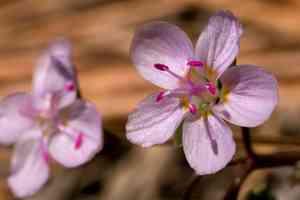
Western springbeauty flourishes when relocated in the middle of spring or the latter part of winter, benefiting from more moderate temperatures. Select a site with good drainage and partial shade. Verify that the soil possesses ample organic content for peak development.
Essential Preparations Before Relocating Western Springbeauty
Optimal Timing for Western Springbeauty Relocation?
Western springbeauty, a perennial, benefits most from being moved during early spring or early winter when it's dormant. These periods minimize transplant shock and aid in establishing robust root systems before active growth. Relocating western springbeauty during these seasons ensures peak vitality and resilience, setting the stage for healthy blooming cycles.
Recommended Spacing Between Western Springbeauty Plants?
Ensure to position your western springbeauty plants 6-12 inches (15-30 cm) apart. This allows them to develop healthily without competing for resources.
Ideal Soil Mixture for Western Springbeauty Relocation?
Prepare well-draining soil enriched with compost or a balanced, slow-release fertilizer. This supplies vital nutrients and supports vigorous growth for your western springbeauty.
Optimal Location for Your Western Springbeauty?
Select a site with partial to full sunlight. Western springbeauty thrives best in areas receiving 3-6 hours of gentle sunlight daily.
Equipment Needed Before Relocating Western Springbeauty?
Gardening Gloves
To safeguard your hands while handling soil and plants.
Shovel or Spade
For excavating and loosening the earth around the plant.
Trowel
Useful for digging small holes and working in confined spaces.
Watering Can or Hose
To hydrate the plant before and after relocation.
Wheelbarrow or Bucket
To move the plant if necessary.
Mulch
To help retain moisture and regulate soil temperature.
How to Extract Western Springbeauty from the Ground?
How to Extract Western Springbeauty from the Ground?
From Ground: First, water the western springbeauty plant to moisten the soil. Then, dig a wide trench around the plant using a shovel or spade, ensuring the plant's root ball remains intact. Carefully work the spade under the root ball to lift the plant from its original location.From Pot: Water the western springbeauty plant thoroughly. Gently invert the pot while supporting the plant with your hand, and tap the bottom of the pot to loosen the root ball. Carefully slide the plant out.From Seedling Tray: Water the seedlings well to make the soil easier to manage. Use a trowel or your fingers to gently loosen the soil around each seedling. Carefully lift each seedling by its leaves or root ball, not the stem, to prevent damage.
Step-by-Step Guide for Relocating Western Springbeauty
Preparation
Water the western springbeauty plant in its original spot a few hours before relocating to reduce stress and facilitate removal.
Site Preparation
Prepare the new planting site by digging a hole that is twice as wide and the same depth as the root ball of the western springbeauty plant.
Soil Enhancement
If needed, enrich the soil in the new location with compost or organic matter to boost its fertility and structure.
Relocation
Place the western springbeauty plant into its new hole, ensuring the top of the root ball is level with the surrounding soil. Fill the hole with soil, gently firming it around the root ball to eliminate air pockets.
Watering
Thoroughly water the western springbeauty plant immediately after relocating to settle the soil and initiate the establishment process.
Mulching
Apply a layer of mulch around the base of the western springbeauty plant to retain moisture and control weeds, keeping the mulch a few inches away from the stem to prevent rot.
Post-Relocation Care for Western Springbeauty
Watering
Keep the soil around the western springbeauty consistently moist, but not waterlogged, for the first few weeks after relocating to help establish strong roots.
Monitoring
Regularly check the western springbeauty plant for signs of stress, such as wilting or yellowing leaves, and provide additional water or shade as needed.
Support
If the western springbeauty plant appears unstable, provide support with stakes or a small trellis until it stabilizes.
Addressing Common Issues During Western Springbeauty Relocation.
When is the best time to relocate western springbeauty?
The ideal time to relocate western springbeauty is in early spring or early winter.
How far apart should I space western springbeauty?
Western springbeauty plants should be spaced 6-12 inches (15-30 cm) apart for optimal growth.
What kind of soil is best for western springbeauty?
Western springbeauty thrives in well-draining, slightly acidic to neutral soil with good organic matter.
How much water does western springbeauty need after relocating?
Water western springbeauty thoroughly after relocating, and keep the soil consistently moist but not waterlogged.
Should I fertilize western springbeauty when relocating?
It's best to mix a balanced, slow-release fertilizer into the soil when relocating western springbeauty.
How do I prepare western springbeauty for relocating?
Dig around western springbeauty carefully to preserve root integrity. Replant immediately at the same depth.
What should I do if western springbeauty shows relocation shock?
Keep western springbeauty well-watered and out of direct, strong sunlight. Mulch to conserve soil moisture.
Can I relocate western springbeauty in summer?
Relocating western springbeauty in summer is not recommended due to higher stress and lower moisture levels.
How deep should I plant western springbeauty after relocating?
Plant western springbeauty at the same depth it was growing before to prevent root stress.
What if western springbeauty wilts after relocating?
Wilting is common. Ensure it is watered properly and protected from intense sun or wind.



