How to Prune Western springbeauty?
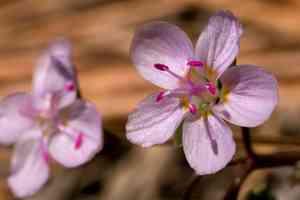
Claytonia lanceolata is a fragile, ground-hugging perennial characterized by its unique pink blossoms. Perform trimming in late winter or early spring to eliminate deceased or injured foliage and stimulate robust new stems. Concentrate on snipping off faded flowers and refining the plant's overall shape. Consistent trimming also fosters abundant flowering throughout the cultivation period. Exercise care to retain its inherent, elegant look, especially as Claytonia lanceolata thrives with limited interference. Adhere to these recommendations for peak development and visual charm.
What Are the Benefits of Pruning Western Springbeauty?
What Are the Benefits of Pruning Western Springbeauty?
Trimming western springbeauty encourages robust development and helps maintain its form. Regular trimming fosters vigorous new shoots and prevents congestion, improving air flow and lowering disease risk. It also boosts flowering by channeling energy to existing buds.
What Is the Best Time for Pruning Western Springbeauty?
What Is the Best Time for Pruning Western Springbeauty?
Pruning western springbeauty in early spring or late winter is ideal, allowing the plant to recover before its active growth phase. This timing avoids disrupting the bloom period, ensuring the plant stays healthy and strong. Additionally, pruning during these seasons helps manage the plant's shape and removes dead or damaged growth, enhancing overall plant health and promoting abundant flowering. These seasons are chosen to align with western springbeauty's natural dormancy, minimizing stress and promoting efficient healing post-pruning.
What Tools Do I Need to Prune Western Springbeauty?
Hand Pruners
Crucial for accurate cuts on delicate stems and small growths. Given western springbeauty's modest size, sharp hand pruners help manage shape and encourage healthy growth without harming the plant.
Bypass Pruners
Suitable for making clean cuts on tender stems. Bypass pruners are preferred for western springbeauty as they minimize damage and ensure smooth healing of cuts.
Pruning Scissors
Perfect for detailed trimming tasks, especially useful for removing spent flowers and trimming dead or yellowing leaves on western springbeauty.
Small Shears
Helpful for trimming larger sections while maintaining a neat, consistent appearance. Small shears are appropriate given the limited size and delicate nature of western springbeauty.
Disinfectant Wipes or Solution
Important for sanitizing tools before and after use to prevent the spread of disease among plants. Regular disinfection is crucial for maintaining western springbeauty's health.
How to Prune Western Springbeauty
Select Tools
Utilize sharp, clean pruning shears or scissors to prevent plant damage and reduce disease transmission.
Inspect Plant
Carefully examine western springbeauty to identify any diseased or withered leaves that require removal.
Remove Diseased Leaves
Trim off any leaves showing signs of disease, such as discoloration or spots, cutting back to healthy tissue to halt spread.
Trim Withered Leaves
Cut away any withered or dead leaves near their base, ensuring not to harm the main stems or new growth points.
Dispose Properly
Properly dispose of removed leaves, away from healthy garden plants, to prevent potential disease transmission.
Common Pruning Mistakes with Western Springbeauty
Overpruning
Removing too much foliage can stress western springbeauty and hinder its growth and blooming capabilities.
Improper technique
Using dull or dirty pruning tools can cause damage to western springbeauty, potentially leading to disease or poor regrowth.
Incorrect cuts
Making cuts too close to the main stem or at the wrong angle can harm the plant and result in weak new growth.
Not sanitizing tools
Failing to clean pruning tools between cuts or plants can spread diseases.
Common Pruning Tips for Western Springbeauty
Use sharp tools
Always use sharp, clean pruning tools to make clean cuts, minimizing stress and the risk of disease.
Make precise cuts
Trim just above a node or a set of leaves, ensuring cuts are clean and angled slightly to direct moisture away.
Remove dead or damaged growth
Focus on removing any dead or damaged stems and foliage to promote healthy growth and air circulation.
Thin selectively
Thinning out crowded growth can improve air circulation and light penetration, encouraging vigorous growth and better blooming.



