How to Propagate Western springbeauty?
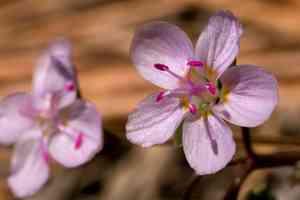
Claytonia lanceolata flourishes in stony, adequately drained substrates and favors dappled sunlight. For reproduction, broadcast seeds directly into the ground, ensuring steady hydration without saturation. Ready the earth by aerating it and eliminating undesirable plants. Lightly blanket the seeds with earth and observe for sprouting. Young plants require safeguarding from harmful organisms and ought to be appropriately distanced to foster development. Utilize natural ground cover to preserve soil dampness and inhibit weed proliferation, thereby improving general vigor.
Optimal Time for Western Springbeauty Propagation
Propagation Method
Seeding
Propagation Period
Spring
Tools for Western Springbeauty Propagation
Seed Trays
Seed trays offer a controlled setting for western springbeauty seeds to sprout. They aid in organizing seeds and maintaining consistent moisture, vital for early growth stages of western springbeauty.
Fine Seed Potting Mix
Employing a fine seed potting mix ensures delicate western springbeauty seeds are in a medium that holds moisture well and supplies necessary nutrients without excessive weight.
Humidity Dome
A humidity dome helps maintain high moisture levels around western springbeauty seeds and young seedlings, fostering successful germination and robust initial development.
Watering Can with Fine Rose
A watering can equipped with a fine rose attachment distributes water evenly without dislodging western springbeauty seeds. This preserves the potting mix structure and keeps seeds in place.
Heat Mat
A heat mat delivers consistent bottom warmth, which can boost western springbeauty germination rates by keeping the soil at an ideal temperature.
Seedling Grow Light
As western springbeauty needs ample light for healthy development, a seedling grow light ensures young plants receive sufficient illumination, especially when natural sunlight is scarce.
Labels and Marker
Accurate labeling of trays with the western springbeauty name and sowing date is crucial for tracking progress and care requirements at different growth phases.
Spray Bottle
A spray bottle assists in gently misting western springbeauty seeds and seedlings, ensuring they stay damp but not waterlogged, which is perfect for fragile young plants.
How to Propagate Western Springbeauty?
Propagation Type
Simple
Caring for Newly Propagated Western Springbeauty
Caring for Newly Propagated Western Springbeauty
Once sprouted, gradually introduce western springbeauty seedlings to outdoor conditions by providing filtered sunlight and ensuring the soil remains moderately moist. Transplant seedlings to their permanent spot when robust enough, spacing them appropriately to prevent crowding. Regularly check for pests and diseases, and ensure they receive adequate light and moisture to flourish.
Common Propagation Errors for Western Springbeauty
Overwatering
Excessive moisture can lead to root rot and fungal infections, severely impacting western springbeauty's health and reducing successful propagation chances.
Poor Soil Drainage
Using soil that retains too much water can suffocate roots, causing decay and ultimately killing the plant.
Insufficient Light
Lack of adequate light can impede photosynthesis, resulting in weak, leggy growth that may struggle to establish when propagated.
Incorrect Planting Depth
Planting seeds or transplants too deep or too shallow can hinder proper root development and lead to poor establishment.
Neglecting Pests
Failing to monitor for pests can allow infestations to grow unchecked, potentially destroying young plants and compromising propagation efforts.
Tips For Propagating Western Springbeauty
Use Well-Draining Soil
Select a soil mix that offers good drainage to prevent waterlogging and root rot, promoting healthier root development for western springbeauty.
Moderate Watering
Water the plant just enough to keep the soil slightly moist but not soggy, balancing the plant's hydration needs without risking root rot.
Provide Adequate Light
Position western springbeauty where it receives sufficient light, preferably indirect sunlight, to encourage vigorous and healthy growth.
Correct Planting Depth
Ensure seeds or transplants are placed at the appropriate depth to encourage optimal root establishment and avoid planting stress.
Monitor for Pests
Regularly check for signs of pests and disease, and address any issues promptly to protect young plants and improve propagation success.



