How to Transplant Venezuelan treebine?
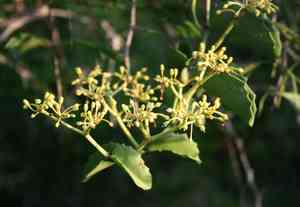
To achieve optimal outcomes, relocate venezuelan treebine from late spring into early summer, as warmth aids in root development. Select a location that receives ample sunlight and drains effectively, amending the soil if necessary. Handle with care to prevent root trauma.
What Preparations are Needed Before Transplanting Venezuelan Treebine?
What is the Ideal Time for Transplanting Venezuelan Treebine?
The optimal period for relocating venezuelan treebine falls between the vitality of late spring and the warmth of early summer. This timeframe provides mild temperatures and consistent daylight, promoting root establishment and minimizing transplant shock. Your venezuelan treebine will thrive with the balance of cool evenings and increasingly warm days, encouraging robust development. Moving your plant during this season ensures it maximizes the upcoming growth months, settling into its new location with minimal difficulty. Remember, successful transplantation begins with careful planning and gentle handling – prepare to welcome the growing season with your flourishing venezuelan treebine!
How Much Space Should You Leave Between Venezuelan Treebine Plants?
When relocating your venezuelan treebine, aim to provide each plant ample room to thrive. Position them approximately 12-24 inches (30-61 cm) apart. This spacing allows their abundant foliage to spread without overcrowding, ensuring healthy development for every venezuelan treebine.
What is the Best Soil Mix for Venezuelan Treebine Transplanting?
Your venezuelan treebine will flourish in a rich, well-draining soil environment. Prior to planting, incorporate some organic compost to enrich the soil. A balanced slow-release fertilizer can also provide an excellent start for your venezuelan treebine's growth journey.
Where Should You Relocate Your Venezuelan Treebine?
Select a location for your venezuelan treebine that receives partial sunlight with some shade, particularly during the hottest part of the day. This will ensure your venezuelan treebine gets the necessary light without being scorched by intense midday sun.
What Equipments Should You Prepare Before Transplantation Venezuelan Treebine?
Gardening Gloves
To safeguard your hands while handling soil and the plant.
Shovel or Spade
For excavating and moving earth.
Watering Can or Hose
To hydrate the plant before and after relocation.
Pruning Shears
For trimming any damaged roots or foliage.
Measuring Tape
To ensure correct spacing between transplanted specimens.
Wheelbarrow or Garden Cart
To transport the plant and soil.
Plant Support Stakes
For stabilizing venezuelan treebine after transplanting, if required.
How Do You Remove Venezuelan Treebine from the Soil?
How Do You Remove Venezuelan Treebine from the Soil?
From Ground: Moisten the venezuelan treebine to soften the soil, making it easier to manage. Carefully dig a trench around the plant using a shovel or spade, taking care not to harm the root system. Angle the spade beneath the plant to lift it from the ground, keeping the soil intact around the roots.From Pot: Hydrate the venezuelan treebine and gently tap the pot's sides to loosen the soil. Invert the pot, cradling the plant's base with one hand while easing it out with the other. If the plant resists, you may need to roll the pot or press its sides.From Seedling Tray: Water the soil in the tray to prevent root damage. Use a spoon or a transplanting trowel to lift the section of soil containing the seedling's root ball. Support the plant gently to avoid physical harm.
Step-by-Step Guide for Transplanting Venezuelan Treebine
Transplant Timing
Relocate either in the early morning or late afternoon to prevent stress from midday heat on venezuelan treebine. Ensure the soil is neither too wet nor too dry before commencing the process. The timing of the transplant is vital for the survival and adaptation of venezuelan treebine.
Preparing the Hole
Excavate a hole twice the width of the venezuelan treebine's root ball and of equal depth. Loosen the soil at the base and sides of the hole to allow roots to spread easily.
Plant Installation
Position venezuelan treebine in the center of the hole, ensuring it stands upright. The top of the root ball should be level with the ground surface. Backfill the hole with soil, gently firming around the root ball to eliminate air pockets.
Soil Adjustment
After planting, create a small soil berm around the perimeter of the hole, which helps retain water and directs it to the root zone. Avoid mounding soil against the stem of venezuelan treebine.
Watering In
Thoroughly water the venezuelan treebine immediately after planting. This aids in settling the soil around the roots and removes air gaps. Ensure water penetrates deeply.
Stabilizing
If necessary, install plant support stakes now to help venezuelan treebine remain upright and stable as it adjusts to its new location.
Monitoring
Over the next few days, observe the plant for signs of transplant shock, such as wilting or discolored leaves, and address any issues promptly.
How Do You Care For Venezuelan Treebine After Transplanting?
Mulching
Apply a layer of mulch around venezuelan treebine to help retain moisture, regulate soil temperatures, and reduce weed competition without touching the plant's main stem.
Support Check
Regularly inspect any installed stakes or supports to ensure they are still effectively assisting venezuelan treebine without harming the stem or branches as it grows.
Pest and Disease Monitoring
Keep an eye out for any indications of pests or diseases, which venezuelan treebine might be more susceptible to after transplanting. Address any concerns early with appropriate interventions.
Adjustment Observation
Observe venezuelan treebine's adaptation to its new environment over several weeks, being prepared to modify care as the plant establishes.
Troubleshooting Common Issues with Venezuelan Treebine Transplantation.
What's the best time to transplant venezuelan treebine?
For optimal results, move venezuelan treebine during the season of renewal, specifically late spring to early summer.
How far apart should I plant venezuelan treebine?
Plant venezuelan treebine with a generous berth, spacing them ideally 12-24 inches (30-60 cm) apart to ensure healthy growth.
My venezuelan treebine looks wilted after transplanting, what should I do?
Don't worry! Wilt is common post-transplant. Ensure adequate water, shade from strong sun, and it should recover swiftly.
What's the ideal depth for transplanting venezuelan treebine's root ball?
The root ball should be nestled into a hole that matches its original depth, ensuring a cozy fit.
Should I prune venezuelan treebine before transplanting?
Trimming back can reduce stress. Just a snip here and there to remove dead leaves or overgrowth will suffice!
How much should I water venezuelan treebine after transplanting?
Give venezuelan treebine a thorough soaking immediately after transplanting to help ease the shock and settle the soil.
What signs of distress should I look for after transplanting venezuelan treebine?
After moving venezuelan treebine, watch for drooping leaves or discoloration, both signs they're seeking more care or water.
How can I tell if I've planted venezuelan treebine too deep or shallow?
If leaves yellow or roots surface, it may be too shallow. Buried stems or leaf loss indicate too deep.
Is it important to use fertilizer after transplanting venezuelan treebine?
While not urgent, feeding venezuelan treebine a balanced, slow-release fertilizer post-transplant can encourage more vigorous growth.
Can I transplant venezuelan treebine from a pot to the ground?
Absolutely! Gradually acclimate venezuelan treebine to outside conditions over a week, then plant at the same depth as in the pot.



