How to Prune Venezuelan treebine?
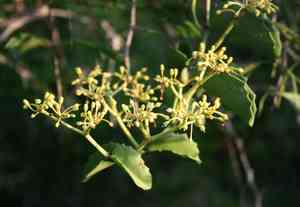
Venezuelan treebine, a rapidly developing evergreen climbing plant, benefits significantly from consistent trimming to preserve its form and stimulate denser foliage. Perform pruning in late winter or early spring, prior to the emergence of new shoots. Eliminate any deceased or frail stems, and shorten undesirable tendrils to boost vitality and improve light exposure. This practice helps avert a sparse appearance and sustains the plant's aesthetic value. Given venezuelan treebine's swift growth, routine pruning is also crucial for controlling its dimensions within a specific area, thereby enhancing its ornamental quality.
What Are the Benefits of Pruning Venezuelan Treebine?
What Are the Benefits of Pruning Venezuelan Treebine?
Trimming venezuelan treebine promotes vigorous development and helps maintain its desired form. By eliminating overgrown or dead stems, venezuelan treebine can reallocate energy to healthy sections, ensuring a strong and appealing look.
What Is the Best Time for Pruning Venezuelan Treebine?
What Is the Best Time for Pruning Venezuelan Treebine?
The optimal times to prune or trim venezuelan treebine are late winter and early spring. This timing coincides with the plant's dormant phase, when active growth is minimal, allowing it to recover quickly as the growing season commences. Pruning during late winter helps prevent pests and diseases from entering fresh cuts, as they are less active in colder periods. Early spring pruning can revitalize venezuelan treebine, stimulating new and healthy growth while minimizing the risk of harming emerging shoots. This also enables the gardener to shape the plant and manage its size before the vigorous growth phase begins, ensuring a compact, well-structured appearance. Additionally, any dead or damaged tissue from winter stress can be removed, enhancing overall plant health.
What Tools Do I Need to Prune Venezuelan Treebine?
Sharp Bypass Pruners
These are crucial for making clean cuts on small to medium-sized stems of venezuelan treebine, aiding in disease prevention and encouraging healthy regrowth.
Pruning Scissors
Perfect for precise trimming of venezuelan treebine's delicate tendrils and smaller leaves, allowing for shaping and control of the plant's development.
Gloves
Wearing gloves is advisable to protect the gardener's hands from potential irritation when handling venezuelan treebine.
Cleaning Solution for Tools
To prevent the spread of pathogens, it's vital to clean the blades of pruning tools before and after use on venezuelan treebine.
Ladder
For venezuelan treebine species that have climbed or are located in hard-to-reach areas, using a ladder will assist in safe pruning practices.
How to Prune Venezuelan Treebine
Sterilization
Sanitize pruning tools using a solution of 1 part bleach to 9 parts water or rubbing alcohol to prevent the spread of disease to venezuelan treebine.
Identification
Carefully examine venezuelan treebine to identify diseased or withered leaves that need removal, looking for discoloration, spots, or signs of decay.
Cutting
Cut diseased and withered leaves at their base where they meet the stem or main branch, using sharp pruning shears to make clean cuts without tearing venezuelan treebine's tissue.
Disposal
Discard the removed foliage in a way that prevents the spread of any pathogens; do not compost diseased or withered leaves from venezuelan treebine.
Cleanup
Clean the work area and sterilize the pruning tools again after finishing to maintain good hygiene and prevent cross-contamination to other plants.
Common Pruning Mistakes with Venezuelan Treebine
Over-pruning
Removing too much of venezuelan treebine's foliage at once can stress the plant and hinder growth. This can lead to fewer leaves and a less lush appearance.
Improper tool usage
Using dull or dirty tools can cause jagged cuts and expose venezuelan treebine to infections. Clean, sharp tools are essential for a clean cut and a healthier plant.
Unselective cutting
Venezuelan treebine's vines should be pruned with purpose, targeting overgrown or unhealthy parts. Random cuts can result in an unbalanced appearance and harm the plant's structure.
Ignoring plant health
Attempting to prune when venezuelan treebine is unhealthy or stressed can worsen existing issues. Assess venezuelan treebine's health before pruning.
Neglecting disease management
If any pruned parts of venezuelan treebine show signs of disease, they should be removed from the vicinity and not composted to prevent the spread of pathogens.
Common Pruning Tips for Venezuelan Treebine
Methodical approach
Focus on pruning to shape venezuelan treebine, maintain its size, or remove any dead, damaged, or diseased foliage. A thoughtful approach encourages a robust and attractive plant.
Promote airflow
Thin out dense areas to allow light and air to reach the inner sections of venezuelan treebine, promoting healthier growth and reducing the risk of fungal diseases.
Encourage branching
Pinch off the tips of new growth to stimulate branching and create a fuller plant. This is particularly helpful for young or leggy venezuelan treebine plants.
Sequential pruning
Venezuelan treebine is resilient, but to avoid shock, it's better to prune progressively over time rather than all at once, especially for shaping or size reduction.
Sanitize tools
Before and after pruning venezuelan treebine, cleanse the tools with isopropyl alcohol or a bleach solution to prevent the potential spread of disease.



