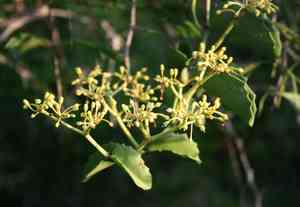
Venezuelan treebine (Cissus rotundifolia)
Also known as: Arabian Waxleaf, Grape Ivy, Arabian Grape
In Hawaii, the invasive weed Miconia (Miconia calvescens) poses a significant threat. Known for its rapid growth, it climbs over, strangles, and shades out native vegetation, disrupting local ecosystems.
In This Article
Attributes of Venezuelan treebine
Lifespan
Perennial
Plant Type
Vine, Shrub
Plant Height
1 to 3 meters when mature and supported
Spread
Can spread up to 1 meter
Leaf Color
Glossy Green
Flower Size
Small, about 0.5 cm
Flower Color
Greenish
Images of Venezuelan treebine
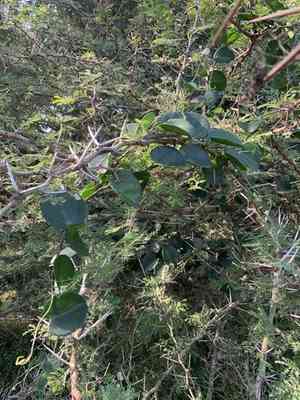
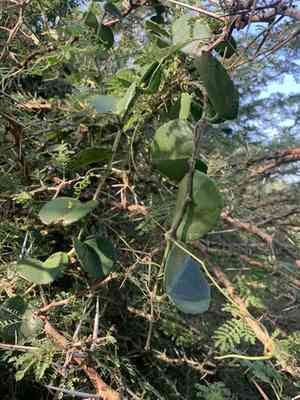
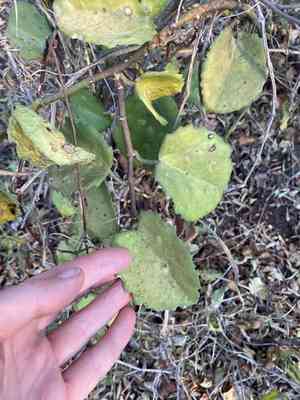
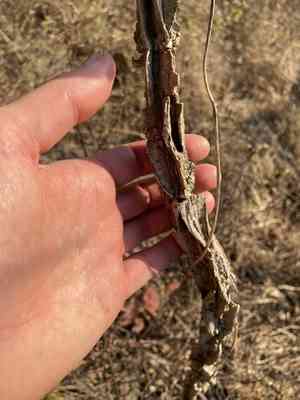
Quickly Identify Venezuelan treebine
1
Identify Cissus rotundifolia by its round, shiny, green leaves which are thick and fleshy. The leaves are usually spaced alternately on the vine. The plant may produce small, insignificant greenish flowers.
Scientific Classification of Venezuelan treebine
Phylum
Vascular plants
Class
Dicotyledons
Order
Vitales
Family
Grape
Genus
Treebine
Species
Venezuelan treebine
Planting and Growing of Venezuelan treebine
Care Difficulty
Easy
Watering Schedule
Every 3 days
Sunlight Requirements
Partial sun
Sunshine Duration
6-10 hours
Ideal Temperature
60-75℉
Soil Type
Potting Mix, Peat Mix
Soil pH
6.5-7.5
Fertilizer Type
Balanced
Pruning Season
Spring, Summer
Pruning Area
Branches, Leaves
Pruning Frequency
2 times a year
Repotting Season
Spring
Pot Type
Plastic, Terracotta
 How to Water Venezuelan treebine?
When watering Cissus rotundifolia, it's crucial to ensure that the soil is moistened evenly but not waterlogged. About 200 ml of water per session should suffice, depending on the size of the pot and the plant's environmental conditions. Always aim to keep the soil slightly damp to prevent underwatering.
What are the symptoms of an underwatered Venezuelan treebine?
›
What should I do if my Venezuelan treebine is not getting enough water?
›
What are the symptoms of an overwatered Venezuelan treebine?
›
How to save an overwatered Venezuelan treebine?
›
 What Are the Sunlight Requirements for Venezuelan treebine?
Cissus rotundifolia ideally enjoys partial sun, resulting in strong, healthy growth with vibrant foliage. Suitable lighting optimizes photosynthesis, boosting energy production and leading to a robust plant.
Ideal Light Amount
›
Solution for Ideal Lighting
›
Benefits of Optimum Light
›
 What Is the Ideal Temperature Range for Venezuelan treebine?
The ideal temperature range for Cissus rotundifolia falls between 60 and 75 degrees Fahrenheit. This range allows for optimal physiological processes necessary for growth and development, ensuring the plant maintains healthy foliage and overall vitality.
 What Soil is Best for Venezuelan treebine?
Cissus rotundifolia thrives in soil that allows excess water to drain away efficiently. This prevents root rot, a common issue when water stagnates around the root system. Ensuring good drainage is vital for the overall health of the plant. It benefits from soil rich in organic matter, providing essential nutrients that promote strong growth and vibrant foliage. Well-fertilized soil ensures the plant can sustain its lush greenery and supports the development of robust growth. While good drainage is necessary, Cissus rotundifolia also requires soil that retains some moisture, ensuring the plant's roots remain hydrated without being waterlogged. Effective moisture retention supports plant hydration and health.
 How to Fertilize Venezuelan treebine?
Cissus rotundifolia prefers moderate fertilization. For liquid fertilizer, use half-strength to avoid stressing the plant. When using slow-release fertilizers, apply them sparingly to maintain balanced growth. Over-fertilizing can lead to salt buildup, which the plant dislikes.
 How to Prune Venezuelan treebine?
Start by examining your Cissus rotundifolia to identify any diseased, damaged, or dead leaves and stems. Use clean, sharp pruning shears to make cuts at a 45-degree angle to prevent water accumulation and potential rot. Remove excess vines to shape the plant as desired. Aim to maintain an open structure to facilitate air circulation, which helps prevent pests and diseases. Avoid cutting more than a third of the plant at a time to avoid undue stress. Use the cuttings to propagate new plants or compost them responsibly.
More About Pruning Techniques→
 How to Propagate Venezuelan treebine plant?
1
Choose a healthy, non-flowering stem for your cutting. Cut a 4-6 inch section using clean pruning shears, ensuring the cut is just below a node.
2
Remove the leaves from the lower half of the cutting to reduce water loss and improve the chances of root development when planted.
3
Dip the cut end of the cutting in rooting hormone and plant it in a pot with well-draining soil. Water well and cover with a plastic bag to retain humidity.
 How to Repot Venezuelan treebine plant?
1
The Cissus rotundifolia shows readiness for repotting when its roots begin to circle the pot or protrude from the drainage holes. Another telltale sign is when water seems to rush through the pot without being absorbed properly, indicating root congestion. Spring and summer are the ideal times for repotting, as the plant is in its active growing phase, minimizing shock.
2
Selecting the right pot for Cissus rotundifolia is crucial. Opt for a container that is only a couple of inches larger in diameter than the current pot to prevent overwatering issues caused by soil remaining wet for too long. A pot with good drainage is essential, as it helps prevent root rot and allows excess water to escape easily.
3
Choose a well-draining potting mix for Cissus rotundifolia. It's vital that the soil allows air circulation around the roots while retaining enough moisture to support the plant. A blend with equal parts of peat, perlite, and horticultural sand works well, benefiting the plant by preventing waterlogging and encouraging healthy root growth.



