How to Transplant New mexico thistle?
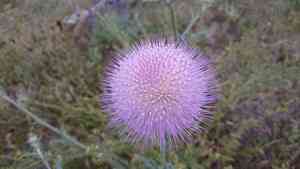
The ideal period for transplanting new mexico thistle spans from mid-spring to early summer, when the ground is warm but not excessively hot. Position new mexico thistle in a brightly lit area with soil that drains effectively to encourage robust development. Exercise caution to safeguard the root system's health throughout the procedure.
Essential Preparations Before Relocating New Mexico Thistle?
When is the Best Time to Move New Mexico Thistle?
The best time to move new mexico thistle is from late spring until just before flowering, taking advantage of warm weather and active growth. Transplanting during these months aligns with natural cycles, encouraging strong root and leaf development. A helpful hint: ensuring new mexico thistle is moved during this ideal period sets it up for successful establishment!
How Much Distance Should Be Maintained Between New Mexico Thistle Plants?
Hello, gardening enthusiast! For your new mexico thistle, aim to provide ample room for optimal growth—approximately 18-24 inches (45-60 cm) apart should be sufficient. This spacing allows each plant adequate area to develop robustly!
What is the Optimal Soil Blend for New Mexico Thistle Transplanting?
Your new mexico thistle will flourish in a location with well-draining soil, rich in organic material. Before transplanting, incorporate some compost or a balanced, slow-release fertilizer to give them a strong start and nourish their root system!
Where Should You Replant Your New Mexico Thistle?
Select a sunny spot in your garden that receives at least 6 hours of direct sunlight daily for your new mexico thistle. These sun-loving plants require their daily dose of light, much like us. A location with some afternoon shade would be excellent during the hottest parts of the day!
What Tools Should You Prepare Before Transplanting New Mexico Thistle?
Gardening Gloves
To safeguard your hands while handling soil and plants.
Shovel or Spade
For excavating the plant and preparing the new planting site.
Hand Trowel
Useful for minor adjustments and placing young plants.
Watering Can or Hose
To hydrate the plant before and after its relocation.
Pruning Shears
For trimming any dead or overgrown parts.
Wheelbarrow or Garden Cart
To move the plant and soil if necessary.
Garden Fork
To loosen the soil around the plant's root mass during extraction.
Root Pruning Saw (if applicable)
For cutting through larger roots when moving from the ground.
Soil Amendment (as recommended)
To enrich the soil at the new location if required.
How to Extract New Mexico Thistle from the Soil?
How to Extract New Mexico Thistle from the Soil?
From Ground: Start by watering the new mexico thistle plant to soften the soil. Dig a wide circle around the plant, being careful not to harm the root system. Use a garden fork to loosen the soil and gently lift the root ball from underneath, ensuring as much of the root structure as possible remains intact.From Pot: Water the new mexico thistle thoroughly. Turn the pot on its side and gently tap to release the soil's grip. Hold the base of the stems, or the pot itself, and carefully slide the plant out. Inspect the roots and untangle or trim if they are circling the bottom.From Seedling Tray: Water the seedlings to keep their roots moist during removal. Use a hand trowel or similar tool to carefully scoop out each new mexico thistle seedling, making sure to include the root ball and surrounding soil.
Detailed Guide for Transplanting New Mexico Thistle
Hole Preparation
Dig a hole in the ground that is twice as wide and equal in depth to the root ball of the new mexico thistle.
Root Ball Examination
Examine the root ball and gently separate any circling roots to encourage outward growth.
Plant Positioning
Place the new mexico thistle in the center of the hole at the same depth it was previously growing. Spread the roots outwards.
Backfilling
Carefully refill the hole with the excavated soil, adding any necessary soil amendments, and gently firm it down without excessive compaction.
Initial Watering
Water the new mexico thistle thoroughly after planting to settle the soil around the roots and eliminate any air pockets.
Support
Add necessary supports like stakes or ties if the new mexico thistle needs them to stay upright and stable. However, be careful not to damage the root system while doing so.
Mulching
Apply a layer of mulch around the base of the new mexico thistle to retain moisture and suppress weed growth, ensuring the mulch does not touch the stem.
How to Care for New Mexico Thistle After Transplanting?
Watering Consistency
Ensure the soil around the new mexico thistle remains moist, especially during the initial weeks, to aid root establishment without causing waterlogging.
Growth Monitoring
Observe the new mexico thistle for signs of stress such as wilting or discoloration, and take appropriate action to maintain healthy growing conditions.
Pruning
Remove any dead or damaged foliage to direct energy towards new growth and reduce the risk of disease.
Protection
Shield the new mexico thistle from pests and harsh weather using covers or barriers if needed, particularly when the plant is young and establishing.
Resolving Common Issues with New Mexico Thistle Transplantation.
Why is my new mexico thistle wilting after being moved?
Wilting might be due to root disturbance or transplant shock. Ensure gentle handling and provide sufficient watering to help your new mexico thistle recover.
What's the best period to transplant new mexico thistle for optimal growth?
The ideal time to transplant new mexico thistle is during mild weather in late spring to early summer, which offers prime growing conditions.
How much space do new mexico thistle require when transplanted?
Give new mexico thistle ample room to grow by spacing them 18-24 inches (45-60 cm) apart. This promotes good air circulation and minimizes competition.
What should I do if my new mexico thistle doesn't bloom after transplanting?
Be patient, as new mexico thistle may need time to establish. Ensure they receive adequate sunlight and water, and avoid high-nitrogen fertilizers that promote leaf growth over flowers.
What soil conditions are most suitable for transplanting new mexico thistle?
Transplant new mexico thistle into well-draining soil enriched with organic matter. These conditions foster healthy root development and prevent waterlogging.
How often should I water new mexico thistle after transplanting?
Initially, water deeply to encourage root growth. Keep the soil consistently moist but not saturated, reducing frequency as new mexico thistle become established.
Can I transplant new mexico thistle in full sun?
Absolutely! New mexico thistle thrive in full sun but can also tolerate partial shade. Just ensure they receive enough light to support vigorous growth.
Why are the leaves of my transplanted new mexico thistle turning yellow?
Yellow leaves can indicate overwatering or poor drainage. Adjust your watering schedule and ensure the soil drains well to prevent root rot.
What's the best way to handle new mexico thistle roots during transplanting?
Carefully untangle the roots of new mexico thistle to encourage spreading without causing damage. This promotes better establishment and growth after transplanting.
How deep should I plant new mexico thistle when transplanting?
Plant new mexico thistle at the same depth they were previously growing, typically with the rootball level with the soil surface, to provide a stable base.



