The New mexico thistle Plant Advantage: Maximizing Home and Office Appeal and Wellness
1
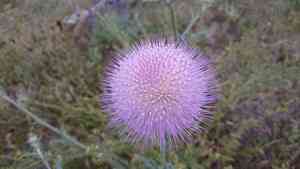
New Mexico thistle aids in sustaining pollinator communities, fostering a more robust ecosystem.
2
New Mexico thistle possesses edible components utilized by diverse societies in customary food practices.
3
New Mexico thistle is a resilient flora, rendering it an excellent selection for water-wise landscaping.
Why Is New Mexico Thistle a Beneficial Plant?
Ecological Contributions
A primary advantage of New Mexico thistle is its role in supporting pollinator populations. Its blossoms attract diverse pollinators, including bees and butterflies, vital for healthy ecosystems. By offering a food source for these pollinators, New Mexico thistle helps sustain the biodiversity essential for a robust environment.
Native Habitat Support
New Mexico thistle is indigenous to the southwestern U.S., thriving in arid and semi-arid conditions. Its deep roots help prevent soil erosion and enhance soil health, making it excellent for preserving native habitats. The plant also provides shelter and food for native wildlife, contributing to a balanced and resilient ecosystem.
How Can New Mexico Thistle Be Used in Sustainable Gardening?
Xeriscaping with New Mexico Thistle
Given its adaptation to dry conditions, New Mexico thistle is ideal for xeriscapingâa landscaping method that reduces or eliminates the need for supplemental irrigation. Incorporating New Mexico thistle into your garden not only conserves water but also lowers maintenance, as the plant is hardy and requires minimal care once established.
Attractive Garden Addition
New Mexico thistle adds aesthetic appeal to gardens with its unique and striking look. Its silvery foliage and vibrant blooms make it a prominent feature in any landscape. Furthermore, it attracts beneficial insects that can help control pest populations, making your garden healthier and more resilient.
What Are the Culinary Advantages of New Mexico Thistle?
Edible Components
New Mexico thistle has been used in traditional diets of various cultures. The young stems, leaves, and roots are edible when properly prepared, offering a distinct flavor that can be a delightful addition to various dishes. Incorporating New Mexico thistle into your meals can provide an interesting and nutritious alternative to more common greens.
Traditional Applications
Historically, New Mexico thistle has been harvested and consumed by indigenous communities in its native region. The plant's adaptability and resilience make it a dependable food source in challenging environments. Learning to use New Mexico thistle in modern cooking can be a way to reconnect with traditional practices while exploring new culinary horizons.
Why Is New Mexico Thistle Important for Soil Health?
Erosion Prevention
The deep root system of New Mexico thistle is highly effective at stabilizing soil and preventing erosion. This is especially crucial in areas prone to soil degradation, as the plant can help maintain landscape integrity. By planting New Mexico thistle, landowners can contribute to soil conservation and promote long-term environmental health.
Improving Soil Quality
Beyond preventing erosion, New Mexico thistle enhances soil quality by adding organic matter through its decaying leaves and stems. This organic matter improves soil structure, increases water retention, and provides nutrients that benefit other plants. Integrating New Mexico thistle into crop rotations or as part of a cover cropping system can significantly improve the health and productivity of agricultural soils.



