
New mexico thistle (Cirsium neomexicanum)
Also known as: Desert thistle
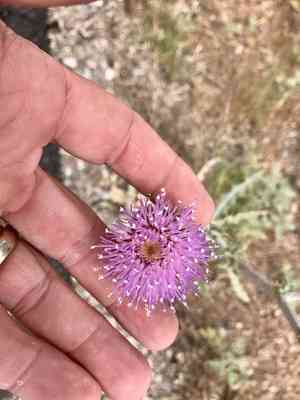
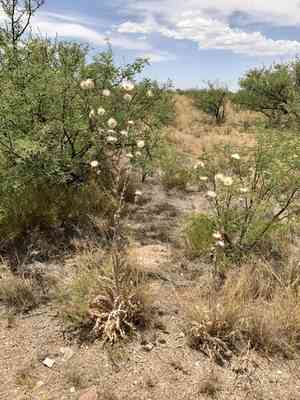
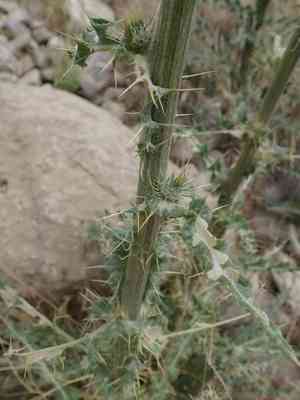
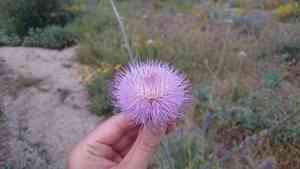
The New Mexico thistle (Cirsium neomexicanum) is native to the southwestern U.S., including New Mexico, Arizona, and parts of Texas, as well as northern Mexico. This tall plant features prickly, gray-green stems and leaves that are hairy, offering nesting structures and materials for native bees. Its large blossoms can be pink, purple, or white. It is not classified as an invasive species.
In This Article
Attributes of New mexico thistle
Lifespan
Perennial, Biennial
Plant Type
Herb
Plant Height
2 m
Spread
0.5 to 1 meter
Leaf Color
Green with whitish woolly undersides
Flower Size
5 cm
Flower Color
White Purple
Images of New mexico thistle
Quickly Identify New mexico thistle
1
Cirsium neomexicanum can be identified by its spiny leaves, purple-pink flowers, and overall architecture which includes a rosette form at its base in younger stages and a tall, erect flowering stem in maturity.
Scientific Classification of New mexico thistle
Phylum
Vascular plants
Class
Dicotyledons
Order
Asterales
Family
Daisy
Genus
Thistles
Species
New mexico thistle
Planting and Growing of New mexico thistle
Care Difficulty
Easy
Watering Schedule
Every 2 days
Sunlight Requirements
Full sun
Sunshine Duration
6-10 hours
Ideal Temperature
60-75℉
Soil Type
Potting Mix, Peat Mix
Soil pH
6.5-7.5
Fertilizer Type
Balanced
Pruning Season
Spring, Summer
Pruning Area
Branches, Leaves
Pruning Frequency
2 times a year
Repotting Season
Spring
Pot Type
Plastic, Ceramic
 How to Water New mexico thistle?
Cirsium neomexicanum requires a moderate amount of water, around 250 ml at each watering session. Ensure the soil is moist but not waterlogged, aiming for a damp substrate that will allow root respiration and prevent stagnation.
What are the symptoms of an underwatered New mexico thistle?
›
What should I do if my New mexico thistle is not getting enough water?
›
What are the symptoms of an overwatered New mexico thistle?
›
How to save an overwatered New mexico thistle?
›
 What Are the Sunlight Requirements for New mexico thistle?
Ideal exposure is full sun, meaning it flourishes best with 6 to 8 hours of direct sunlight daily. This ensures maximum energy for photosynthesis, resulting in robust growth, vibrant blooms, and overall plant health.
More About Sunlight Requirements Techniques→
What is the best location for Cirsium neomexicanum?
›
What kind of sunlight does it need?
›
How can one ensure the plant gets ideal light conditions indoors?
›
 What Is the Ideal Temperature Range for New mexico thistle?
The ideal temperature range for Cirsium neomexicanum is between 60°F and 75°F. Maintaining this range helps ensure optimal growth by providing a stable environment that supports the plant's physiological processes. Too much variation might stress the plant, hindering its ability to thrive.
 What Soil is Best for New mexico thistle?
Cirsium neomexicanum thrives in loamy and sandy loam soils, which provide excellent drainage, preventing root rot and ensuring moisture balance essential for its growth. This plant requires nutrient-rich loam, which supports its robust growth and flowering. Regular compost amendments can enhance soil fertility, benefiting the plant's health. While it needs well-draining soil, the substrate must retain some moisture to support Cirsium neomexicanum during dry periods, helping the plant to remain hydrated and vigorous.
 How to Fertilize New mexico thistle?
Cirsium neomexicanum benefits from a balanced amount of nutrients. When applying liquid fertilizers, a diluted solution at half the recommended strength should suffice. For slow-release granular fertilizers, roughly 1 to 2 tablespoons per square foot can provide substantial nourishment without the risk of nutrient burn.
 How to Prune New mexico thistle?
Begin by examining the plant's structure. Look for dead, broken, or diseased stems, which can be identified by their brown, wilted appearance. Use clean, sharp shears to remove these parts. After removing dead stems, assess the overall shape of your Cirsium neomexicanum. Trim overcrowded areas lightly to ensure ample sunlight and air circulation, which promotes healthy growth and reduces the risk of fungal infections.
More About Pruning Techniques→
 How to Propagate New mexico thistle plant?
1
Start by filling the seed tray with potting soil, leaving about a quarter inch from the top. This allows room for water to seep through without the risk of seeds being washed away.
2
Scatter the seeds evenly across the surface of the soil. Lightly press them into the soil without fully covering, as these seeds require light to germinate effectively.
3
Moisten the soil using a spray bottle to avoid displacing the seeds. Ensure the soil remains damp but not waterlogged throughout the germination period.
 How to Repot New mexico thistle plant?
1
Cirsium neomexicanum indicates its need for repotting when the roots visibly emerge from drainage holes or when growth slows despite proper care. Additionally, if the soil becomes compacted or less effective in retaining moisture, these are strong signals that repotting is necessary to refresh the roots and provide more room.
2
Select a pot that is only slightly larger than the current one with adequate drainage holes to prevent water retention. Using a pot that is too large can retain excess moisture, leading to root rot, while a properly sized pot ensures balanced growth and moisture distribution, promoting healthier plant development.
3
Opt for a well-draining loamy soil mix enriched with organic matter. This type of soil allows for ideal air penetration and water drainage, preventing root rot and fostering strong root growth. The inclusion of organic materials supports nutrient retention and healthy plant sustenance.



