How to Transplant White thistle?
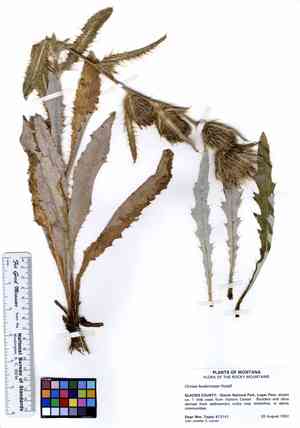
Transfer your white thistle between the beginning and end of spring, a time of vigorous development. Select a bright location featuring soil that drains effectively. A helpful tip: thoroughly hydrate your white thistle following its relocation to assist in root development.
What Preparations are Needed Before Transplanting White Thistle?
What is the Ideal Time for Transplanting White Thistle?
The best period for moving white thistle is when spring begins to flourish, typically from early spring until the sunnier days of late spring. Moving white thistle during this time ensures the ground is sufficiently thawed and moist, encouraging quicker root establishment and improved growth. This mild weather provides white thistle a gentle introduction to their new location, preventing the stress of summer heat and winter cold. It's an opportune moment where growth is eager, and risks are minimal - an excellent start for a robust future.
How Much Space Should You Leave Between White Thistle Plants?
When arranging your white thistle, aim for 18-24 inches (45-60 cm) between them. This provides ample room for them to thrive without crowding, which is especially important for new gardeners to ensure healthy development.
What is the Best Soil Mix for White Thistle Transplanting?
For the best beginning, prepare an area with well-drained soil enriched with organic material. Apply a balanced fertilizer to supply your white thistle with the necessary nutrients. You've got this!
Where Should You Relocate Your White Thistle?
Select a sunny spot for your white thistle where it will receive at least 6 hours of direct sunlight daily. This will help your white thistle flourish and bloom beautifully in your garden.
What Equipments Should You Prepare Before Transplantation White Thistle?
Gardening Gloves
To safeguard your hands while handling soil and white thistle.
Shovel or Spade
To excavate the plant and prepare the new planting site.
Garden Fork
To loosen the soil surrounding the plant's root mass.
Pruning Shears
To trim any damaged or excessively long roots.
Watering Can or Hose with a Soft Spray Attachment
For hydrating the white thistle before and after relocation.
Wheelbarrow or Garden Cart
To transport the white thistle and soil.
Mulch
To help retain moisture and suppress weed growth around the new spot.
How Do You Remove White Thistle from the Soil?
How Do You Remove White Thistle from the Soil?
From Ground: First, water the white thistle to moisten the soil. Then, use a shovel or spade to dig a wide circle around the plant, avoiding damage to the root ball. Once the perimeter is clear, insert the shovel underneath and gently lift to extract the white thistle from the soil.From Pot: Begin by watering the soil in the container to facilitate removal. Turn the pot sideways, hold the white thistle at its base, and tap the bottom to loosen the plant. Carefully pull the white thistle out of the pot while supporting the root ball with your other hand.From Seedling Tray: Water the tray to ensure roots are damp and not stuck. Use a garden fork or small tool to carefully lift the white thistle seedling, including its surrounding soil, making sure to keep the root ball intact.
Step-by-Step Guide for Transplanting White Thistle
Digging Hole
Carefully dig a hole in the ground that is twice as wide and the same depth as the white thistle's root ball. The added width allows for easier root expansion and soil adjustment around the plant.
Root Preparation
Examine the white thistle's root ball. Use pruning shears to remove any dead or broken roots. If the roots are tightly coiled, gently untangle them without excessively disturbing the root structure.
Placing white thistle
Lower the white thistle into the center of the hole. The top of the root ball should be level with the surrounding soil surface to prevent water accumulation at the plant's base.
Soil Refilling
Slowly backfill the hole with the excavated soil. Gently firm the soil down with your hands to eliminate air pockets and ensure good contact between the roots and the soil.
Watering
Thoroughly water the white thistle immediately after transplanting to settle the soil around the roots and aid in recovery from transplant shock.
Applying Mulch
Spread a 2 to 3-inch layer of mulch around the base of the white thistle, keeping it away from the stem to prevent rot. Mulch helps to conserve moisture and inhibit weed growth.
How Do You Care For White Thistle After Transplanting?
Monitoring Growth
Observe the white thistle's growth and development closely in the days and weeks following transplantation. Look for indications of new growth, which signify successful establishment.
Regular Watering
Maintain consistent soil moisture around the white thistle, especially during the initial weeks after transplanting. Avoid excessive watering, which can lead to root rot.
Support if Necessary
If the white thistle is tall or susceptible to wind damage, use plant supports like stakes or cages to help it remain upright and grow straight as it adapts to the new location.
Protection from Pests
Monitor the white thistle for any signs of pest infestations and take appropriate actions to safeguard it, such as using organic pesticides or introducing beneficial insects to the area.
Gradual Acclimatization
If the white thistle was moved from an indoor or protected environment, gradually accustom it to the new outdoor conditions by providing some partial shade and shelter during the hottest part of the day for the first week or two.
Troubleshooting Common Issues with White Thistle Transplantation.
What's the best time to transplant white thistle?
The optimal period is from early spring's thaw to late spring's warmth.
How far apart should I space white thistle when transplanting?
Allow each plant ample room to thrive by spacing them 18-24 inches (45-60 cm) apart.
Why are my transplanted white thistle's leaves wilting?
Wilting may indicate transplant shock. Ensure adequate watering and initially avoid direct sun.
How deep should the hole be for transplanting white thistle?
The hole should be just deep enough to comfortably accommodate the root ball.
Can I transplant white thistle during the summer?
It's risky; early to late spring is the ideal window for transplanting white thistle to ensure root establishment.
Should I water white thistle immediately after transplanting?
Absolutely, provide a thorough soaking to help the roots recover and adjust to their new home.
What kind of soil is best for transplanting white thistle?
Use well-draining soil rich in organic matter to give your white thistle a strong start.
How do I know if my white thistle is planted at the right depth?
The plant's crown should be just above the soil level, mimicking its original growing conditions.
What if my white thistle isn't showing new growth after transplanting?
Be patient; it might be establishing roots. Maintain consistent moisture and allow it to acclimate.
Can I use fertilizer immediately after transplanting white thistle?
Refrain from fertilizing; let white thistle settle in for a few weeks to prevent root burn.



