How to Prune White thistle?
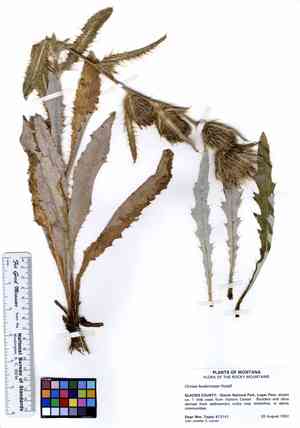
This resilient perennial, characterized by its unique thorny leaves and prominent white blossoms, flourishes with little upkeep but gains from judicious trimming. Essential methods involve removing faded flowers to stimulate additional blooming and reducing the entire plant post-flowering to foster fresh development. The most effective time for pruning is in late winter or early spring, prior to the emergence of new shoots. Consistent pruning boosts white thistle's robustness and curtails the dispersal of undesirable seedlings, preserving its decorative charm.
Advantages of Trimming White Thistle
Advantages of Trimming White Thistle
Trimming white thistle promotes robust development and aids in preserving its desired form. Eliminating old, lifeless, or overgrown stalks enhances plant vitality and look, ensuring white thistle flourishes and its aesthetic appeal is maximized.
Optimal Period for Trimming White Thistle
Optimal Period for Trimming White Thistle
From late winter to early spring, white thistle's growth remains dormant, minimizing plant stress and disease risk. This timing precedes the spring growth surge, allowing pruned areas to heal swiftly and new growth to emerge healthily and shapely. Additionally, it prevents cutting off future flower buds, ensuring an uninterrupted flowering cycle. Pruning during this window supports white thistle's vigor, beauty, and longevity.
Tools Required for Trimming White Thistle
Bypass Pruners
Perfect for making precise cuts on white thistle's green or slightly woody stems without crushing plant tissues.
Leather Gardening Gloves
Offer defense against white thistle's thorny foliage, ensuring safety during trimming.
Long-Handled Loppers
Suitable for reaching into white thistle's dense growth to trim thicker stems beyond arm's reach.
Pruning Saw
Essential for cutting through particularly thick and mature white thistle stems that loppers cannot manage.
How to Trim White Thistle
Identification
Carefully examine white thistle to pinpoint diseased and withered leaves showing signs of damage, discoloration, or decay.
Sanitation
Clean and disinfect your trimming tools with rubbing alcohol or a 10% bleach solution to prevent disease transmission during the pruning process.
Trimming Diseased
Gently remove diseased leaves from white thistle by cutting them at the base using sanitized pruning shears or scissors, being careful not to tear or harm the stem.
Trimming Withered
Snip off any withered leaves from white thistle, making clean cuts where the leaf meets the stem, to encourage healthy growth and improve air circulation around the plant.
Common Trimming Errors with White Thistle
Excessive Pruning
Removing too much foliage from white thistle can stress the plant, leading to poor growth and reduced blooming. It's crucial to prune no more than one-third of the plant at a time.
Incorrect Tool Usage
Using dull or dirty cutting implements can harm white thistle's stems, creating jagged cuts more prone to disease. Always use sharp, clean pruning shears.
Haphazard Cutting
Cutting randomly without understanding white thistle's growth pattern can result in an undesirable shape and may damage the plant's natural structure.
Neglecting Deadheading
Failing to regularly remove spent blooms on white thistle can hinder further flowering and lead to seed dispersal, potentially increasing unwanted spread.
Ignoring Health Checks
Not inspecting white thistle for signs of disease or pest infestation during pruning can allow problems to worsen, impacting the plant's health and vigor.
General Trimming Advice for White Thistle
Selective Trimming
Focus on removing only dead or diseased tissue, as well as crowded or crossing branches of white thistle, to maintain good plant health and promote air circulation.
Timing For Flowering
Trim white thistle after blooming, if necessary, to shape the plant and encourage new growth where flowers are most desired.
Angle Cuts
Make clean cuts at a 45-degree angle a quarter-inch above a bud or node to encourage white thistle to heal properly and stimulate new growth correctly.
Regular Maintenance
Perform light, consistent trimming on white thistle throughout the growing season to maintain plant shape and vigor, rather than severe infrequent cuts.
Tools Care
Sterilize pruning tools before and after use on white thistle to prevent spreading plant diseases, and maintain sharp blades for clean cuts.



