How to Transplant Flodman's thistle?
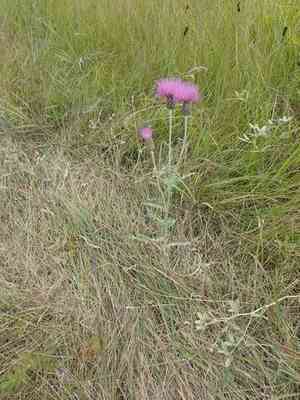
Flodman's thistle flourishes when relocated in the middle to latter part of spring or the initial phase of summer, owing to ideal soil temperatures. Choose a spot with ample sunlight or partial shade, making sure the soil drains effectively. For superior outcomes, moving the plant in the cooler period of late autumn is also beneficial.
What Preparations are Needed Before Transplanting Flodman's Thistle?
What is the Ideal Time for Transplanting Flodman's Thistle?
The best time to move flodman's thistle, a perennial, is in late spring, early summer, or late fall. These periods allow the plant to establish its root system without the stress of extreme temperatures. Transplanting during these times promotes healthier development and better survival rates by utilizing mild weather and sufficient soil moisture.
How Much Space Should You Leave Between Flodman's Thistle Plants?
When relocating flodman's thistle, ensure they are spaced 18-24 inches (45-60 cm) apart. This provides ample room for growth and prevents competition for nutrients. Proper spacing also aids air circulation and lowers disease risk.
What is the Best Soil Mix for Flodman's Thistle Transplanting?
For flodman's thistle, select well-draining soil as they dislike overly wet conditions. If your soil is dense or clay-like, incorporate sand or well-rotted organic matter to enhance drainage. Adding a balanced, slow-release fertilizer can give your plants a strong start.
Where Should You Relocate Your Flodman's Thistle?
Flodman's thistle thrives in full sun, so choose a garden spot that receives at least 6-8 hours of direct sunlight daily. If your chosen site is partially shaded, ensure it still gets a good amount of direct light to keep flodman's thistle happy and healthy.
What Equipments Should You Prepare Before Transplantation Flodman's Thistle?
Gardening Gloves
To safeguard your hands while handling soil and plants.
Trowel
For digging small holes and loosening soil around roots.
Shovel or Spade
Used for excavating a wider trench around the plant when removing it from the ground.
Pruning Shears
In case you need to trim any damaged roots or foliage.
Watering Can or Hose
For hydrating the plant during and after its relocation.
Bucket
To transport the plant if it is being moved from one spot to another.
Compost or Mulch
To enrich the soil and help retain moisture post-transplant.
How Do You Remove Flodman's Thistle from the Soil?
How Do You Remove Flodman's Thistle from the Soil?
From Ground: First, water the flodman's thistle plant to moisten the soil. Then, dig a wide trench around the plant using a shovel or spade, ensuring the plant's root ball remains intact. Carefully work the spade under the root ball to lift the plant from its original location.From Pot: Gently tap the sides of the pot to loosen the soil. Invert the pot, supporting the plant with your hand, and slide it out. If the roots are pot-bound, gently tease them apart.From Seedling Tray: Water the seedlings to dampen the soil. Use a trowel or spoon to gently lift each seedling out, being careful to keep the roots and surrounding soil intact.
Step-by-Step Guide for Transplanting Flodman's Thistle
Preparation
Prepare the new site by digging a hole that is twice as wide and of equal depth to the flodman's thistle's root ball. Ensure the soil is loose and drains well.
Removal
Carefully extract the flodman's thistle from its initial spot, preserving as much of the root ball as possible.
Transplanting
Place the flodman's thistle into the prepared hole. Fill the hole with soil, gently firming it around the roots to eliminate air pockets.
Watering
Thoroughly water the newly transplanted flodman's thistle to settle the soil around its roots.
Mulching
Apply a layer of compost or mulch around the plant's base to help retain moisture and suppress weeds.
How Do You Care For Flodman's Thistle After Transplanting?
Watering
Keep the soil around the flodman's thistle consistently moist, but not waterlogged, for the first few weeks after transplanting to aid in root establishment.
Monitoring
Regularly check the plant for signs of transplant shock, such as wilting or yellowing leaves, and adjust care as needed.
Protection
Consider placing a temporary shade cover over the flodman's thistle if it is especially sunny or if the plant appears stressed.
Troubleshooting Common Issues with Flodman's Thistle Transplantation.
When is the best time to transplant flodman's thistle?
The best times are late spring, early summer, or late fall when temperatures are mild.
How should I prepare the soil before transplanting flodman's thistle?
Loosen the soil to a depth of 12 inches (30 cm) and mix in compost for nutrients.
What is the recommended spacing for flodman's thistle?
Space each plant 18-24 inches (45-60 cm) apart to ensure ample room for growth.
How deep should I plant flodman's thistle?
Plant flodman's thistle at the same depth it was growing in its original location.
What are signs of transplant shock in flodman's thistle?
Wilting, brown leaves, and slowed growth can indicate transplant shock.
How often should I water flodman's thistle post-transplanting?
Water thoroughly after transplanting, then keep the soil consistently moist but not waterlogged.
How can I prevent root damage when transplanting flodman's thistle?
Dig carefully around the root ball, keeping as much soil intact as possible.
Should I apply mulch around flodman's thistle after transplanting?
Yes, a 2-3 inch (5-7 cm) layer of mulch helps retain moisture and regulate soil temperature.
What type of fertilizer should I use for flodman's thistle?
Use a balanced, slow-release fertilizer after the plant is established, not immediately after transplanting.
How long does it take for flodman's thistle to establish after transplanting?
Typically, flodman's thistle will take a few weeks to a couple of months to establish fully.



