How to Prune Flodman's thistle?
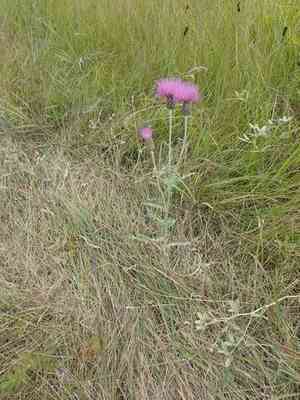
Flodman's thistle displays pointed foliage and vivid violet blossoms. To achieve peak development, trim in late winter or early spring prior to the emergence of new shoots. Remove impaired or lifeless stalks to foster vigorous progress. Trimming aids in controlling dimensions, deterring aggressive spread, and revitalizing bloom production. Always employ sanitized, keen implements to avert pathogens. Consistent upkeep deters excessive density and encourages a strong presentation. Refer to regional gardening directives for area-specific recommendations.
What Are the Benefits of Pruning Flodman's Thistle?
What Are the Benefits of Pruning Flodman's Thistle?
Flodman's thistle thrives with trimming, promoting vigorous development and shape retention. Pruning helps control its size, enhances its visual appeal, and lowers susceptibility to pests and diseases, ensuring a healthier, more robust specimen.
What Is the Best Time for Pruning Flodman's Thistle?
What Is the Best Time for Pruning Flodman's Thistle?
Trimming flodman's thistle in early spring or late winter is ideal as it coincides with the plant's dormant phase, minimizing stress and encouraging healthy regrowth. During this period, flodman's thistle is not actively growing or blooming, reducing the risk of disrupting its life cycle and ensuring ample recovery time before the active growth season begins in early spring. Pruning during these seasons also aids in managing the plant's dimensions and form, controlling potential ailments, and fostering abundant flowering in the upcoming growing period.
What Tools Do I Need to Prune Flodman's Thistle?
Bypass Pruners
These are crucial for making precise cuts on live stems and branches of flodman's thistle. Their scissor-like action ensures minimal harm to the plant.
Long-Handled Loppers
For thicker stems and branches, long-handled loppers offer greater leverage and cutting power, reducing effort when trimming flodman's thistle.
Pruning Saw
Useful for cutting larger, woody stems too thick for pruners or loppers. The saw's sharp teeth can efficiently manage the more rigid parts of flodman's thistle.
Gloves
Given flodman's thistle's thorny nature, wearing durable gloves is essential to safeguard hands from spines.
How to Prune Flodman's Thistle
Inspection
Examine flodman's thistle for any diseased or withered foliage, ensuring accurate identification of these specific areas before proceeding.
Tools
Prepare sanitized pruning shears or scissors to prevent disease transmission. Ensure blades are sharp for clean cuts.
Removal
Eliminate diseased leaves by cutting them at their base where they meet the stem. This prevents disease spread to healthy parts of flodman's thistle.
Elimination
Snip off withered leaves at the same point where they join the stem. This helps the plant redirect energy to healthy growth.
Disposal
Discard removed diseased and withered leaves far from flodman's thistle and other plants to avoid contamination.
Common Pruning Mistakes with Flodman's Thistle
Over-pruning
Excessive trimming can stress flodman's thistle, leading to weakened growth and reduced blooms. Moderate pruning is crucial.
Incorrect cuts
Making cuts at the wrong angle or too close to the main stem can harm flodman's thistle and increase disease risk. Always use sharp, clean tools and make precise cuts.
Timing errors
Pruning at inappropriate times can disrupt the plant's growth cycle and flowering. Although the ideal pruning season is not covered here, ensuring correct timing is crucial.
Incomplete removal of dead material
Failing to remove all dead or diseased parts can allow problems to persist and spread, affecting the plant's overall health.
Common Pruning Tips for Flodman's Thistle
Tool hygiene
Always sanitize your pruning tools before and after use to prevent disease spread. This can be done with a solution of one part bleach to nine parts water.
Strategic cuts
Aim to make clean, slightly diagonal cuts just above a leaf node or bud. This encourages new growth in the desired direction and reduces disease risk.
Moderate approach
Follow the guideline of not removing more than one-third of flodman's thistle at a time. This helps maintain balance and allows the plant to recover more effectively.
Regular inspection
Inspect flodman's thistle frequently for any signs of disease or dead material. Promptly removing these parts can prevent widespread issues and promote healthier growth.



