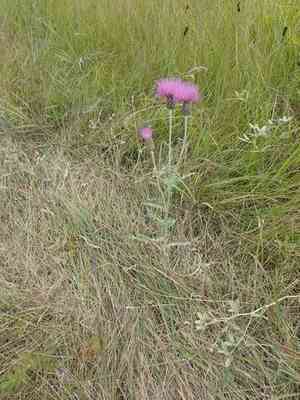
Flodman's thistle (Cirsium flodmanii)
Also known as: Flodman's Thistle
The Flodman's thistle is a robust perennial known for its extensive root system and spiny, woolly leaves. It displays notable rose-purple blooms on leafy stems, flourishing in North America's open grasslands. Its prickly leaves and stems provide protection from grazing animals, helping it thrive in wild meadows and prairie environments.
In This Article
Attributes of Flodman's thistle
Lifespan
Perennial
Plant Type
Herb
Plant Height
30 cm to 91 cm
Spread
0.3 - 0.6 meters
Leaf Color
Green with white to yellow spines
Flower Size
2 - 5 cm
Flower Color
Purple
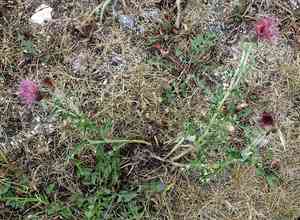
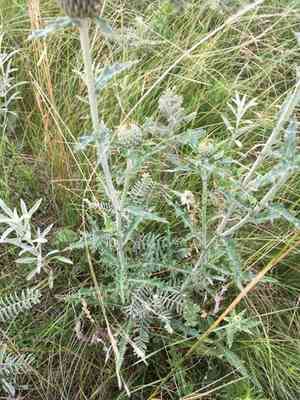
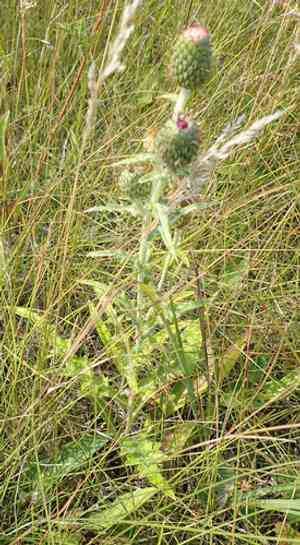
Images of Flodman's thistle
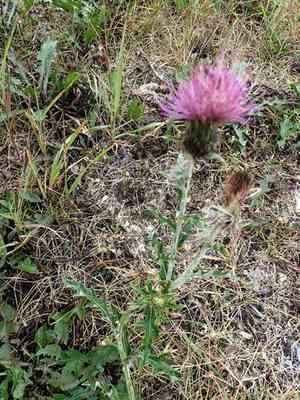
Quickly Identify Flodman's thistle
1
Look for a tall plant with sharp spines on its stems and leaves, bright purple flowers, and a rosette of leaves at the base.
Scientific Classification of Flodman's thistle
Phylum
Vascular plants
Class
Dicotyledons
Order
Asterales
Family
Daisy
Genus
Thistles
Species
Flodman's thistle
Planting and Growing of Flodman's thistle
Care Difficulty
Moderate
Watering Schedule
Every 2 days
Sunlight Requirements
Full sun
Sunshine Duration
4-8 hours
Ideal Temperature
60-75℉
Soil Type
Potting Mix, Peat Mix
Soil pH
6.5-7.5
Fertilizer Type
Balanced
Pruning Season
Spring, Summer
Pruning Area
Branches, Leaves
Pruning Frequency
2 times a year
Repotting Season
Spring
Pot Type
Plastic, Ceramic
 How to Water Flodman's thistle?
For Cirsium flodmanii, each watering session should ensure the soil is thoroughly soaked. The goal is to moisten the root zone without causing water to pool excessively. A sensible amount is about 500 ml, ensuring the soil is damp but not waterlogged.
What are the symptoms of an underwatered Flodman's thistle?
›
What should I do if my Flodman's thistle is not getting enough water?
›
What are the symptoms of an overwatered Flodman's thistle?
›
How to save an overwatered Flodman's thistle?
›
 What Are the Sunlight Requirements for Flodman's thistle?
Cirsium flodmanii thrives in full sun or partial sun environments. An ideal light setup ensures it receives 6 to 8 hours of sunlight, maximizing its blooming potential and overall vigor.
How much sunlight does Cirsium flodmanii prefer?
›
Where should I place Cirsium flodmanii for optimal sunlight exposure?
›
What are the benefits of providing ideal lighting conditions?
›
 What Is the Ideal Temperature Range for Flodman's thistle?
Cirsium flodmanii thrives best within a temperature range of 60°F to 75°F. This range provides the optimal conditions for growth and development, ensuring that the plant's metabolic processes occur efficiently, leading to healthy foliage and vibrant blooms.
 What Soil is Best for Flodman's thistle?
Cirsium flodmanii thrives in well-drained soil to prevent root rot and ensure adequate nutrient absorption. This enhances the growth balance and promotes healthy foliage. A nutrient-rich medium ensures that the plant receives the essential minerals and micronutrients necessary for robust growth and vibrant flowering. While well-drained, the soil should also be able to retain moisture, providing a stable environment thus eliminating stress from moisture fluctuation.
 How to Fertilize Flodman's thistle?
Apply a balanced 10-10-10 liquid fertilizer at a diluted rate of 1 tablespoon per gallon of water. For solid fertilizers, use 1 cup per square meter of slow-release granules.
 How to Prune Flodman's thistle?
Begin by examining the plant for any stems that appear brown, wilted, or show signs of disease. These should be your first targets during pruning. Make your cuts just above a node or bud to encourage new growth. This technique helps the plant to channel its energy into generating fresh, healthy stems. Prune to maintain the plant's natural shape. Trim back the outer stems to control its size while ensuring it remains full and bushy. This leads to a more visually appealing plant.
More About Pruning Techniques→
 How to Propagate Flodman's thistle plant?
1
Start by filling seed trays with a well-draining seed compost. Sow the seeds thinly, covering them lightly with compost. Keep the trays in a warm, well-lit area to promote germination.
2
Regularly check on your seed trays, ensuring that the medium remains moist but not waterlogged. This encourages prompt germination while preventing mold and rot.
3
When seedlings are large enough to handle, carefully transplant them into individual pots. This step helps them develop strong root systems before planting out.
 How to Repot Flodman's thistle plant?
1
Repot Cirsium flodmanii when you notice the roots growing through the drainage holes or when growth has significantly slowed down. Early spring or autumn is ideal, as the plant is not in its active growth phase and can more easily adjust to new conditions.
2
Opt for a pot that is slightly larger than its current one, with good drainage holes to prevent waterlogging. The airflow and space will encourage healthy root development, avoiding root rot and promoting vibrant growth.
3
Choose a sandy loam mix that replicates the plant's natural habitat. This soil type ensures excellent drainage while retaining necessary moisture, aiding in the prevention of root rot and providing essential nutrients for robust growth.
Learn More About Flodman's thistle Diseases
Anthracnose
Bacterial Leaf Spot
Bacterial Wilt
Damping-off
Downy Mildew
Drought Stress
Fusarium Wilt
Gray Mold
Leaf Curl
Leaf Spot
Mosaic
Nutrient Deficiency
Nutrient Toxicity
Powdery Mildew
Root Rot
Root-knot Nematode
Rusts
Sooty Mold
Spider Mites
Temperature Stress
Thrips Damage
White Mold
Chemical Injury



