How to Transplant Engelmann's thistle?
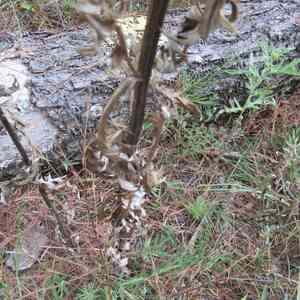
Engelmann's thistle flourishes most effectively when relocated between early and mid-spring, allowing for prime settling prior to the summer season. It favors areas with good drainage and ample sunlight. Verify that the substrate is moderately damp, which aids root integration without inducing strain. Enjoy your gardening!
Necessary Preparations Before Relocating Engelmann's Thistle?
Optimal Period for Relocating Engelmann's Thistle?
Engelmann's thistle, a perennial species, is best moved from early to late spring. This timing allows the plant to establish its root system prior to summer's heat, enhancing its survival. Transplanting during this window also leverages ideal soil moisture and extended daylight, fostering vigorous growth and resilience.
Recommended Spacing Between Engelmann's Thistle Plants?
For engelmann's thistle, ensure a separation of 18 to 24 inches (45 to 60 cm) between plants. This provides ample room for development and promotes adequate air circulation, which helps deter disease.
Best Soil Blend for Engelmann's Thistle Relocation?
Prepare well-draining soil with a pH ranging from neutral to slightly alkaline. Incorporate a foundational fertilizer rich in phosphorus and potassium to aid root development. Adding compost or aged manure can also improve soil structure and fertility.
Ideal New Location for Your Engelmann's Thistle?
Select a sunny spot for relocating engelmann's thistle. They flourish with full sun exposure, meaning at least 6 hours of direct sunlight daily. This will ensure robust, healthy development.
Equipment Required Before Transplanting Engelmann's Thistle?
Gardening Gloves
To safeguard your hands while handling soil and the plant.
Small Shovel or Spade
For excavating around the plant and its new site.
Watering Can
To hydrate the soil before and after the relocation.
Trowel
For more precise digging and working near the root system.
Garden Fork
To assist in loosening soil and lifting the root ball if the plant is in the ground.
Plant Labels
To mark the plant's new position, especially helpful for new gardeners.
Mulch
To retain moisture and protect the newly transplanted engelmann's thistle.
How to Extract Engelmann's Thistle from the Soil?
How to Extract Engelmann's Thistle from the Soil?
From Ground: First, moisten the engelmann's thistle plant to dampen the soil. Next, excavate a wide trench around the plant using a shovel or spade, ensuring the plant's root ball remains intact. Carefully maneuver the spade beneath the root ball to lift the plant from its original spot.From Pot: Thoroughly water the soil in the pot to facilitate removal. Gently tip the pot and tap its base to loosen the roots. Carefully lift the plant out, supporting the root ball to prevent damage.From Seedling Tray: Water the seedlings well before attempting to remove them. Use a trowel or your hands to gently lift each seedling from the tray, ensuring the root ball stays intact.
Step-by-Step Guide for Relocating Engelmann's Thistle
Site Preparation
Prepare the new planting area by digging a hole that is twice as wide and equally deep as the engelmann's thistle's root ball.
Soil Preparation
Loosen the soil at the bottom of the hole and incorporate any necessary soil amendments to create an optimal environment for the engelmann's thistle.
Plant Removal
Carefully extract the engelmann's thistle from its initial location, preserving as much of the root system as possible.
Placing the Plant
Gently position the engelmann's thistle into the prepared hole, ensuring it sits at the same depth as it did in its previous spot.
Filling the Hole
Backfill the hole with soil, gently pressing down to eliminate any air pockets. Confirm the plant is stable and upright.
Watering
Thoroughly water the engelmann's thistle after planting to help settle the soil around the roots.
Mulching
Apply a layer of mulch around the base of the engelmann's thistle to retain moisture and regulate soil temperature.
Post-Transplant Care for Engelmann's Thistle
Watering
Keep the soil around the engelmann's thistle consistently moist, but not waterlogged, for the initial weeks after transplanting to aid in strong root establishment.
Monitoring
Regularly inspect the engelmann's thistle for indications of transplant shock, such as wilting, yellowing foliage, or stunted growth, and adjust care as needed.
Mulch Maintenance
Ensure the mulch layer remains intact and is not excessively thick, as it helps maintain moisture.
Protection
If relocating to a sunny or windy spot, consider providing temporary shade or windbreaks to help the plant acclimate more gradually.
Resolving Common Issues with Engelmann's Thistle Transplantation.
When is the best time to transplant engelmann's thistle?
The optimal period to relocate engelmann's thistle is from early spring to late spring.
How far apart should I place engelmann's thistle during transplanting?
Space engelmann's thistle plants 18-24 inches (45-60 cm) apart to ensure healthy growth.
What type of soil is suitable for engelmann's thistle?
Engelmann's thistle thrives in well-draining soil rich in organic matter.
How do I prepare the soil for transplanting engelmann's thistle?
Loosen the soil and mix in compost to improve drainage and fertility before transplanting engelmann's thistle.
Should I water engelmann's thistle immediately after transplanting?
Yes, water engelmann's thistle thoroughly after transplanting to help it establish roots.
How can I prevent transplant shock for engelmann's thistle?
Water regularly, avoid direct sun initially, and mulch to retain moisture.
What type of fertilizer should I use for engelmann's thistle post-transplant?
Use a balanced slow-release fertilizer to support engelmann's thistle's growth after transplanting.
How deep should I plant engelmann's thistle during transplanting?
Plant engelmann's thistle at the same depth it was growing previously to avoid root stress.
What is the ideal temperature range for transplanting engelmann's thistle?
Transplant engelmann's thistle when temperatures are between 50-70°F (10-21°C).
How can I ensure good air circulation for engelmann's thistle?
Proper spacing of 18-24 inches (45-60 cm) ensures good air circulation to prevent disease.



