How to Prune Engelmann's thistle?
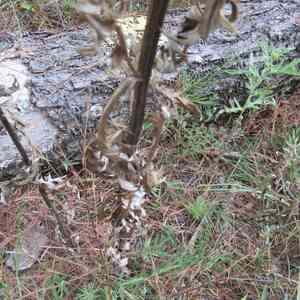
Engelmann's thistle, a unique botanical specimen featuring prickly foliage and violet blossoms, thrives with trimming performed from late winter through early spring. This period, coinciding with its developmental phase, stimulates robust growth and increased floral output. Essential methods involve excising deceased or compromised stalks and shortening excessively long portions to preserve its form. Pruning aids in controlling its somewhat aggressive spread and enhances air movement, thereby lowering the likelihood of ailments. Regular attention guarantees more flourishing, vivid plants.
What Are the Benefits of Pruning Engelmann's Thistle?
What Are the Benefits of Pruning Engelmann's Thistle?
Trimming engelmann's thistle promotes robust development and helps keep an attractive form. It encourages stronger stalks, lessens pest problems, and removes dead or damaged sections, boosting the plant's overall vigor and resilience.
What Is the Best Time for Pruning Engelmann's Thistle?
What Is the Best Time for Pruning Engelmann's Thistle?
Engelmann's thistle should ideally be trimmed in early spring or late winter. These periods are optimal as the plant is typically dormant or just starting its growth cycle, minimizing stress and encouraging strong development. Pruning at these times helps maintain the plant's health by preventing disease spread and supporting a more vigorous flowering phase once the growing season begins. Additionally, trimming before new growth appears ensures energy is directed towards new, healthy shoots, further enhancing engelmann's thistle's overall vitality and resilience.
What Tools Do I Need to Prune Engelmann's Thistle?
Hand Pruners
Perfect for cutting small stems and branches, allowing precise cuts near the base without harming the plant.
Loppers
Effective for thicker stems and branches that hand pruners cannot manage, providing extra leverage and power.
Pruning Saw
Useful for cutting through very thick or dead branches, ensuring a clean cut without causing undue stress to engelmann's thistle.
Gloves
Essential for protecting your hands from the spiny nature of engelmann's thistle, making the trimming process safer and more comfortable.
Disinfectant
Important for cleaning tools between cuts to prevent the spread of disease or infection to engelmann's thistle.
How to Prune Engelmann's Thistle
Identify
Examine engelmann's thistle carefully to locate any diseased or withered foliage.
Diseased cut
Using sterilized pruning shears, make clean cuts to remove diseased leaves near the base, ensuring you do not harm healthy tissue.
Withered trim
Trim away withered leaves by cutting them at the point where they meet the stem, avoiding unnecessary damage to the plant.
Tool sanitize
After each cut, sanitize your pruning tools with a solution of diluted bleach or rubbing alcohol to prevent the spread of disease.
Monitor
Regularly observe engelmann's thistle for any new signs of disease or wilting and repeat pruning steps as needed to maintain plant health.
Common Pruning Mistakes with Engelmann's Thistle
Over-pruning
Beginner gardeners often remove too much foliage, which can stress the plant and reduce its ability to photosynthesize, ultimately affecting its growth and flowering.
Improper tool usage
Using dull or unsuitable tools can tear or crush stems rather than making clean cuts, increasing the risk of disease and pest infestation.
Pruning at incorrect points
Cutting above a node or bud that won't stimulate new growth can result in missed opportunities for further branching and flowering.
Ignoring plant health
Trimming a plant that is already stressed or unhealthy can worsen its condition, hindering recovery and growth.
Common Pruning Tips for Engelmann's Thistle
Disinfect tools
Always disinfect pruning tools before and after use to prevent the spread of diseases. Use a solution of one part bleach to nine parts water or rubbing alcohol.
Use sharp tools
Ensure your pruning shears or scissors are sharp to make clean cuts that heal quickly, reducing the risk of infection.
Correct cut placement
Make cuts just above a healthy node or bud, which encourages new growth and directs the plant's energy efficiently.
Remove dead and diseased parts first
Start by removing any dead, diseased, or damaged stems and leaves. This will prevent the spread of disease and allow the plant to focus its energy on healthy growth.
Thin out crowded areas
Thin out overcrowded stems to increase air circulation and light penetration, which helps reduce the risk of fungal infections and promotes healthier growth.
Step back and assess
Periodically step back to assess the plant's overall shape and ensure you are maintaining a balanced and natural form.



