How to Transplant Chick Pea?
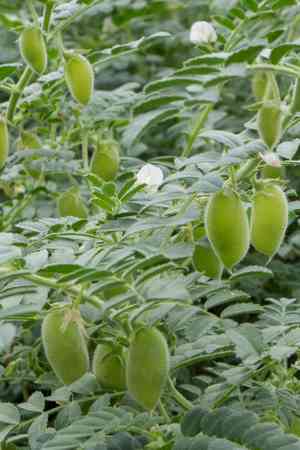
Chick Pea flourishes optimally when relocated in mid-spring, a period conducive to vigorous development. Select a bright spot featuring soil that drains effectively. Carefully position the root system and ensure the soil remains uniformly damp to facilitate successful rooting.
What Preparations are Needed Before Transplanting Chick Pea?
What is the Ideal Time for Transplanting Chick Pea?
Moving chick Pea during the peak of spring, specifically mid-to-late spring, provides prime growing conditions. This period allows chick Pea to establish roots in warm, stable soil, promising a strong growth season. Adhering to this timeframe utilizes the moderate temperatures and soil moisture of spring, which are perfect for chick Pea to thrive. Ensuring transplantation at this time leads to a well-timed development cycle, aligning with the natural growth pattern of chick Pea and maximizing yield potential.
How Much Space Should You Leave Between Chick Pea Plants?
When relocating chick Pea, consider providing each plant ample room to flourish. Ideally, the spacing should be approximately 2-3 feet (60-90 cm) apart. This will ensure each plant has sufficient space to grow and won't have to compete with its neighbors for resources.
What is the Best Soil Mix for Chick Pea Transplanting?
For chick Pea, well-drained soil rich in organic matter is most effective. Loamy or sandy soil is optimal. Additionally, a foundational fertilizer containing nitrogen, phosphorus, and potassium would be beneficial. Mix it into the soil before transplanting to give the plants a nutritional head start.
Where Should You Relocate Your Chick Pea?
Chick Pea thrives in a sunny location. So when transplanting, aim to find a spot that receives at least 6-8 hours of sunlight daily. Consider the sun's path throughout the day, and plant accordingly to provide your chick Pea with the light it requires.
What Equipments Should You Prepare Before Transplantation Chick Pea?
Gardening Gloves
To shield your hands from the soil and chick Pea plant during work.
A Trowel
To excavate the hole for the relocation.
Garden Spade
For carefully lifting the plant from its original spot without harming the roots.
Watering Can
To moisten the soil before and after relocation.
Organic Compost
To enrich the new planting site with nutrients for healthy growth of chick Pea.
Gardening Fork
To help loosen the soil around the root ball, which will minimize damage to the root during transplant.
How Do You Remove Chick Pea from the Soil?
How Do You Remove Chick Pea from the Soil?
From Ground: First, lightly water the chick Pea plant to soften the surrounding soil. Then, use a gardening spade to dig a trench around it, ensuring a wide enough cut to include all roots and avoid damage. Gradually lift the plant with the spade, keeping the root ball intact.From Pot: Thoroughly water the potted chick Pea plant. Turn the pot sideways, gently but firmly hold the base of the plant, and slowly ease it out of the pot.From Seedling Tray: Once chick Pea has developed a good root system in the seedling tray, it's time for relocation. First, soak the tray to facilitate removal. Carefully separate the seedlings and gently untangle the roots, holding the seedlings by their leaves to prevent damage to the stem or roots.
Step-by-Step Guide for Transplanting Chick Pea
Preparation
Dig the new hole about twice as wide, and just as deep as the root ball of your chick Pea plant with a trowel. Add some organic compost into the base of the hole.
Removal
Follow the removal process described above, depending on whether your chick Pea plant is coming from the ground, a pot or a seedling tray.
Placing the Plant
Place your chick Pea plant into the new hole, spreading the roots out. Make sure the top of the root ball is level with or slightly below ground level. Fill in the hole with the soil that was dug out.
Watering
Once your chick Pea plant has been planted, water thoroughly to settle the soil around the roots.
How Do You Care For Chick Pea After Transplanting?
Regular Watering
Depending on your climate, water the newly relocated chick Pea plant to ensure consistent soil moisture.
Pruning
Remove withered or dead leaves to direct the plant's energy towards root development; this also helps prevent diseases.
Proper Spacing
Ensure adequate space between chick Pea plants to prevent disease and ensure sufficient air circulation.
Weed Control
Regularly remove weeds around your chick Pea plant, as weeds can compete with them for nutrients.
Dealing with Pests
Employ organic pest control methods if you observe pests on your chick Pea plant.
Troubleshooting Common Issues with Chick Pea Transplantation.
When is the best time to transplant chick Pea?
In terms of seasons, chick Pea thrives best when relocated in the second or third season of the year. Aim for a favorable climate for success!
What is the proper spacing to consider while transplanting chick Pea?
It's vital to allow chick Pea room to grow. Ideally, maintain a distance of 2-3 feet (60-90 cm) between each plant.
What should I do if the chick Pea starts wilting after transplanting?
Wilting may indicate transplant shock. Try watering deeply and ensure the plant is receiving an appropriate amount of sunlight.
Why is my transplanted chick Pea not producing pods?
Poor pod production can signal insufficient sunlight or water, or nutrient deficiencies in the soil. Try to identify and correct the cause.
Why are the leaves on my transplanted chick Pea turning yellow?
Yellow leaves can suggest waterlogged soil or a nitrogen deficiency. Adjust your watering schedule and consider adding a nitrogen-rich fertilizer.
Can I transplant chick Pea in pots?
Yes, chick Pea can be cultivated in pots. Ensure the pot is deep enough and maintain the recommended 2-3 feet (60-90 cm) spacing.
How do I ensure successful chick Pea transplantation in a windy area?
In windy areas, consider installing a windbreak around your chick Pea. This will help shield it from wind-related stress and damage.
My transplanted chick Pea has stopped growing, what could be wrong?
Stunted growth can result from root disturbance during transplantation, lack of water, or insufficient sunlight. Check and correct these factors.
What kind of soil should I use when transplanting chick Pea?
Chick Pea prefers well-drained soil with a neutral pH. Use a blend of garden soil, compost, and a small amount of coarse sand.
How deep should the planting hole be when transplanting chick Pea?
The planting hole should be deep enough to accommodate the root ball of chick Pea. Typically, it's about 6-8 inches (15-20 cm) deep.



