How to Propagate Chick Pea?
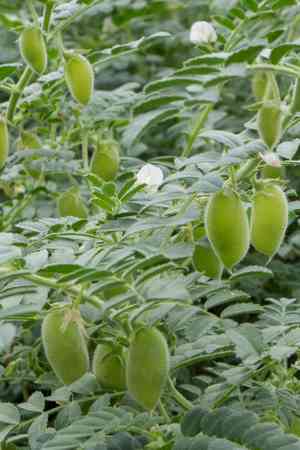
Chick Pea is generally multiplied by seeding. To achieve robust growth, it is essential to utilize new, superior-grade seeds. Prior to planting, immerse the seeds overnight to boost their sprouting. Plant them directly into adequately drained earth in a sun-exposed spot, positioning the seeds approximately 3-4 cm deep. Maintain steady dampness until they germinate, and thin out the young plants to avoid excessive density, facilitating their best growth.
Optimal Time for Chick Pea Propagation
Propagation Method
Sowing
Propagation Period
Spring
Tools for Chick Pea Propagation
Seed Trays
Seed trays are vital for indoor chick Pea seed starting, offering a controlled setting for germination. They help organize seeds and ensure even moisture and nutrient distribution. Their shallow design is especially good for chick Pea, making transplanting easy without harming young roots.
Peat Pots
Peat pots are biodegradable containers perfect for chick Pea, reducing transplant shock by allowing direct planting into the ground without pot removal. This encourages healthier root growth as chick Pea roots can penetrate the pot walls, minimizing root disturbance.
Quality Soil Mix
A good soil mix supplies essential nutrients and proper drainage for successful chick Pea germination. The mix should be light enough for good air circulation yet retain sufficient moisture to promote chick Pea seed sprouting. The correct soil mix boosts seedling survival by preventing waterlogging and disease.
Watering Can with a Fine Rose
A watering can with a fine rose attachment ensures gentle watering of chick Pea seeds without dislodging them. It creates a soft, shower-like effect, perfect for keeping the soil uniformly moist during the crucial chick Pea germination phase.
Plant Labels
Plant labels are useful for identifying chick Pea seedlings, especially when propagating various types or plant species. They aid in tracking plant progress and maintaining organized propagation setups. This is key for applying specific care and monitoring growth.
How to Propagate Chick Pea?
Propagation Type
Easy
Caring for Your Newly Propagated Chick Pea
Caring for Your Newly Propagated Chick Pea
Post-propagation, maintain consistent moisture but avoid saturation to prevent root diseases in chick Pea. Ensure full sunlight and apply a balanced fertilizer every 4-6 weeks during the growing season. Regularly check for pests and diseases, taking action as needed. As a legume, chick Pea benefits from routine checks for nitrogen fixation and may benefit from occasional inoculation with specific rhizobia to enhance this process.
Common Propagation Mistakes for Chick Pea
Overwatering
Excessive watering of chick Pea can lead to root rot, hindering healthy development and potentially killing the plant.
Deep Planting
Planting chick Pea seeds too deep can impede or delay germination due to insufficient oxygen and light access.
Ignoring Soil Quality
Using poor or unsuitable soil for chick Pea can restrict root growth and nutrient uptake, significantly impacting plant health and yield.
Tips for Propagating Chick Pea
Proper Seed Depth
Planting chick Pea seeds at the correct depth, typically 1-2 inches, ensures optimal conditions for germination and root development.
Moderate Watering
Providing a moderate amount of water to chick Pea ensures the soil stays moist but not waterlogged, supporting healthy plant growth.
Soil Enrichment
Enhancing the soil with organic matter or a balanced fertilizer can boost nutrient availability for chick Pea, promoting vigorous growth and a strong root system.



