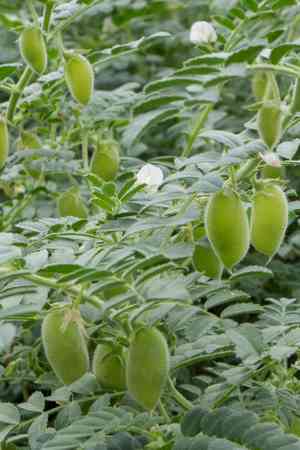
Chick Pea (Cicer arietinum)
Also known as: Gram, Bengal Gram, Garbanzo
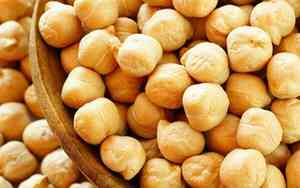
Cicer arietinum, commonly known as chickpeas, is an annual, bushy plant valued for its nutrient-rich seeds. These seeds are an excellent source of protein and dietary fiber, aiding in muscle building and digestive health. Chickpeas are also packed with essential minerals such as iron, phosphorus, and folate, contributing to overall wellness. The plant typically flowers in the summer, with its seeds maturing approximately four months post-planting.
In This Article
Attributes of Chick Pea
Lifespan
Annual
Plant Type
Herb
Plant Height
60 cm
Spread
60 cm
Leaf Color
Green Gray
Flower Size
1.2 cm
Flower Color
White Purple
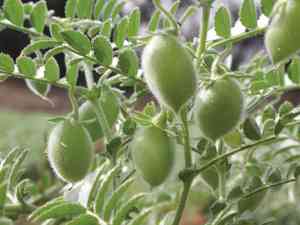
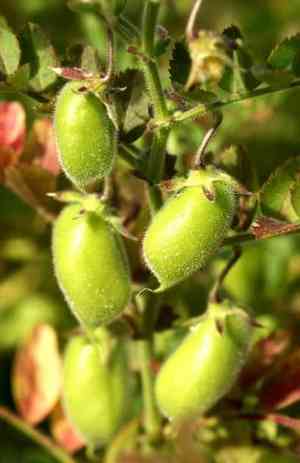
Images of Chick Pea
Quickly Identify Chick Pea
1
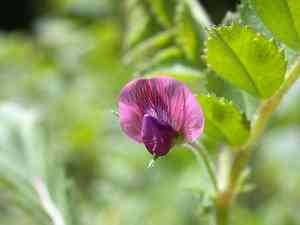
The plant can be identified by its small, feathery leaves on either side of the stem and small, white or reddish flowers.
Scientific Classification of Chick Pea
Phylum
Vascular plants
Class
Dicotyledons
Order
Fabales
Family
Legume
Genus
Cicer
Species
Chick Pea
Planting and Growing of Chick Pea
Care Difficulty
Easy
Watering Schedule
Every 3 days
Sunlight Requirements
Full sun
Sunshine Duration
6-10 hours
Ideal Temperature
60-77℉
Soil Type
Potting Mix, Peat Mix
Soil pH
6.5-7.5
Fertilizer Type
Balanced
Pruning Season
Spring, Summer
Pruning Area
Branches, Leaves
Pruning Frequency
2 times a year
Repotting Season
Spring
Pot Type
Plastic, Ceramic
 How to Water Chick Pea?
Cicer arietinum thrives with a watering amount of around 500 ml per session, ensuring the soil is evenly moist without becoming waterlogged. It's crucial to allow the soil to dry out slightly between waterings to mimic its natural semi-arid environment and prevent root rot.
What are the symptoms of an underwatered Chick Pea?
›
What should I do if my Chick Pea is not getting enough water?
›
What are the symptoms of an overwatered Chick Pea?
›
How to save an overwatered Chick Pea?
›
 What Are the Sunlight Requirements for Chick Pea?
Cicer arietinum thrives best under full sun conditions, typically needing 6 to 8 hours of sunlight each day. Ideal lighting ensures robust growth and optimal health for the plant, leading to increased yield.
More About Sunlight Requirements Techniques→
What is the best lighting condition for Cicer arietinum?
›
How to ensure ideal lighting for Cicer arietinum?
›
Benefits of ideal lighting for Cicer arietinum?
›
 What Is the Ideal Temperature Range for Chick Pea?
Chickpeas grow optimally in temperatures ranging from 60°F to 77°F. These conditions allow for proper seed germination and healthy plant development. Avoiding extreme cold or heat within this range helps maintain the integrity of the plant's physiological processes, leading to a better yield and overall growth.
 What Soil is Best for Chick Pea?
Cicer arietinum thrives in well-drained soil as it helps prevent root rot and ensures that the roots receive enough oxygen. This is crucial for the health and growth of the plant as stagnant water can lead to diseases and poor plant performance. This plant prefers soil rich in organic matter to support its nutrient needs. Adding compost or well-rotted manure can greatly enhance soil fertility, leading to robust plant growth and increased yield of chickpeas. Cicer arietinum needs soil that retains moisture to some extent without becoming waterlogged. This balance allows the plant to remain hydrated, particularly during dry periods, while avoiding issues related to excessive moisture.
 How to Fertilize Chick Pea?
For Cicer arietinum, also known as chickpea, a balanced fertilization tailored to its growth needs is essential. A general recommendation would be to apply about 1 kg of a balanced 10-10-10 NPK fertilizer per 50 square meters of growing area during the early growing season. This helps promote healthy growth and supports pod development. Adjustments should be made based on soil tests and plant response.
 How to Prune Chick Pea?
Begin pruning in late spring or early summer when the plant is active but not too stressed by heat. Use sharp, clean shears to make precise cuts, preventing damage and the spread of disease Make clean cuts at a 45-degree angle just above a leaf node or side shoot. This technique encourages new growth and ensures efficient drainage of water off the cut surface, reducing the risk of infection. First, remove any dead or diseased branches to prevent the spread of pathogens. Dispose of these cuttings properly to maintain plant hygiene.
More About Pruning Techniques→
 How to Propagate Chick Pea plant?
1
Before planting, soak the seeds in water overnight. This helps to soften the seed coat, promote faster germination, and ensures better water absorption during the initial growth period.
2
After soaking, plant the seeds in trays filled with a suitable soil mix. Ensure seeds are spaced adequately to promote air circulation and are not crowded, which could lead to disease.
3
Keep the soil consistently moist but not soggy. Overwatering can lead to fungal infections or seed rot, while dry conditions can impede germination and root development.
 How to Repot Chick Pea plant?
1
Cicer arietinum, commonly known as chickpea, shows signs that it needs repotting when its roots start to circle at the base of the pot, visible through drainage holes. The plant may also become top-heavy, requiring more frequent watering. Spring and summer are optimal for repotting, ensuring active growth periods for recovery.
2
Choose a pot that is 1-2 inches larger in diameter than the current one. A good pot should have ample drainage holes to prevent waterlogging. This ensures that roots have enough space to grow and breathe, promoting healthier plant development and preventing root rot.
3
Opt for well-drained loamy soil, as chickpeas thrive in soil that retains moisture without becoming waterlogged. The chosen soil should be rich in organic matter to support growth. A well-balanced loamy soil offers the necessary nutrients while preventing root suffocation.



