How to Transplant Hapu'u?
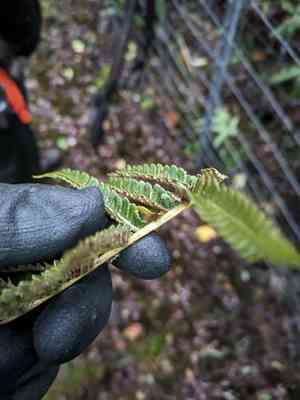
Hapu'u flourishes when transplanted from early to late spring, as moderate temperatures facilitate root development. Optimal circumstances include a partially shaded spot with fertile, adequately draining earth. Provide sufficient hydration, but prevent saturation.
What Preparations are Necessary Before Relocating Hapu'u?
What is the Optimal Period for Moving Hapu'u?
Hapu'u, a perennial, flourishes most when moved from early to mid-spring. This timeframe provides ideal growing conditions with warming earth and increased daylight, fostering root establishment and development. Relocating during this period ensures the plant adapts well before summer heat, boosting its vigor and resilience.
How Much Distance Should You Maintain Between Hapu'u Plants?
For prime development, ensure each hapu'u plant is spaced 4-6 feet (1.2-1.8 meters) apart. This spacing gives the plants ample room to grow and prevents them from competing for nutrients.
What is the Best Soil Mixture for Hapu'u Relocation?
Prepare well-draining, slightly acidic to neutral soil for your hapu'u. Incorporating a base fertilizer rich in organic material will aid in developing strong roots. Compost or a balanced slow-release fertilizer is perfect.
Where Should You Replant Your Hapu'u?
Select a location for your hapu'u that receives partial to full shade. This plant thrives in filtered sunlight, similar to a forest understory, so avoid direct, harsh sun to keep it content.
What Equipment Should You Prepare Before Relocating Hapu'u?
Gardening Gloves
To safeguard your hands while handling soil and the plant.
Shovel or Spade
To excavate around and lift the plant from its initial spot.
Wheelbarrow or Large Container
To transport the plant to its new position.
Pruning Shears
To trim any damaged or overgrown roots.
Watering Can or Hose
To hydrate the plant before and after its move.
Mulch
To assist in retaining soil moisture around the recently relocated plant.
Stakes and Ties
To support the plant in its new spot if needed.
How Do You Extract Hapu'u from the Soil?
How Do You Extract Hapu'u from the Soil?
From Ground: First, moisten the hapu'u plant to dampen the soil. Then, dig a wide trench around the plant using a shovel or spade, ensuring the plant's root ball remains intact. Carefully work the spade beneath the root ball to lift the plant from its original location.From Pot: Gently water the soil to facilitate plant removal. Tilt the pot sideways and tap the bottom to loosen the plant. Carefully slide the plant out, keeping the root ball whole.From Seedling Tray: Water the seedlings to ease their removal. Use a small tool, such as a spoon, to gently lift each seedling from the tray, ensuring the delicate roots are not harmed.
Step-by-Step Guide for Relocating Hapu'u
Initial Preparation
Ensure your tools and the new planting area are ready before commencing the relocation process.
Removing the Plant
Refer to the removal procedure based on whether your hapu'u is in the ground, a pot, or a seedling tray.
Inspect and Trim Roots
Once removed, examine the root system of your hapu'u. Trim any damaged or excessively long roots using pruning shears.
Transport to New Location
Use a wheelbarrow or large container to move the hapu'u to its new spot.
Planting in the Ground
Dig a hole twice as wide and equal in depth to the root ball of your hapu'u. Place the plant in the hole, ensuring it's upright and the top of the root ball is level with the ground. Fill the hole with soil, gently pressing down to eliminate air pockets.
Watering
Water the newly relocated hapu'u thoroughly to help settle the soil around the roots.
Support
If necessary, stake the plant to provide additional support until it establishes in its new location.
How Do You Care For Hapu'u After Relocation?
Watering
Keep the soil around the hapu'u consistently moist, but not waterlogged, for the initial weeks after relocation to help establish strong roots.
Mulching
Apply a layer of mulch around the plant's base to retain moisture and regulate soil temperature.
Monitoring
Regularly check the hapu'u for any indications of relocation shock, such as wilting or yellowing leaves, and address any issues promptly.
Staking
Ensure any staking continues to provide adequate support and adjust as needed.
Troubleshooting Common Issues with Hapu'u Relocation.
When is the best time to relocate hapu'u?
Relocate hapu'u from early spring to late spring for optimal outcomes.
How much space should I leave between hapu'u plants?
Space hapu'u plants 4 to 6 feet (1.2 to 1.8 meters) apart.
What type of soil is best for hapu'u?
Hapu'u prefers well-drained, slightly acidic soil rich in organic matter.
How do I prepare the relocation site for hapu'u?
Loosen the soil, amend with compost, and ensure good drainage for hapu'u.
How should I water hapu'u after relocating?
Water hapu'u thoroughly after relocating, keeping the soil moist but not waterlogged.
Should I fertilize hapu'u after relocating?
Avoid fertilizing immediately; wait until hapu'u shows new growth to apply a balanced fertilizer.
How do I minimize relocation shock in hapu'u?
Avoid disturbing the roots, water adequately, and relocate during cooler parts of the day.
How deep should the planting hole for hapu'u be?
Plant hapu'u at the same depth it was previously growing to avoid root stress.
Should I prune hapu'u before or after relocating?
Prune dead or damaged leaves before relocating to help hapu'u focus on establishing new roots.
What should I do if hapu'u shows signs of stress after relocating?
Provide extra water, shade from intense sun, and consider mulching to retain soil moisture.



