How to Prune Hapu'u?
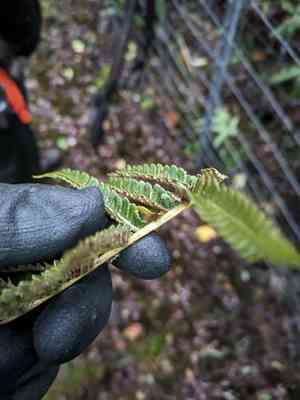
Hapu'u, a remarkable fern featuring fronds capable of attaining considerable sizes, needs very little trimming. The best periods for pruning are late winter or early spring, coinciding with its developmental phase. Eliminate any deceased or injured fronds to foster more robust growth and improve its appearance. Trimming stimulates the emergence of new fronds and deters illnesses. Always employ sanitized, sharp implements and refrain from over-pruning to safeguard the plant's inherent grace and structural soundness.
What Are the Benefits of Pruning Hapu'u?
What Are the Benefits of Pruning Hapu'u?
Trimming hapu'u encourages vigorous development and maintains its form, fostering robust growth and an attractive appearance. Regular cutting also helps prevent pest and disease outbreaks, ensuring the plant stays strong and flourishing.
What Is the Best Time for Pruning Hapu'u?
What Is the Best Time for Pruning Hapu'u?
Pruning hapu'u in late winter or early spring is optimal as it aligns with the plant's dormant period, reducing stress and enabling strong new growth once the active season begins. During this time, sap flow is minimal, lessening the chance of sap loss and pest infestation through pruning wounds. Furthermore, pruning in late winter or early spring ensures the plant's energy is directed towards healthy new growth, supporting its overall well-being and vitality.
What Tools Do I Need to Prune Hapu'u?
Bypass Pruners
Perfect for cutting through live, healthy fronds. Their scissor-like action provides clean cuts that minimize harm to the plant tissue.
Lopping Shears
Useful for cutting thicker fronds or stems too large for bypass pruners. The long handles offer leverage for easier cutting.
Pruning Saw
Essential for removing larger, older trunks or stems. Its serrated edges ensure a clean cut without tearing plant fibers.
Pole Pruner
Allows gardeners to reach higher fronds without needing ladders, ensuring safety and precision.
How to Prune Hapu'u
Assess
Carefully inspect the plant to identify any diseased or dead leaves that require removal.
Prepare Tools
Use sanitized pruning shears to prevent the spread of illness.
Remove Diseased Leaves
Cut off any leaves showing signs of disease, making sure cuts are several inches below the affected area to eliminate any potentially infected tissue.
Remove Withered Leaves
Trim dried-up leaves close to their base to encourage new growth.
Dispose Properly
Discard the removed leaves away from the plant to prevent any disease spread or pest infestation.
Common Pruning Mistakes with Hapu'u
Over-pruning
Removing too many fronds at once can stress hapu'u, leading to stunted growth or even death. It's crucial to leave enough foliage for photosynthesis.
Improper cutting
Cutting fronds too close to the trunk or not using clean, sharp tools can cause damage and increase the risk of infections and pests.
Ignoring dead material
Failing to remove dead or diseased fronds can harbor pests and diseases that may spread to healthy parts of hapu'u.
Random pruning
Pruning without a plan can result in an uneven appearance and disrupt the plant's natural shape and growth habit.
Common Pruning Tips for Hapu'u
Start with clean tools
Always use clean, sharp pruning shears to make precise cuts and reduce the risk of infection.
Focus on dead fronds
Prioritize removing dead or damaged fronds first to ensure the plant's energy is directed towards healthy growth.
Thin selectively
When thinning, choose fronds that are growing inward or crossing others. This encourages better air circulation and light penetration, boosting overall plant health.
Make clean cuts
Cut fronds at their base, close to where they emerge but not too close to avoid damaging the main trunk or crown of hapu'u.
Prune in moderation
Only remove a small percentage of fronds at any one time to minimize stress on the plant. This gradual approach supports the plant's recovery and continued growth.



