How to Transplant Northern golden saxifrage?
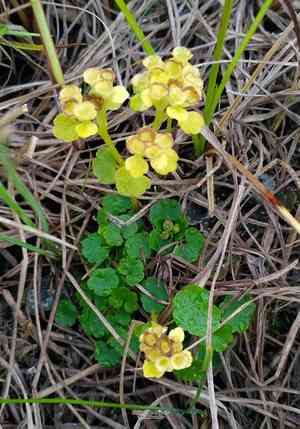
Northern golden saxifrage thrives when moved between early and late spring, as this period offers ideal circumstances for root development. Provide a shaded, damp spot for superior outcomes. Replant if required, exercising care to encourage successful acclimation.
What Preparations are Needed Before Transplanting Northern Golden Saxifrage?
What is the Ideal Time for Transplanting Northern Golden Saxifrage?
Northern golden saxifrage, a perennial plant, is best moved from early to late spring, when the ground thaws and temperatures are mild. This period allows northern golden saxifrage to establish roots before summer's heat. Transplanting at this time encourages strong growth and reduces shock, ensuring the plant's healthy development.
How Much Space Should You Leave Between Northern Golden Saxifrage Plants?
For northern golden saxifrage, position transplants 12-18 inches (30-45 cm) apart. This provides ample room for growth and promotes good air circulation, lowering disease risk.
What is the Best Soil Mix for Northern Golden Saxifrage Transplanting?
Prepare soil that is rich, drains well, and is slightly acidic to neutral (pH 6.0-7.0). Incorporate organic compost to boost fertility. Use a balanced, slow-release fertilizer to supply essential nutrients during initial growth.
Where Should You Relocate Your Northern Golden Saxifrage?
Select a spot with partial to full shade, as northern golden saxifrage thrives in damp, shaded environments. Avoid direct, intense sunlight, which can harm the plant.
What Equipments Should You Prepare Before Transplantation Northern Golden Saxifrage?
Gardening Gloves
To safeguard your hands while handling soil and the plant.
Shovel or Spade
To excavate the plant and its root ball from its original spot and prepare the new planting hole.
Watering Can or Hose
To hydrate the plant before and after moving it to keep the soil moist.
Trowel
For more precise digging and ensuring the new hole fits the root ball's size.
Garden Fork
To loosen the soil around the plant prior to removal.
Bucket or Plant Tray
To temporarily hold the plant during the relocation process.
How Do You Remove Northern Golden Saxifrage from the Soil?
How Do You Remove Northern Golden Saxifrage from the Soil?
From Ground: First, water the northern golden saxifrage plant to moisten the soil. Then, dig a wide trench around the plant using a shovel or spade, ensuring the plant's root ball remains intact. Carefully work the spade beneath the root ball to lift the plant from its original location.From Pot: Water the plant thoroughly to minimize root disturbance. Gently tilt the pot sideways and tap the bottom to release the plant. Carefully slide the plant out while supporting the root ball.From Seedling Tray: Water the seedlings to facilitate removal. Use a trowel or your fingers to carefully lift each seedling by the leaves, taking care not to damage the roots.
Step-by-Step Guide for Transplanting Northern Golden Saxifrage
Site Preparation
Identify and prepare the new spot for your northern golden saxifrage plant. Ensure the site is ready before removal by digging a hole that matches the root ball's size.
Transplant Timing
Choose a cool, cloudy day or late afternoon for transplanting to lessen plant stress caused by heat.
Hole Preparation
Dig a hole in the new location. Ensure the hole is wide and deep enough to comfortably accommodate the plant's root ball.
Transplanting Process
Gently place the northern golden saxifrage plant into the hole. Ensure that the top of the root ball is level with the soil surface. Fill in the hole with soil, pressing down lightly to eliminate air pockets.
Watering
Water the plant generously immediately after transplanting to help the soil settle around the roots.
How Do You Care For Northern Golden Saxifrage After Transplanting?
Watering
Keep the soil around the northern golden saxifrage consistently moist, but not waterlogged, for the first few weeks after transplanting to help establish strong roots.
Mulching
Apply a layer of mulch around the plant's base. This helps retain moisture and regulate soil temperature.
Monitoring
Observe the plant closely for the initial few weeks. Watch for any signs of stress or transplant shock, such as wilting leaves, and address them promptly.
Protection
If needed, shield the transplanted plant from strong winds or direct, harsh sunlight using temporary shades or windbreaks.
Troubleshooting Common Issues with Northern Golden Saxifrage Transplantation.
When is the best time to transplant northern golden saxifrage?
The ideal period to transplant northern golden saxifrage is from early to late spring for optimal results.
How should I space northern golden saxifrage during transplanting?
Space northern golden saxifrage plants 12-18 inches (30-45 cm) apart to ensure healthy growth and air circulation.
What soil conditions are ideal for northern golden saxifrage?
Select rich, moist soil with good drainage for transplanting northern golden saxifrage to ensure healthy development.
How do I avoid transplant shock for northern golden saxifrage?
Water northern golden saxifrage thoroughly before and after transplanting to minimize the risk of transplant shock.
What kind of light does northern golden saxifrage require?
Northern golden saxifrage thrives best in partial to full shade; avoid direct sunlight to prevent scorching.
Should I fertilize northern golden saxifrage during transplanting?
Incorporate well-rotted compost into the planting area to provide nutrients without over-fertilizing northern golden saxifrage.
How deep should I plant northern golden saxifrage?
Plant northern golden saxifrage at the same depth it was growing previously to prevent root stress.
What should I do if northern golden saxifrage leaves start wilting?
Ensure consistent moisture levels and provide shade to help northern golden saxifrage recover from transplant stress.
How can I maintain soil moisture for northern golden saxifrage after transplanting?
Apply a mulch layer around northern golden saxifrage to retain moisture and regulate soil temperature.
Can I transplant northern golden saxifrage in fall?
It's best to transplant northern golden saxifrage in spring, but mild fall conditions can work if necessary.



