How to Propagate Northern golden saxifrage?
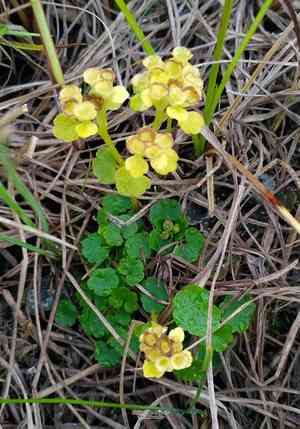
Chrysosplenium alternifolium flourishes optimally in damp, shaded habitats, frequently encountered in marshlands and beside waterways. When planting seeds of Chrysosplenium alternifolium, ensure the soil is well-draining yet consistently hydrated. These seeds necessitate stratification, replicating chilly and humid circumstances for effective sprouting. Lightly press the seeds onto the soil's surface, refraining from deep burial. Employ a delicate spray to preserve moisture and prevent excessive saturation. With perseverance, you will observe tender sprouts appearing, enhancing your lush garden.
Optimal Time for Northern Golden Saxifrage Propagation
Propagation Type
Sowing
Propagation Season
Spring
Tools Required for Northern Golden Saxifrage Propagation
Seed Tray
A seed tray is vital for germinating northern golden saxifrage seeds in a controlled setting. It allows for organized planting, correct spacing, and easier monitoring of germination and growth, ensuring uniform seedling development.
Fine Seed Compost
Fine seed compost offers an ideal growing medium for northern golden saxifrage, providing the right balance of drainage and moisture retention. This compost type encourages healthy root growth and prevents seed decay.
Top Cover (Dome or Plastic Wrap)
A top cover, such as a dome or plastic wrap, helps maintain high humidity and stable temperatures, which are crucial for successful northern golden saxifrage seed germination. It creates a mini-greenhouse effect, protecting seedlings from environmental stress.
Heat Mat
A heat mat placed beneath the seed tray provides consistent warmth from below, which aids in accelerating the germination process of northern golden saxifrage seeds, especially in cooler climates or when sowing early in spring.
Mist Sprayer
A mist sprayer is used to gently water northern golden saxifrage seeds without dislodging them or compacting the soil. It delivers the necessary moisture for germination without saturating the growing medium.
Plant Labels & Marker
Labeling each seed tray with plant names and sowing dates using plant labels and a marker is essential for tracking northern golden saxifrage propagation. It ensures correct identification and monitoring throughout the growth stages.
Tweezers or Seed Sowing Tool
Tweezers or a specialized seed sowing tool assist in handling and precisely placing the small seeds of northern golden saxifrage in the seed tray. This accuracy helps achieve the correct sowing depth and spacing, improving germination rates.
Sterile Scissors or Pruners
Sterile scissors or pruners are necessary for thinning seedlings and transplanting them. Sterilization prevents disease spread and ensures the health of propagated northern golden saxifrage.
How to Propagate Northern Golden Saxifrage?
Propagation Type
Easy
Caring for Your Newly Propagated Northern Golden Saxifrage
Caring for Your Newly Propagated Northern Saxifrage
Following germination, transfer seedlings to individual pots or a suitable garden spot if needed. Northern golden saxifrage thrives in damp, shaded areas, such as stream banks or woodland gardens. Ensure the soil stays consistently moist but not waterlogged. Mulching can help retain soil moisture. Shield young plants from harsh, direct sunlight and provide ample water during dry spells to support their development.
Common Errors to Avoid When Propagating Northern Golden Saxifrage
Overwatering
Excessive moisture can lead to root rot, fungal infections, and other diseases that can impede plant growth or cause its demise.
Improper Soil Mix
Using soil that is too dense or lacking in nutrients can hinder root development and nutrient absorption, resulting in weak or unhealthy plants.
Insufficient Light
Not providing adequate indirect light can slow down the growth process and may lead to leggy or elongated stems as the plant stretches for light.
Incorrect Cutting Technique
Damaging the stem or using dull tools for cuttings can reduce the likelihood of successful root development.
Tips For Propagating Northern Golden Saxifrage
Proper Drainage
Ensure the propagation medium allows for adequate drainage to prevent waterlogging and root decay.
Suitable Soil Mix
Utilize a light, well-aerated soil mix rich in organic matter to provide both nutrients and proper support for new roots.
Indirect Light
Provide bright, indirect light to ensure healthy growth and avoid direct sun exposure that could scorch tender new growth.
Sterile Tools
Always use clean, sharp tools for taking cuttings to prevent potential infections. This promotes healthier cuttings and more successful propagation.



