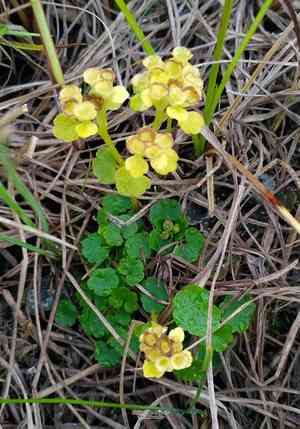
Northern golden saxifrage (Chrysosplenium tetrandrum)
Also known as: None
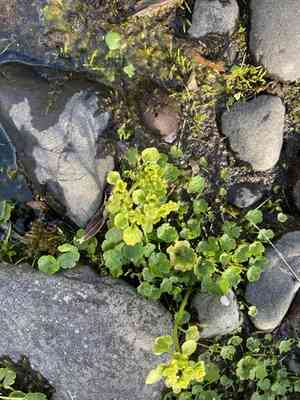
Northern golden saxifrage (Chrysosplenium alternifolium) is well-suited to moist, shaded environments like wet woodlands and along stream banks. This low-growing plant is recognized by its dense, mat-forming growth and rounded, toothed leaves that sometimes have a reddish tint. In the spring, it produces clusters of small, yellowish-green flowers, notable for their four stamens, which help in identifying this resilient species.
In This Article
Attributes of Northern golden saxifrage
Lifespan
Perennial
Plant Type
Herb
Plant Height
5-20 cm
Spread
Not applicable
Leaf Color
Green
Flower Size
Less than 1 cm
Flower Color
Greenish-yellow
Images of Northern golden saxifrage
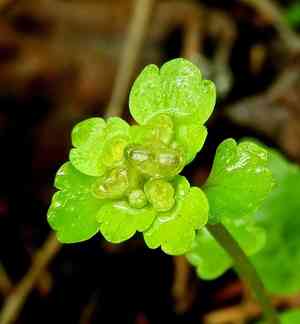
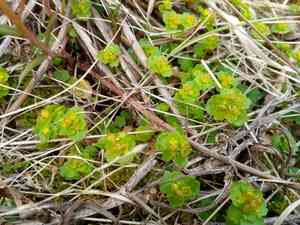
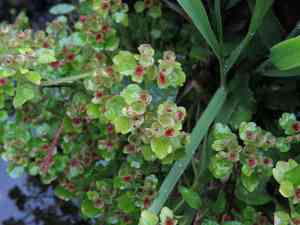
Quickly Identify Northern golden saxifrage
1
This plant can be identified by its small greenish-yellow flowers and opposite, rounded leaves that are deeply lobed. It typically grows in wet, shady areas.
Scientific Classification of Northern golden saxifrage
Phylum
Vascular plants
Class
Dicotyledons
Order
Saxifragales
Family
Saxifrage
Genus
Golden saxifrages
Species
Northern golden saxifrage
Planting and Growing of Northern golden saxifrage
Care Difficulty
Moderate
Watering Schedule
Every 3 days
Sunlight Requirements
Partial sun
Sunshine Duration
6-10 hours
Ideal Temperature
50-68℉
Soil Type
Potting Mix, Peat Mix
Soil pH
6.5-7.5
Fertilizer Type
Balanced
Pruning Season
Spring, Summer
Pruning Area
Branches, Leaves
Pruning Frequency
2 times a year
Repotting Season
Spring
Pot Type
Plastic, Ceramic
 How to Water Northern golden saxifrage?
Chrysosplenium tetrandrum requires moderate watering, and it's essential to ensure the soil remains moist without being waterlogged. Water about 100 ml at a time to achieve a balance between moisture and dryness. Always make sure there’s proper drainage to avoid water accumulation.
What are the symptoms of an underwatered Northern golden saxifrage?
›
What should I do if my Northern golden saxifrage is not getting enough water?
›
What are the symptoms of an overwatered Northern golden saxifrage?
›
How to save an overwatered Northern golden saxifrage?
›
 What Are the Sunlight Requirements for Northern golden saxifrage?
The ideal light range for Chrysosplenium tetrandrum is partial sun to full shade. This balance promotes lush foliage and adequate energy capture while preventing heat or light stress, supporting robust and healthy growth.
Best Natural Lighting
›
Artificial Lighting Adaptation
›
Seasonal Adjustment
›
 What Is the Ideal Temperature Range for Northern golden saxifrage?
Chrysosplenium tetrandrum thrives best in moderate climates. The ideal temperature range for its growth is between 50°F to 68°F. This range replicates the natural habitat conditions that the plant evolved in, ensuring optimal photosynthesis and metabolic processes. Maintaining this temperature window helps the plant to flourish by maximizing energy efficiency and minimizing stress.
 What Soil is Best for Northern golden saxifrage?
Chrysosplenium tetrandrum thrives in soil that ensures efficient drainage. This prevents waterlogging, providing an ideal environment for roots to absorb nutrients and air, crucial for the plant's health and growth. This plant requires soil that can maintain moderate moisture without drying out completely. Consistent moisture levels help sustain healthy growth, as it simulates the plant’s natural habitat conditions. Soil rich in organic matter supports the plant by offering abundant nutrients, enhancing soil structure, and hosting beneficial microorganisms that enhance its growth and resilience.
 How to Fertilize Northern golden saxifrage?
Chrysosplenium tetrandrum requires a modest amount of fertilizer. A diluted liquid fertilizer should be mixed at half the recommended strength. Use 5 to 10 milliliters of liquid fertilizer per liter of water to avoid over-fertilization.
 How to Prune Northern golden saxifrage?
Start by gathering your tools, including a pair of sharp scissors or pruning shears and a pair of gloves for protection. Clean tools prevent disease transmission, so sterilize them with rubbing alcohol before use. Examine the plant for any dead or discolored stems and foliage. Remove these parts by cutting them back to healthy tissue as they can inhibit the plant’s growth and harbor pests. To maintain an appealing appearance, prune the plant to encourage a bushier growth form. Trim back stems that extend beyond the desired shape. This not only keeps the plant tidy but also allows for ample sunlight penetration, reducing the risk of fungal infections.
More About Pruning Techniques→
 How to Propagate Northern golden saxifrage plant?
1
Choose a robust and healthy Chrysosplenium tetrandrum plant free from diseases or pests. This increases the chances of successful propagation by ensuring the divisions or seeds collected are in optimal condition.
2
Carefully dig around the plant, lift it from the soil, and separate it into sections, ensuring each part has its roots intact. This step is crucial for ensuring each division can sustain and develop independently.
3
Select a suitable site with the right soil conditions and partial shade, mimicking the plant’s natural habitat. This ensures that the new divisions or seedlings establish themselves quickly and thrive.
 How to Repot Northern golden saxifrage plant?
1
Look for signs like root-bound appearance, where roots are emerging from the drainage holes, or water no longer retaining well. These conditions indicate it's time for a repot to ensure optimal plant health.
2
Select a pot that is only slightly larger than the current one, ideally 1-2 inches wider in diameter. A pot too large can retain excess moisture, leading to root rot, while one too small causes root congestion.
3
Opt for well-draining, sandy loam with good aeration to allow the roots easy access to oxygen and prevent waterlogging. This kind of soil provides essential nutrients and a stable environment for root growth.



