How to Transplant Maryland Golden Aster?
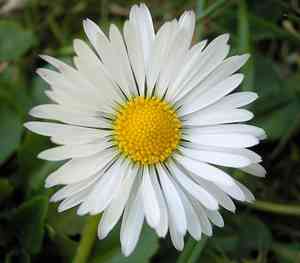
The optimal period for transplanting maryland Golden Aster is at the onset of spring, enabling them to settle into the cooler, damp earth. Select locations that receive ample sunlight and possess good drainage. Carefully acclimate maryland Golden Aster to its new environment for superior outcomes.
What Preparations are Needed Before Transplanting Maryland Golden Aster?
What is the Ideal Time for Transplanting Maryland Golden Aster?
The optimal period for relocating maryland Golden Aster is the revitalizing phase of early to mid-spring. This timing encourages strong root development prior to the warmth of summer. Moving maryland Golden Aster then capitalizes on its natural growth cycle, providing a head start in the cooler, rain-enriched season, ensuring robust, flourishing plants. A friendly tip: your maryland Golden Aster will appreciate the springtime relocation with vigorous growth and abundant blooms!
How Much Space Should You Leave Between Maryland Golden Aster Plants?
Welcome to the world of gardening! When moving your maryland Golden Aster, ensure plants are spaced approximately 1-2 feet (30-60 cm) apart. This provides each plant ample room to expand and absorb nutrients from the soil.
What is the Best Soil Mix for Maryland Golden Aster Transplanting?
To ensure your maryland Golden Aster thrives, it's best to utilize well-draining soil. Incorporate some foundational fertilizer like compost or aged manure to maintain soil fertility and nourishment. This is a simple and organic method to aid your plants' growth.
Where Should You Relocate Your Maryland Golden Aster?
Selecting the perfect spot is crucial! Maryland Golden Aster thrives in sun, so place it in an area where it receives ample light. Partial shade is acceptable, but remember more sunlight equates to more blooms. Enjoy your gardening journey!
What Equipments Should You Prepare Before Transplantation Maryland Golden Aster?
Gardening Gloves
To protect your hands while working with soil and the plant.
Shovel or Spade
To gently excavate the plant from its original spot, ensuring the root ball remains intact.
Garden Trowel
For creating planting holes and handling smaller plants with greater care.
Garden Fork
Useful for loosening the soil surrounding the plant.
Watering Can
To keep the plant hydrated both before and after relocation.
Transplanting Trowel
This tool, featuring depth markers, will assist in digging to the precise required depth.
Pruning Scissors
For removing dead or excessive branches or leaves that might impede the plant's growth post-transplant.
How Do You Remove Maryland Golden Aster from the Soil?
How Do You Remove Maryland Golden Aster from the Soil?
From Ground: First, moisten the soil around the maryland Golden Aster plant by watering it. This reduces stress on the plant during the uprooting process. Next, use a garden fork to gently loosen the soil around the plant. Then, with a shovel or spade, carve a wide circle around the plant, being careful not to damage the root ball. Afterward, carefully work the spade beneath the root ball and gently lift the plant from the ground.From Pot: First, adequately water the maryland Golden Aster plant. Turn the pot on its side, hold the plant by its base, and gently tap the root ball against the pot's rim to separate them. If the plant doesn't slide out easily, rotate the pot and try again.From Seedling Tray: Begin by watering the maryland Golden Aster seedlings. Then, carefully hold the seedling by its leaves (not the delicate stems) and push up from the bottom of the tray to gently remove them. If they resist removal, use a transplanting trowel or similar tool to ease them out of the tray without causing damage.
Step-by-Step Guide for Transplanting Maryland Golden Aster
Preparation
Before beginning the transplant, thoroughly water the maryland Golden Aster plant several hours beforehand. This will help the root ball stay together and lessen transplant shock. Also, prepare the new site by digging a hole approximately twice the size of the root ball, with a depth that allows the plant to sit at its original growing level.
Plant Removal
Follow the plant removal instructions based on the plant's initial location and gently extract the plant, ensuring minimal root damage.
Planting
Position the maryland Golden Aster plant in the center of the hole. Backfill the hole with the excavated soil, gently pressing down to eliminate air pockets. Ensure the top of the root ball is level with the surrounding soil.
Watering
Immediately after transplanting, thoroughly water the maryland Golden Aster plant. This helps settle the soil around the roots and initiates the rehydration process for the plant, which is vital for recovery from transplant shock.
How Do You Care For Maryland Golden Aster After Transplanting?
Watering
Following the transplant, the maryland Golden Aster plant's water requirements will generally increase. Ensure the plant receives sufficient water, but avoid overwatering, which could lead to root rot.
Checking soil drainage
Poor drainage can suffocate roots, so assess drainage by digging a hole, filling it with water, and waiting for it to drain. Repeat this, and if the second hole drains in under four hours, your location should have adequate drainage.
Pruning
As the maryland Golden Aster plant adapts to its new environment, some leaves may wilt or begin to brown. Trim these parts away to prevent them from diverting energy from healthy growth.
Monitoring
Closely observe the maryland Golden Aster plant, specifically looking for indications of disease or pest infestation. Early detection of these issues allows for prompt treatment.
Troubleshooting Common Issues with Maryland Golden Aster Transplantation.
When is the best time to transplant maryland Golden Aster?
Relocate maryland Golden Aster during its first or second year of life. This aligns with its optimal growth cycle and ensures successful establishment in its new home.
What's the perfect distance to keep between each maryland Golden Aster while transplanting?
Space maryland Golden Aster approximately 1-2 feet (30-60 cm) apart. This provides ample room for growth, air circulation, and minimizes the risk of disease spread.
How deep should the planting holes be for maryland Golden Aster?
Ideally, your hole should be deep enough to comfortably accommodate the root ball of maryland Golden Aster. A hole roughly twice as wide and as deep as the roots works best.
How can I ensure maryland Golden Aster gets the right amount of sunlight after transplant?
Maryland Golden Aster prefers full to partial sun. Plant it in a location where it will receive at least 3-6 hours of direct sunlight daily to thrive.
What soil conditions does maryland Golden Aster prefer for growth after transplanting?
Maryland Golden Aster prefers well-draining soil with a slightly acidic pH balance. Rich, organic soil best supports its growth after transplanting.
Does maryland Golden Aster require any special preparation before transplanting?
Aside from ensuring the plant is healthy and the root ball is intact, the transplant process for maryland Golden Aster requires no special preparation.
How do I water maryland Golden Aster after transplanting?
Water maryland Golden Aster generously immediately after transplanting. Then, continue regular watering, being careful not to oversaturate and adjusting based on weather conditions.
Should I fertilize maryland Golden Aster right after transplanting?
It's advisable to wait 2-3 weeks after relocating maryland Golden Aster before applying any fertilizer. This allows the plant time to acclimate to its new environment.
How to handle leaf yellowing in maryland Golden Aster after transplanting?
Yellowing may indicate water stress or nutrient deficiency. Ensure adequate watering and balanced fertilizer. If the problem persists, consider a soil test.
What's the solution if maryland Golden Aster shows slow growth after transplanting?
Maryland Golden Aster might be experiencing transplant shock, which can impede its growth. Maintain a suitable watering routine, ensure proper sunlight, and consider adding compost to enrich the soil.



