How to Propagate Maryland Golden Aster?
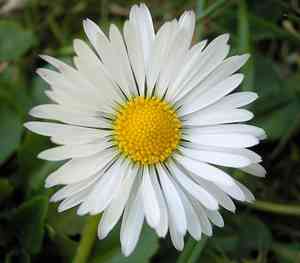
Maryland Golden Aster can be successfully multiplied through the use of stem sections. For optimal outcomes, choose robust, non-blooming stems and execute a precise incision. Submerge the severed tip into rooting compound to stimulate root formation, then place it in a potting blend that drains efficiently. Confirm that the growing medium stays damp, yet not saturated, throughout the rooting phase. This technique is especially advantageous for preserving the genetic integrity of the plant.
Optimal Time for Maryland Golden Aster Propagation
Propagation Method
Cutting
Propagation Period
Spring,Summer
Tools for Maryland Golden Aster Propagation
Sharp Pruning Shears
Crucial for obtaining clean, precise cuttings from maryland Golden Aster. Sharp, sanitized shears help prevent damage and disease spread during the cutting process.
Rooting Hormone
Stimulates root development from maryland Golden Aster cuttings. Applying a small amount of rooting hormone to the cut end enhances establishment and accelerates the rooting process.
Propagation Tray
Used to organize and manage cuttings until roots form. Features like adjustable vents can help regulate humidity, which is vital for the rooting phase of maryland Golden Aster.
Potting Mix
Provides a suitable medium for rooting cuttings, typically well-draining and nutrient-balanced to support initial growth without overwhelming young roots.
Heat Mat
Enhances rooting success by maintaining a consistent and optimal soil temperature, which is particularly beneficial for accelerating the root development rate of maryland Golden Aster during cooler months.
How to Propagate Maryland Golden Aster?
Propagation Type
Easy
Caring for Your Newly Propagated Maryland Golden Aster
Caring for Your Newly Propagated Maryland Golden Aster?
Once maryland Golden Aster cuttings have developed roots, typically after several weeks, gradually introduce them to normal conditions. Start by removing any covers used for humidity retention. The soil should be kept consistently moist but not waterlogged to prevent root rot. Once established, maryland Golden Aster thrives in full to partial sunlight and can tolerate dry conditions. Regular watering during extended dry periods will help maintain its vigor. An annual application of a balanced fertilizer can promote healthy growth and vibrant blooms.
Common Mistakes to Avoid When Propagating Maryland Golden Aster
Overwatering
Excessive watering can lead to root rot, a condition harmful to maryland Golden Aster, hindering root development which is essential for successful propagation.
Deep planting
Planting maryland Golden Aster stem cuttings or seeds too deeply can impede their ability to sprout by restricting necessary air circulation around developing shoots and roots.
Ignoring plant size
Using overly large cuttings or a high volume of seeds in a small area can hinder growth due to limited resources and space, impacting the overall health of maryland Golden Aster.
Tips For Propagating Maryland Golden Aster
Soil preparation
Preparing well-draining soil enriched with organic matter helps create the ideal environment for maryland Golden Aster's roots to grow without becoming waterlogged, promoting healthier propagation.
Cutting size
Using cuttings that are about 4-6 inches long with several leaves allows maryland Golden Aster to have sufficient energy reserves to develop roots and adapt to new soil conditions effectively.
Moderate watering
Maintaining a balance in watering ensures that the soil is moist but not soggy, supporting the delicate early stages of root growth in maryland Golden Aster without causing water stagnation.



