How to Prune Maryland Golden Aster?
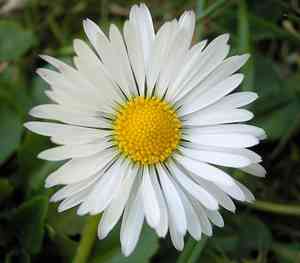
This enduring herbaceous plant is recognized for its vibrant yellow blossoms and flourishes in exposed, sandy environments. The most effective pruning strategy for maryland Golden Aster entails removing faded flowers to stimulate additional blooming and cutting back in late autumn subsequent to the flowering period. Periodic trimming in spring can additionally foster denser foliage and a greater abundance of flowers. Pruning not only preserves a neat form but also hinders self-propagation and promotes a robust, thriving specimen. For optimal outcomes, prune in spring, summer, or autumn.
Advantages of Trimming Maryland Golden Aster
Advantages of Trimming Maryland Golden Aster
Trimming maryland Golden Aster promotes more vivid blooms, stimulates its development, and helps maintain a compact, attractive shape. It's vital for directing energy into flower production and sustaining plant vitality.
Optimal Time for Trimming Maryland Golden Aster
Optimal Time for Trimming Maryland Golden Aster
Trimming maryland Golden Aster in late Spring is perfect as it allows for the removal of any winter-damaged foliage without impacting the new growth cycle. Early Summer trimming is beneficial as it encourages denser growth and prepares the plant for abundant flowering in late summer and fall. Trimming in the Fall should occur after flowering has ceased, enabling maryland Golden Aster to conserve energy for the dormant winter period while maintaining form and preventing disease spread.
Tools Required for Trimming Maryland Golden Aster
Bypass Pruners
Excellent for making clean cuts on maryland Golden Aster's stems without crushing plant tissue, which is crucial for fostering healthy regrowth.
Pruning Shears
Ideal for shaping and removing dead or diseased foliage, which helps preserve the aesthetic appeal and health of maryland Golden Aster.
Gloves
Hand protection for the gardener is essential when trimming maryland Golden Aster as it prevents potential skin irritation from plant sap or cuts.
Loppers
Suitable for cutting thicker stems or branches that bypass pruners may not manage, ensuring a precise cut without harming maryland Golden Aster.
Garden Scissors
Useful for snipping delicate flowers or for deadheading maryland Golden Aster to encourage further blooming.
How to Trim Maryland Golden Aster
Deadleaves
Identify and remove any diseased or withered leaves from maryland Golden Aster to prevent disease spread and encourage healthy growth. Use clean, sharp pruning shears, making cuts close to the base of affected leaves.
WitheredFlowers
Deadhead spent blooms on maryland Golden Aster by cutting the withered flowers back to just above the first set of healthy leaves. This encourages the plant to produce more blooms and prevents self-sowing if not desired.
Shape
Shape maryland Golden Aster by cutting back overgrown or leggy stems. Target only the parts contributing to an uneven shape. Make cuts at a 45-degree angle just above a leaf node to promote new growth.
Thinning
Thin out dense areas of maryland Golden Aster to improve air circulation. Remove some stems completely at their base to open up the plant's structure without altering its natural shape.
Cleanup
Clear away all removed material from around the base of maryland Golden Aster to ensure a tidy area and reduce the risk of pests and disease. Properly dispose of or compost the trimmings.
Common Trimming Errors with Maryland Golden Aster
Over pruning
Cutting back maryland Golden Aster too aggressively can shock the plant, leading to stunted growth or reduced flowering. It's crucial to prune no more than one-third of the plant at a time.
Improper cut locations
Making cuts in the wrong location, such as above leaf nodes or too far from the base, can hinder the natural shape of maryland Golden Aster and invite disease.
Using dull tools
Trimming with dull or unclean tools can damage the stems of maryland Golden Aster, leading to jagged cuts susceptible to pests and diseases.
Neglecting damaged limb removal
Failing to remove damaged or diseased limbs can allow the issues to spread throughout maryland Golden Aster, impacting its overall health.
General Trimming Advice for Maryland Golden Aster
Selective pruning
Target only the older, woody stems for removal, which encourages new growth and revitalizes maryland Golden Aster.
Post bloom trimming
After maryland Golden Aster finishes blooming, trim off spent flowers to promote a second wave of blossoms and prevent unwanted self-seeding.
Cleaning tools
Disinfect trimming tools before and after use on maryland Golden Aster to prevent the spread of disease.
Natural shape
Trim maryland Golden Aster with its natural shape in mind, maintaining an even, rounded form to enhance its appearance and growth pattern.



