How to Transplant One-awn spineflower?
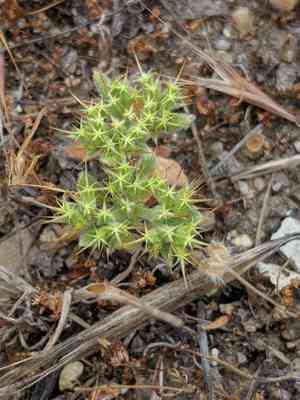
One-awn spineflower flourishes when relocated between early and late spring, benefiting from the moderate climate. Providing a bright spot with permeable soil boosts its development. Minimizing root disturbance aids in its rapid establishment and vigorous growth.
What Preparations are Needed Before Transplanting One-awn Spineflower?
What is the Ideal Time for Transplanting One-awn Spineflower?
The best period for relocating one-awn spineflower spans from early spring's start to late spring's conclusion. Moving them during this timeframe guarantees prime soil moisture and warmth for development. Furthermore, this timing maximizes nutrient absorption, promoting robust establishment and growth.
How Much Space Should You Leave Between One-awn Spineflower Plants?
Position one-awn spineflower plants approximately 12-18 inches (30-45 cm) apart. This ensures ample room for growth and sufficient nutrient access without overcrowding.
What is the Best Soil Mix for One-awn Spineflower Transplanting?
Prepare well-draining soil by incorporating organic compost and a balanced base fertilizer. This enhances soil structure and supplies vital nutrients for one-awn spineflower to thrive.
Where Should You Relocate Your One-awn Spineflower?
Select a sunny spot for transplanting one-awn spineflower. This annual plant flourishes best in areas receiving full sunlight for at least 6-8 hours daily.
What Equipments Should You Prepare Before Transplantation One-awn Spineflower?
Gardening Gloves
To safeguard your hands while handling soil and plants.
Small Trowel
For excavating around the plant and loosening the earth.
Watering Can
To dampen the soil before and after relocation.
Shovel
For digging a new planting site.
Organic Mulch
To aid in retaining soil moisture post-transplant.
Rooting Hormone (optional)
To stimulate root development and lessen transplant shock.
How Do You Remove One-awn Spineflower from the Soil?
How Do You Remove One-awn Spineflower from the Soil?
From Ground: First, hydrate the one-awn spineflower plant to moisten the soil. Next, excavate a wide trench around the plant using a shovel or spade, ensuring the plant's root ball remains intact. Carefully maneuver the spade beneath the root ball to lift the plant from its original spot.From Pot: Water the one-awn spineflower plant a few hours prior to removal. Gently invert the pot, supporting the plant's base. Tap the pot's bottom to release the plant. If it resists, run a trowel along the inner edge to free the plant.From Seedling Tray: Water the seedlings in the tray. Utilize a small trowel or your fingers to carefully lift each seedling from the tray, taking care to preserve the roots and surrounding soil.
Step-by-Step Guide for Transplanting One-awn Spineflower
Prepare the New Location
Choose a site with appropriate conditions for growing one-awn spineflower. Dig a hole twice as wide and as deep as the plant's root ball.
Amend the Soil
If needed, enrich the soil in the new location to enhance drainage and nutrient content.
Remove the Plant
Carefully extract the one-awn spineflower plant from its initial position, ensuring the root ball stays intact.
Transplant
Position the one-awn spineflower plant in the center of the prepared hole. Make sure the top of the root ball is level with or slightly above the surrounding soil surface.
Backfill Soil
Gently refill the hole with soil, lightly pressing down to eliminate any air pockets. Avoid over-compacting the soil.
Water Thoroughly
Deeply water the newly transplanted one-awn spineflower plant to help the soil settle around the roots.
Apply Mulch
Spread a layer of organic mulch around the plant's base to help retain moisture and regulate soil temperature.
How Do You Care For One-awn Spineflower After Transplanting?
Watering
Keep the soil around the one-awn spineflower consistently damp, but not waterlogged, for the initial weeks post-transplant to aid in developing strong roots.
Monitoring
Regularly inspect the plant for indications of stress, such as wilting or yellowing foliage. Address any issues promptly.
Pruning
Remove any damaged or dead leaves to encourage new growth and lessen stress on the plant.
Protection
If transplanting in warmer weather, consider providing temporary shade to shield the plant from intense sunlight.
Troubleshooting Common Issues with One-awn Spineflower Transplantation.
When is the best time to transplant one-awn spineflower?
Early spring through late spring provides the optimal window for successfully transplanting one-awn spineflower.
How much space should be left between each one-awn spineflower plant?
Allow a spacing of 12-18 inches (30-45 cm) between each one-awn spineflower for healthy development.
How should I prepare the soil for one-awn spineflower transplants?
Ensure the soil is well-draining, with a slightly acidic to neutral pH for one-awn spineflower.
How do you handle one-awn spineflower roots during transplanting?
Gently manage the roots of one-awn spineflower to prevent damage or stress during relocation.
What's the ideal temperature for transplanting one-awn spineflower?
Transplant one-awn spineflower when temperatures consistently range between 50-70°F (10-21°C).
Should I water one-awn spineflower immediately after transplanting?
Yes, thoroughly water one-awn spineflower right after transplanting to help them settle into their new soil.
How do I protect one-awn spineflower from transplant shock?
Provide shade and maintain moist but not saturated soil to alleviate transplant shock for one-awn spineflower.
Are there any companion plants that aid one-awn spineflower growth?
Plant one-awn spineflower near species with similar low water requirements for a harmonious growing environment.
How deep should you plant one-awn spineflower seedlings?
Plant one-awn spineflower seedlings at the same depth they were in their original containers.
When should I fertilize transplanted one-awn spineflower?
Wait a few weeks after transplanting one-awn spineflower before fertilizing, to allow them to acclimate.



