How to Propagate One-awn spineflower?
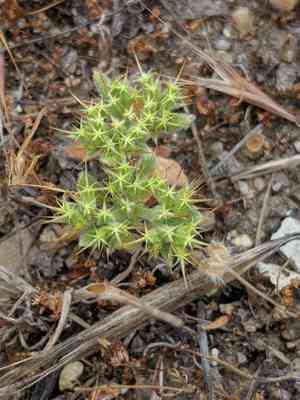
The annual plant known as one-awn spineflower is a diminutive species typically found in environments such as chaparral and coastal sage scrub. To propagate this plant, utilize freshly harvested seeds, planting them in sandy soil that drains effectively. Make sure the seeds are lightly covered and consistently hydrated until they sprout. Given its native surroundings, replicating these circumstances will significantly improve its cultivation. Optimal conditions involve ample sunlight and limited rivalry from neighboring vegetation. Because of its particular habitat requirements, closely observe moisture levels and refrain from excessive watering.
When Is the Optimal Time to Propagate One-awn Spineflower?
Propagation Method
Seeding
Propagation Period
Spring
What Equipment Is Utilized for One-awn Spineflower Propagation?
Seed Trays
These offer a controlled setting for planting seeds, aiding in uniform distribution, proper spacing, and ideal growing conditions for one-awn spineflower. Seed trays are particularly crucial for plants with small seeds to prevent overcrowding and boost germination rates.
Seedling Heat Mat
This device delivers consistent warmth from below, vital for encouraging quicker germination and more robust seedling development. Given one-awn spineflower's preference for specific soil temperature ranges, a heat mat ensures a warm environment conducive to seedling growth.
Fine Soil Mix
Employing a well-draining fine soil blend is essential for one-awn spineflower to prevent waterlogging while maintaining sufficient moisture. This soil type fosters healthy root development and minimizes the risk of fungal infections during the initial stages.
Misting Bottle
A misting bottle enables gentle watering to keep the soil damp without disturbing the planting medium or dislodging seeds. This is critical for one-awn spineflower, as excessive watering or forceful water application can harm the delicate seeds and young plants.
Label Markers
Clearly marking planting trays with waterproof label markers helps track one-awn spineflower throughout the propagation process. Accurate labeling ensures correct identification and monitoring of growth phases and assists in evaluating the success of various sowing techniques.
Grow Lights
Supplementary grow lights can supply the necessary light spectrum for optimal photosynthesis and vigorous seedling growth, especially if natural light is insufficient. For one-awn spineflower, maintaining adequate light exposure is crucial for preventing leggy growth and ensuring strong, healthy plants.
How to Propagate One-awn Spineflower?
Propagation Type
Simple
How to Care for Your Newly Propagated One-awn Spineflower?
How to Care for Your Newly Propagated One-awn Spineflower?
Once the one-awn spineflower seedlings are established, gradually introduce them to full sunlight. Transplant them to their permanent location in well-draining soil, ensuring ample space for their growth. Water the plants regularly, allowing the soil to dry slightly between watering sessions. Monitor for pests and diseases, providing necessary intervention when needed. Applying mulch around the plants can help retain soil moisture and reduce weed competition. Occasional pruning may be necessary to maintain the desired shape and promote healthy growth.
Common Errors to Avoid When Propagating One-awn Spineflower
Overwatering
Excessive moisture can lead to root rot, which is detrimental to one-awn spineflower as it prefers well-drained soil conditions.
Poor Soil Quality
Using nutrient-rich or heavy soils can impede one-awn spineflower's growth. This plant typically thrives in sandy or gritty substrates.
Improper Light Exposure
Not providing adequate sunlight can hinder one-awn spineflower's growth. It needs full sun to properly develop.
Inadequate Spacing
One-awn spineflower needs sufficient space to grow. Crowding can lead to competition for resources and poor air circulation, which might cause disease.
Advice For Propagating One-awn Spineflower
Use Well-Draining Soil
One-awn spineflower thrives in sandy or gritty soil, which mimics its natural habitat and prevents the roots from sitting in water.
Moderate Watering
Keep the soil slightly moist but not waterlogged. Allow the top layer of soil to dry out between waterings.
Provide Full Sun
Ensure one-awn spineflower receives full sunlight to promote healthy growth and flowering.
Proper Spacing
Space the plants adequately to ensure proper air circulation and reduce competition for nutrients and sunlight.



