How to Transplant Turkish rugging?
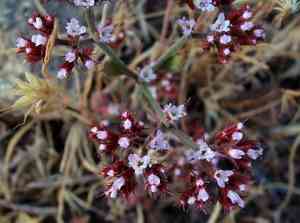
Turkish rugging flourishes when relocated from early spring until its conclusion. It prefers bright areas with soil that drains effectively. Confirm the spot replicates its native light conditions, and irrigate thoughtfully post-transplant for optimal outcomes.
What Preparations are Needed Before Relocating Turkish Rugging?
What is the Ideal Time for Relocating Turkish Rugging?
Turkish rugging should ideally be moved from early to late spring when the ground is warming and moisture is plentiful. This timing ensures robust root development and optimal growth as temperatures rise and daylight increases, promoting vibrant blooms and healthy foliage.
How Much Space Should You Leave Between Turkish Rugging Plants?
When relocating turkish rugging, space each plant 6-12 inches (15-30 cm) apart to ensure they have ample room to grow and access nutrients without overcrowding.
What is the Best Soil Mix for Turkish Rugging Relocation?
Prepare well-drained, sandy or loamy soil mixed with a foundational fertilizer that's rich in phosphorus and potassium to support healthy root development for turkish rugging.
Where Should You Relocate Your Turkish Rugging?
Turkish rugging thrives in full sunlight, so select a spot where the plant will receive at least 6-8 hours of direct sun daily to ensure vigorous growth.
What Equipments Should You Prepare Before Relocating Turkish Rugging?
Gardening Gloves
To safeguard your hands while handling soil and plants.
Shovel or Spade
To excavate the hole in the ground and to carefully lift the plant from its initial spot.
Hand Trowel
To assist with more precise digging and adjustments around the plant.
Watering Can or Hose
To supply water to the plant before and after relocation.
Garden Fork
To loosen the soil around the plant, if necessary.
Mulch
To help maintain moisture around the plant after relocation.
How Do You Remove Turkish Rugging from the Soil?
How Do You Remove Turkish Rugging from the Soil?
From Ground: First, hydrate the turkish rugging plant to moisten the soil. Then, dig a wide trench around the plant using a shovel or spade, ensuring the plant's root ball remains intact. Carefully work the spade beneath the root ball to lift the plant from its original location.From Pot: Water the turkish rugging plant thoroughly. Gently tap the sides of the container to loosen the soil. Hold the base of the plant and carefully slide it out of the pot, ensuring the root ball remains intact.From Seedling Tray: Water the turkish rugging seedlings lightly. Use a hand trowel or your fingers to gently scoop under each seedling, lifting it from the tray. Take care to keep the root ball intact.
Step-by-Step Guide for Relocating Turkish Rugging
Preparation
Water the turkish rugging plant in its original container a few hours before relocating. This ensures that the plant is hydrated and the soil is easier to manage.
Hole Digging
Excavate a hole in the new location that is twice as wide and the same depth as the root ball of the turkish rugging plant.
Soil Preparation
Loosen the soil at the bottom of the hole and incorporate some compost to provide nutrients for the turkish rugging plant.
Placing the Plant
Position the turkish rugging plant in the hole, ensuring that the top of the root ball is level with the surrounding ground. Backfill the hole around the plant with soil, gently patting it down to eliminate air pockets.
Watering
Water the plant thoroughly immediately after relocating to help settle the soil around the roots.
Mulching
Apply a layer of mulch around the base of the turkish rugging plant to retain moisture and regulate soil temperature.
How Do You Care For Turkish Rugging After Relocating?
Watering
Keep the soil around the turkish rugging consistently moist, but not waterlogged, for the first few weeks after relocating to help establish strong roots.
Monitoring
Keep an eye on the plant for signs of stress, such as wilting or yellowing leaves. Adjust water and care as needed.
Protection
If hot weather is anticipated, consider using a temporary shade cloth to protect the turkish rugging plant from direct sunlight until it establishes.
Pest Control
Check regularly for pests and take appropriate action if needed, such as using natural insecticidal soap.
Troubleshooting Common Issues with Turkish Rugging Relocation.
When is the best time to relocate turkish rugging?
The ideal time to relocate turkish rugging is from early spring to late spring for optimal growth.
How to prepare the soil before relocating turkish rugging?
Loosen the soil to a depth of 10 inches (25 cm) and mix in compost for nutrients.
What spacing should be maintained for turkish rugging when relocating?
Plant turkish rugging seedlings 6-12 inches (15-30 cm) apart to allow for proper growth and airflow.
How to handle turkish rugging seedlings carefully during relocation?
Use a small trowel to gently lift the seedlings, keeping the roots intact as much as possible.
What to do if turkish rugging seedlings wilt after relocating?
Water the seedlings well and provide temporary shade to reduce relocation shock and support recovery.
Why are the leaves of relocated turkish rugging turning yellow?
Yellowing leaves may indicate overwatering. Ensure the soil is well-draining and water moderately.
What type of fertilizer is suitable for newly relocated turkish rugging?
Use a balanced fertilizer, such as a 10-10-10 formula, to provide essential nutrients for growth.
How to protect turkish rugging from pests after relocating?
Monitor the plants regularly and use organic insecticides or natural predators to control any pest issues.
Is mulching necessary for relocated turkish rugging?
Mulching helps retain soil moisture and regulate temperature. Use a light layer of organic mulch around the base.
How often should I water turkish rugging after relocating?
Water turkish rugging deeply once a week, or when the top inch (2.5 cm) of soil feels dry.



