How to Propagate Turkish rugging?
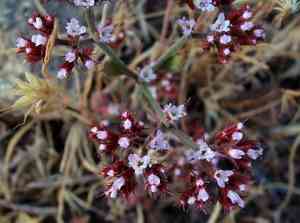
Turkish rugging flourishes when reproduced via seeding, a method that closely mirrors its inherent renewal mechanisms. To achieve successful propagation, utilize a growing medium with good drainage and sustain steady dampness without oversaturation. Direct seeding in the desired cultivation spot is advisable to circumvent the difficulties associated with transplant trauma. Confirm that seeds are planted superficially, as they necessitate sufficient illumination for peak sprouting.
Optimal Period for Turkish Rugging Propagation
Propagation Method
Seeding
Propagation Period
Spring
Essential Tools for Turkish Rugging Propagation
Seed trays
Seed trays are vital for starting seeds, offering a controlled setting crucial for turkish rugging germination. Their shallow design and compartments ensure each seed has ample room to grow without competition, fostering stronger seedlings.
Fine-grained seed starting mix
A fine-grained seed starting mix aids in maintaining the delicate moisture and air balance required for the tiny turkish rugging seeds to sprout effectively. This mix minimizes seed rot risk and encourages quicker root development due to its fine texture, which allows roots to penetrate easily.
Misting bottle
A misting bottle is indispensable for gently watering turkish rugging seeds. It delivers a soft spray that moistens the soil without disturbing the seeds, which is vital for their successful establishment and growth.
Heat mat
A heat mat boosts germination rates by keeping the soil at a consistent temperature, a key factor for turkish rugging germination. The steady warmth provided by a heat mat promotes faster and more uniform sprouting.
Grow lights
Grow lights are beneficial after germination, providing a consistent light source essential for turkish rugging development. Using grow lights helps simulate ideal light conditions, ensuring robust growth and development of the seedlings.
How to Propagate Turkish Rugging?
Propagation Type
Simple
Post-Propagation Care for Turkish Rugging
How to Care for Your Newly Propagated Turkish Rugging?
Following propagation, ensure young turkish rugging plants receive full sun and consistent watering, allowing the soil to dry slightly between waterings. As they mature, apply a balanced liquid fertilizer every four to six weeks during the growing season to support healthy development. Regularly check for pests and diseases, taking necessary action to maintain vigorous plants. Mulching around the base can help retain soil moisture and suppress weeds.
Common Errors to Avoid When Propagating Turkish Rugging
Overwatering
Excessive watering of turkish rugging can lead to root rot, which is detrimental as it hinders proper root development and nutrient uptake, critical for plant growth and propagation.
Using unsterilized tools
Employing unsterilized tools can introduce pathogens to turkish rugging, increasing the likelihood of diseases that can impede propagation success.
Incorrect soil mix
Using an unsuitable soil mix that lacks proper drainage can cause water to accumulate around turkish rugging roots, fostering fungal growth and potentially killing the plant.
Planting depth
Planting turkish rugging cuttings or seeds too deeply can result in reduced or failed germination and rooting, as it may prevent the plant from receiving adequate sunlight and air.
Neglecting early plant care
Failing to provide sufficient care during the initial propagation stages, such as maintaining humidity and temperature, can lead to a lower survival rate for turkish rugging.
Tips For Propagating Turkish Rugging
Use well-draining soil
Utilizing a well-draining soil mix improves aeration and reduces the risk of waterlogging, promoting healthier root development for turkish rugging.
Sterilize tools
Sterilizing propagation tools prior to use helps prevent disease transmission to turkish rugging, ensuring a healthier growth environment.
Appropriate planting depth
Ensuring turkish rugging cuttings or seeds are planted at the correct depth will facilitate optimal exposure to necessary environmental conditions, improving germination and rooting success.
Proper hydration
Maintaining appropriate hydration based on turkish rugging's specific needs supports healthy growth without the risk of root rot associated with overwatering.
Care during early stages
Monitoring and adjusting humidity and temperature during the initial propagation stages are crucial for the survival and healthy development of turkish rugging.



